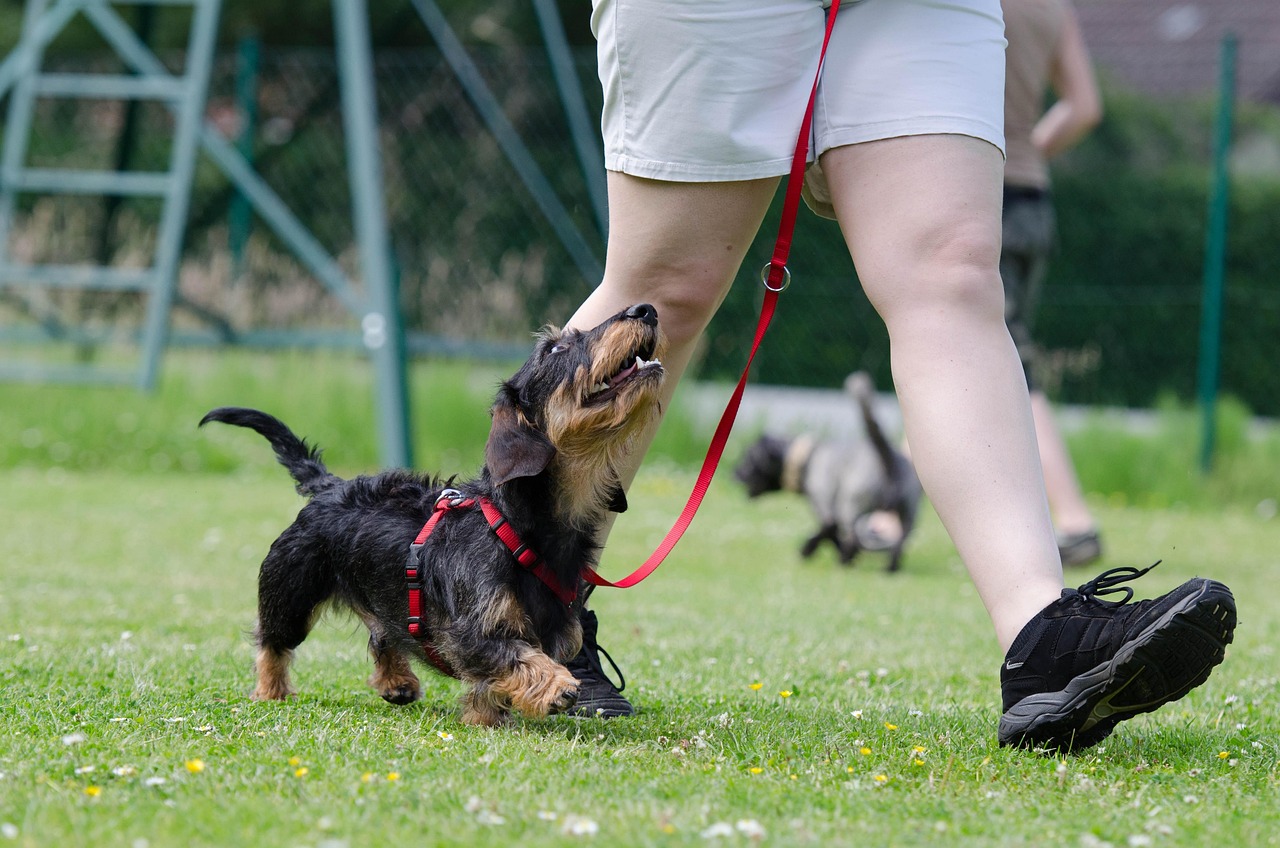

Emerging Technologies in Dog Training Equipment Explored in Journals
Dog training is undergoing significant changes, thanks to emerging technologies that enhance various aspects of training equipment. Journals focusing on dog training are increasingly highlighting innovative tools designed to assist trainers and dog owners in effective education. These devices range from smart collars that provide data on dog behavior to interactive toys that help in obedience training. The introduction of apps alongside hardware allows for real-time tracking of dog’s progress and behavioral modifications. By utilizing technologies such as GPS and movement sensors, trainers can gather vital statistics. This analysis aids in assessing training sessions’ effectiveness, thus paving the way for refining the training process. Furthermore, the integration of artificial intelligence into training devices is becoming prevalent, allowing for personalized training plans tailored to individual dogs. Trainers can establish specific goals and monitor progress, adjusting strategies as needed. This comprehensive approach enables improved outcomes. The practical benefits of these technologies highlighted in journals cannot be ignored. They foster collaboration among trainers, pet owners, and tech developers, creating a community aimed at improving the overall training experience. Bold solutions lie ahead for dog training enthusiasts eager to embrace tech advancements.
According to recent research published in leading dog training journals, technology continues to influence the ways trainers approach behavior modification. Traditional methods have been supplemented and sometimes replaced by tech innovations, such as handheld devices enabling immediate feedback to dogs. These tools can deliver gentle vibrations or sounds that react to specific behaviors, facilitating a less stressful experience for the dogs involved. Increased interest in humane training methods aligns with the development of these technologies, which promote positive reinforcement techniques. Moreover, training journals emphasize the role of virtual training platforms, allowing owners to access expert guidance remotely. This option is especially beneficial in situations where physical training sessions are impractical or impossible. The studies presented outline case examples that demonstrate effectiveness, including data on student performance with various technologies. Not only do participants benefit, but also trainers often report increased satisfaction with their methodologies. There’s a clear indication of a shift toward a more scientific foundation for these educational approaches. As more trainers adopt these methods, there is hope for increased compliance from both dogs and owners alike, ensuring that new technologies not only enhance training but also enrich the bond between them.
Innovative Equipment for Enhanced Training
Emerging technologies are fostering the development of innovative dog training equipment designed for diverse training needs. Many trainers now utilize remote training collars, which help deliver commands from a distance. These collars can emit sounds, vibrations, or even light signals, teaching the dog to respond without immediate proximity to the trainer. Journals evaluate the effectiveness of these collars, focusing on how they contribute to positive learning experiences. Furthermore, interactive feeding devices are gaining traction as they engage dogs in cognitive tasks while promoting positive behaviors. By integrating technology into feeding patterns and routines, owners can help alleviate behavioral issues such as excessive barking or destructive chewing. Smart toys, embedded with sensors, adapt their responses based on the dog’s interactions, creating an individualized training regime. The continual rise in popularity of such devices is reflected in various studies demonstrating successful outcomes in behavior change. Moreover, products featuring audiovisual components add another layer to traditional training, making learning engaging and enjoyable. In this evolving landscape, equipment merges play with education, unlocking new potentials for both trainers and dogs alike, accompanied by data-backed insights that advocate for their use.
As technology integrates further into the canines training ecosystem, journals reveal trends that emphasize the importance of data collection through advanced equipment. Trainers are now harnessing the power of tracking technology to monitor physical activity and behavioral trends over time. Wearable technology such as fitness trackers for dogs provides crucial information regarding activity levels, sleep patterns, and overall well-being. This data aids trainers in customizing their training methods according to each dog’s unique needs. Furthermore, analysis of collected data allows trainers to identify correlations between activity and behavior. For instance, higher levels of exercise may result in reduced anxiety or destructive behaviors, leading to more sustainable training practices. Additionally, by tracking progress over time, owners are empowered to make informed decisions regarding training strategies and routines. Journals encourage the use of data-driven approaches to support behaviors that align with long-term training success. The emerging trend toward personalized data insights signifies a shift from one-size-fits-all methodologies to individualized plans tailored for every dog’s behavior patterns. This adaptation is promising, creating an atmosphere where trainers and dogs can thrive together as partners in the learning journey.
Exploring the Future of Dog Training Technology
With the rapid pace of technological advancement, it is essential for journals to explore the future landscape of dog training technology. Many experts predict that artificial intelligence will become increasingly incorporated into training equipment. Emerging tools might involve virtual pet training assistants that use AI to guide trainers through various techniques based on individual dog responses. These digital assistants may analyze videos, providing feedback on techniques and suggesting improvements, thereby streamlining the training process. Furthermore, the incorporation of virtual reality into the dog training setting has gained attention, offering simulators that train dogs in various real-world environments. Such experiences provide dogs with exposure to diverse stimuli that aid in acclimatization, especially for those requiring assistance in facing anxiety-inducing scenarios. As trainers continue to implement these novel approaches, research findings shared in journals will present methods for evaluating these technologies’ effectiveness. It is clear that as innovation burgeons, both trainers and dogs stand to benefit immensely. The collaboration between traditional training methods and technology will likely yield enriched relationships and successful outcomes in dog companionship.
Another significant development is the focus on sustainability in the dog training equipment market, as highlighted in numerous journals. Environmentally friendly materials are becoming a priority in manufacturing dog training tools, including collars, leashes, and toys. Research indicates that pet owners increasingly seek sustainable products, aligning their values with their purchasing choices. With the rise in awareness of environmental impacts, companies are responding by creating eco-friendly dog training solutions. These products often utilize recycled materials and environmentally safe manufacturing processes. Moreover, this shift also includes innovations in product durability, extending the lifespan of training equipment and minimizing waste. Journals note an increase in consumer education on sustainability practices, resulting in more informed selections when purchasing training equipment. The emerging trend does not only focus on the environment but also incorporates principles of health and safety for the dogs themselves. This collective shift emphasizes a holistic approach to dog care that considers the welfare of the pet and the planet. In this evolving framework, the future of dog training devices remains dynamic, with innovation leading the way toward more responsible consumption and training practices.
Collaboration and Knowledge Sharing in the Field
Collaboration among trainers, technology developers, and dog care professionals is crucial as new equipment is integrated into training practices. Journals stressed the importance of open communication pathways for sharing insights regarding effective technologies and training experiences. Through workshops, seminars, and online forums, trainers can exchange knowledge concerning the latest equipment and best practices. This collective sharing of information promotes continual learning and adaptation, ensuring trainers remain current in their methodologies. Moreover, by fostering partnerships, professionals can advocate for standard practices that prioritize both dog welfare and training effectiveness. The shift toward community engagement within the dog training industry is also reflected in increased research collaborations, paving the way for evidence-based practices. Knowledge sharing extends to responsible pet ownership, as educational resources proliferate for dog owners seeking to enhance their training approaches. By nurturing a culture of collaboration, trainers can optimize the strategies they employ, enhancing the quality of training experiences for dogs. This evolution represents a promising shift, as the field increasingly acknowledges the value of a collaborative community invested in advancing dog training methodologies.
As our understanding of canine behavior develops, journals are devoted to discussing the implications of emerging technologies in dog training. While technology provides innovative solutions, it also raises ethical considerations about dog training practices. Journals encourage thoughtful discussions concerning humane training methods, emphasizing the necessity of ensuring that any newly developed products prioritize a dog’s well-being. With the rise of technology, concerns regarding over-reliance on devices come to the forefront, urging trainers to maintain fundamental knowledge of canine behavior. It is essential to find a balance between utilizing technology to enhance training while upholding humane treatment principles. Many experts advocate for continued education and research in selecting tools that encourage positive reinforcement rather than solely relying on electronic deterrents. Journals highlight the importance of responsible usage plans, emphasizing training strategies that align with the dog’s emotional and physical state. As emerging technologies gain prevalence, sticking to basic training principles ensures that both trainers and dogs achieve desired outcomes. Ethics in training must remain paramount as advancements continue to shape the future of the industry. The evolving discussions in journals reflect an ongoing commitment to fostering welfare-centric training paradigms.