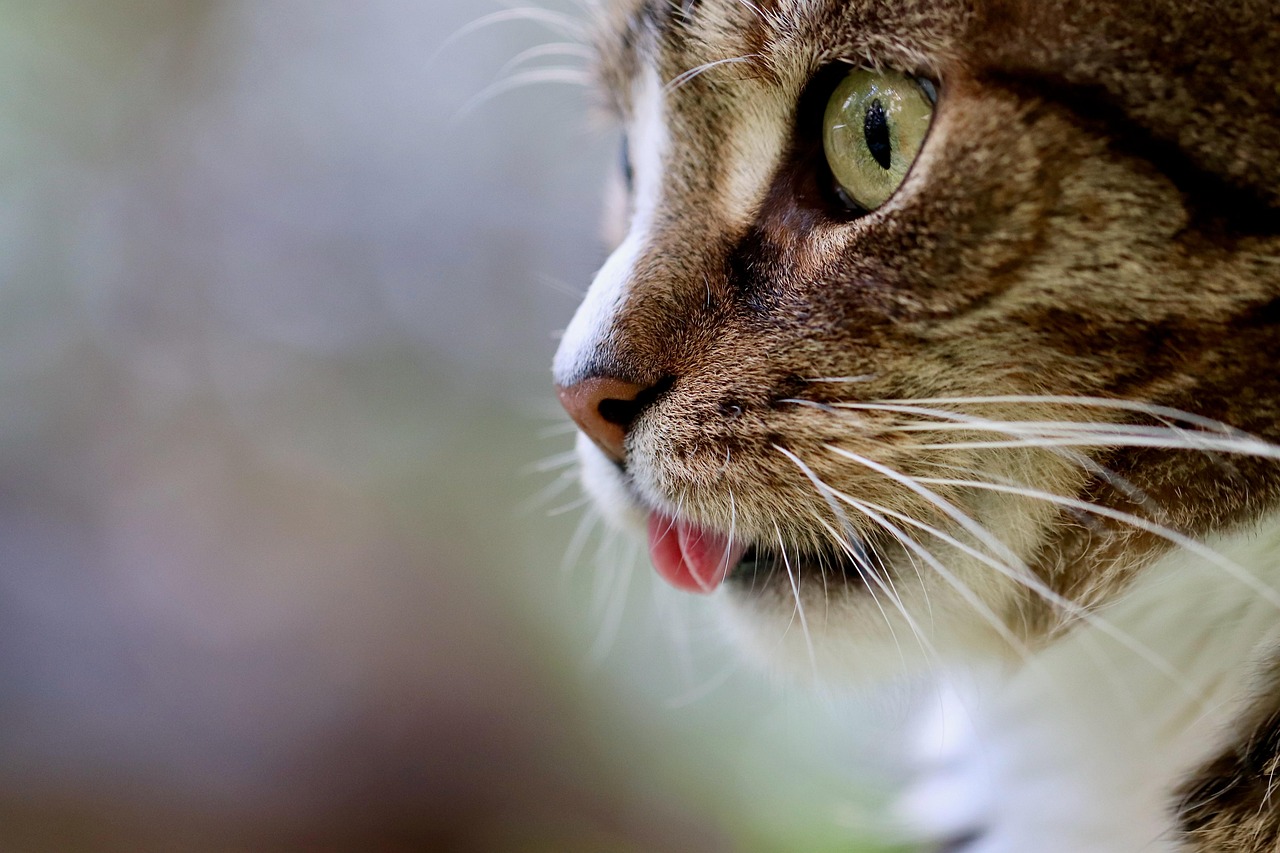

Healthy and Natural Training Treats for Cats
When it comes to training your feline friend, using effective methods can significantly enhance the experience for both you and your pet. One critical component of training is the use of treats, specifically tailored to appeal to a cat’s palate. Natural ingredients provide numerous benefits, ensuring the treats boost health rather than detract from it. When selecting training treats, consider the nutritional value, avoiding fillers or artificial additives that may harm your cat’s system. It is essential to focus on high-quality proteins that support your cat’s energy requirements during training sessions. Opt for treats made with real meat, fish, or poultry, ensuring they are easy for your kitty to consume quickly after performing tasks. Additionally, premium treats often contain essential vitamins and minerals, fostering overall well-being. Always check the ingredient list to ensure you’re providing the best for your furry companion. Training not only builds bonds but also satisfies your cat’s natural instincts. Incorporating healthy treats can help reinforce positive behavior, leading to a more enjoyable training experience for both of you. All in all, ensuring your cat enjoys their training time is paramount.
Choosing the right training treats can make a substantial difference in your cat’s learning curve. Instead of traditional commercial treats, which often contain preservatives and fillers, look for wholesome options that are both nutritious and appetizing. Freeze-dried meat treats are an excellent alternative; they retain the essence of fresh meat but offer a longer shelf life. Furthermore, some treats are designed to support dental health, offering the added benefit of reducing plaque buildup while your cat enjoys their special reward. Experiment with various flavors, as every cat has distinct preferences—some may crave chicken, while others favor fish or lamb. You can also make homemade treats using simple recipes, ensuring your cat gets fresh, healthy options. Ingredients like sweet potatoes, carrots, or chicken can be blended and baked into delightful bites. Always introduce new treats gradually, watching for any allergic reactions or digestive issues. Ensure each training session is a fun and rewarding experience, reinforcing good behavior with delicious and healthy treats. This strategy will create trust and enthusiasm, making your pet more willing to learn new commands or tricks over time.
Benefits of Using Natural Training Treats
Natural training treats serve a dual purpose: rewarding your cat for good behavior while keeping them healthy. High-quality treats often consist of whole, minimally processed ingredients, maximizing their nutritional content. Cats, being obligate carnivores, thrive on protein-rich diets; thus, treats high in animal-derived ingredients are beneficial. When you offer them during training, you’re not only reinforcing positive behavior but also nurturing their overall health. Furthermore, these treats generally contain fewer allergens and artificial ingredients, significantly lessening the risk of dietary sensitivities. Cats have sensitive stomachs, making it essential to choose foods that agree with their delicate systems. Training treats crafted from natural sources also often contain necessary fatty acids that promote a healthier coat and skin. In addition, they support optimal muscle growth, offering essential amino acids. By opting for natural options, you’re more likely to maintain your cat’s optimal weight, reducing obesity risk. As a responsible pet owner, prioritize your companion’s health by carefully selecting what they consume, ensuring their training rewards contribute positively to their physiology and happiness. Overall, maintaining a healthy diet for your cat is essential for longevity.
Your cat’s enjoyment of training sessions hinges on the right selection of treats, so variety is crucial. If your cat seems disinterested, try switching flavors or brands. Many companies offer sample packs, allowing you to test different treats without committing to a full-size package. The goal is to discover what your cat finds irresistible, which can lead to quicker learning and a more enthusiastic response to commands. Don’t hesitate to incorporate treats into different aspects of your cat’s daily routine, from training commands to playtime or even as a meal topper. This can create a positive association with various activities and encourage them to engage and learn. Additionally, consider the treat’s size and texture; tiny, soft morsels can be more appealing than larger, harder ones, especially for cats with sensitive teeth or those that tend to chew slowly. Also, timing is essential; offer treats immediately after a successful action or command to reinforce the behavior. When your cat correlates the treat with their achievement, it boosts their motivation to learn more tricks. Being patient is key in these training interactions, as cats may take time to grasp new commands being presented to them.
Homemade Training Treats: An Option
For those who prefer crafting treats at home, there are numerous simple recipes available online. These can include a variety of wholesome ingredients that you probably already have on hand, like tuna or chicken breast. By preparing treats yourself, you have complete control over the ingredients, ensuring no unwanted preservatives or artificial additives are included. Recipes can range from simple to complex, with many requiring only a few minutes of preparation and baking time. Moreover, you can adjust the flavor to suit your cat’s preferences, creating bespoke treats they’ll love. Inspiration for homemade treats can be found in numerous feline-focused cookbooks or dedicated websites. Remember to bake them into small, bite-sized pieces for convenience during training sessions. Storing homemade treats is also easy; simply keep them in an airtight container to retain freshness. You might discover that your cat prefers homemade options over store-bought ones, which reflects their unique taste buds. This engagement in meal preparation fosters even more bonding opportunities with your feline, leading to a happier, healthier cat. Enjoy the journey of experimenting with flavors and textures as you create delightful snacks for your furry companion.
Finally, always ensure that any new treats introduced into your cat’s diet are done gradually. Sudden changes can lead to digestive upset, which can deter your cat from engaging in training or enjoying their treats. Monitor their reactions to new items and read their body language, which can indicate preferences or concerns. Take the time to introduce new treats during calm and relaxed moments, fostering a positive atmosphere around training. If your cat shows disinterest, persistence is key; simply try again later to create a non-stress environment. Additionally, consider consulting with your veterinarian regarding the best options tailored to your cat’s unique needs. Different breeds and ages may require tailor-suited nutritional values, ensuring they thrive while being trained. Training treats should not replace your cat’s regular meals but serve as supplement rewards to encourage good behavior. Be mindful of the overall calorie intake to keep your cat at a healthy weight. With dedication, your efforts in selecting the finest treats and methods can lead to a well-behaved, responsive cat, strengthening your bond while promoting their mental and physical health. Enjoy the fulfilling moments as you watch your feline flourish.
Conclusion
In summary, when training cats, the right choice of treats significantly impacts the entire process. Healthy, natural training treats enhance both enjoyment and efficacy. Whether you purchase them or create them at home, ensuring they are tailored to your cat’s preferences is vital for success. Not only do these treats reward good behavior, but they also provide necessary nutrition to support overall well-being. Wrong choices can lead to reluctance in training, health issues, and dissatisfaction from both cat and owner. So take time to explore different options, considering your cat’s preferences and dietary requirements. Building a training practice around healthy treats will lead to swift successes and a more harmonious relationship with your furry companion. Observing your cat’s engagement during the training phase can provide insights into their likes and dislikes. In the end, combining delicious and nutritious treats with positive reinforcement creates a foundation of trust and love that pets cherish. Celebrate the small milestones as your cat progresses, and remember that patience is essential in this rewarding journey. Embrace the joy of training, knowing that healthy treats will always play an extraordinary role in it.
Investing in high-quality training treats ensures your feline friend receives the best possible encouragement throughout their learning process. When they associate training with positive experiences, they become more eager to learn, and this delight can lead to greater emotional health. With this solid foundation of trust, training becomes less of a chore and more of a cherished time spent together. The quest for the perfect treat might take some time, but the right choices will foster significant behavioral benefits. So don’t shy away from experimenting with various products, flavors, and textures. You will discover what motivates your cat the most. Choosing treats is a personalized endeavor, and a one-size-fits-all approach may not work. Instead, each individual cat has distinct preferences that must be honored, keeping them engaged and happy during sessions. Treats serve as a powerful motivator, making the learning process a lot more enjoyable for your beloved pet. Celebrate their achievements, from small tricks to larger commands, rewarding them appropriately to instill a sense of accomplishment. The bond facilitated by training sessions is invaluable, enriching both your life and your pet’s.