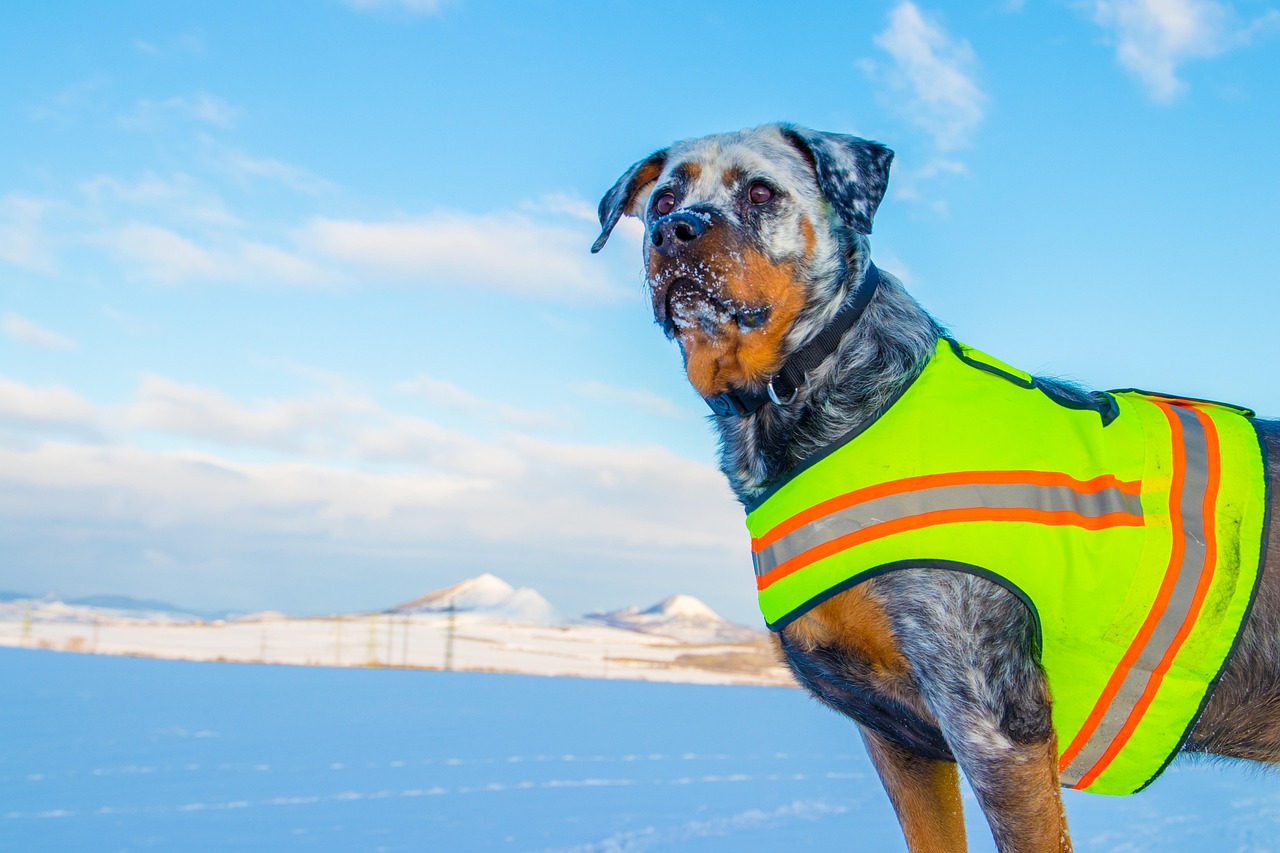

Preventing Injuries While Playing with Your Dog
Playing with your dog provides great joy, but it’s essential to prioritize safety to prevent injuries. Start by ensuring your play environment is safe and free from hazards that might cause accidents. Regularly inspect the area for sharp objects, any toxic plants, or dangerous materials that could harm your dog. Use toys designed for dogs, as they reduce the risk of choking or injury. Keep an eye on weather conditions, avoiding play during extreme heat or cold, since this can affect your dog’s health. Select durable balls and chew toys that withstand vigorous play rather than easily breakable ones. Understanding warning signs, such as your dog’s fatigue or any signs of discomfort, helps in averting injuries. For high-energy dogs, activities such as fetch are perfect, but moderation is crucial. Remember to remain interactive and take breaks to maintain enthusiasm for play, making it a positive experience. You can also enroll dogs in training classes to enhance their social skills. A dog that is well-behaved can participate safely in games and activities. By being vigilant and prepared, injury can be avoided while ensuring a delightful time together.
Proper hydration during playtime remains a crucial consideration. Always provide fresh water before, during, and after engaging in play with your dog. Keeping your dog hydrated prevents overheating, especially in warmer months when they are prone to dehydration. Know the appropriate duration and intensity of play based on your dog’s breed, age, and fitness level, as each dog’s tolerance varies. Observing your dog’s physical condition and seeking veterinary guidance on suitable exercise routines ensures their well-being. Always plan for a cool down after intense activities, allowing for a gradual decline in energy levels. Employ positive reinforcement when training your dog, associating safety and obedience with rewards. Avoid tug-of-war games if your dog has a history of aggressive behavior to other dogs or people, as this may escalate into more severe situations. Moreover, be cautious of play with unfamiliar dogs, as their interaction could lead to unexpected conflicts. Keep an eye out for signs of behavioral distress or indications your dog may not want to play, ensuring their well-being is prioritized. Altogether, a combination of awareness and proper planning leads to a fun and safer play experience.
Choosing the Right Play Equipment
Selecting appropriate toys promotes safety during dog playtime. Always choose toys that are age-appropriate and fit the size of your dog. Toys that are too small may pose a choking risk, while large toys may be challenging for small dogs to engage with. Additionally, ensure the toys are made from non-toxic materials that don’t pose a health risk if ingested accidentally. Check for wear and tear regularly, discarding any damaged toys to prevent your dog from consuming pieces that may break off. Interactive toys, such as those that dispel treats, challenge and stimulate but ensure they’re durable and free from harmful chemicals. Toys designed for fetching can be effective but inspect them for safety regularly. Another option includes using flotation devices for swimming exercises to keep your dog safe in water. Give preference to soft and flexible toys over hard ones to minimize potential injuries. When playing fetch, utilize a ball designed specifically for dogs. It reduces discomfort and risk of injury. Being mindful of the variety and safety of play equipment leads to joyful, injury-free sessions, promoting healthy physical and mental stimulation for dogs.
Creating a safe play area is as crucial as choosing the right equipment. Whether indoors or outdoors, ensure the space has plenty of room for your dog to run and play without risking injury. For indoor play, remove furniture and clutter that might be obstacles to avoid collisions. In outdoor settings, keep the area enclosed to prevent unexpected escapes or encounters with other animals. If in a public space such as a dog park, always supervise your dog to prevent any unwanted incidents. Ensure proper fencing is installed to keep dogs secure while they play. Beware of gates; using latches can stop them from opening accidentally. Additionally, be cautious of wildlife, as encounters with animals can result in unexpected fights or illnesses. Avoiding playgrounds or areas still under construction can reduce risks from tools and machinery. Conversely, provide shaded areas for resting, especially on warm days, thus preventing overheating. Taking time to prepare a safe play environment leads to a more enjoyable experience for both you and your dog. Creating a secure area significantly minimizes the risk of injury while providing adequate space.
Regular Health Checks
Maintaining your dog’s overall health decreases the chance of injuries during play. Schedule regular vet check-ups to monitor their physical condition and ensure vaccinations are current. Dogs with existing health issues may be more susceptible to injuries, so detailed discussions during the vet visits about safe exercise will keep your dog fully informed. Monitoring your dog’s weight is equally important, as excessive weight could strain their joints during playtime, leading to injuries. Exercise needs differ based on the breed and age, ensuring to provide activities that suit their lifestyle. Older dogs, for instance, may require gentler forms of play that do not put undue stress on their bodies. Regular grooming helps check for any abnormalities such as pain or discomfort which could go unnoticed. Moreover, incorporating balanced diets supports healthy energy levels, enabling them to engage in play without exhaustion. Focus on suitable play types that accommodate their health status to ensure injury-free activities. Regular health checks yield improvements in agility, stamina, and overall preparedness, providing joy by maximizing playtime without compromising safety.
Training your dog in obedience is crucial for a safe playtime experience. Basic commands like ‘sit’, ‘stay’, and ‘leave it’ form the foundation for safety during play. Reinforcing these commands through consistent training can safeguard against risky behavior. Positively reward your dog with treats or praise whenever they obey commands, building a stronger bond based on trust and cooperation. Socializing your dog with other animals and people prepares them for various situations during outdoor activities. Well-socialized dogs handle encounters better, allowing for smooth, injury-free interactions. Enroll in obedience classes if you feel overwhelmed by training, as professionals can guide you in effective techniques. Engaging with your dog actively during play reinforces their training and strengthens your relationship. Always be patient during these training sessions, acknowledging that some dogs take longer to pick up commands. Remember that a well-trained dog is not only safer during play but also helps reduce stress for the owner. Investing in obedience training fosters a healthy relationship and creates a safer environment during playtime, leading to positive experiences free from accidents.
Conclusion on Dog Play Safety
Ultimately, prioritizing safety during playtime with dogs enhances the joy of companionship. By planning carefully and being proactive regarding safety measures, dog owners can significantly reduce the prospect of injuries. Focusing on hydration, physical condition, and the right tools prompts a healthy and safe play experience. Engaging in obedience training ensures dogs respond appropriately to commands and stay safe during sessions. Socialization is essential, allowing dogs to develop important social skills that reduce aggressive tendencies in uncontrolled environments. Regularly monitoring health through vet visits assures dogs remain in optimal condition for play. Observing your dog’s energy levels and taking breaks when necessary supports their wellness, preventing potential injuries. Creating a safe environment—whether ordering the play area or choosing suitable toys further promotes health and safety during these fun times. Additionally, avoid excessive play that may tire your dog out too rapidly, still allowing for restful breaks in-between. Creating safety methods fosters an enjoyable atmosphere filled with love and affection. By remaining diligent, every play session turns into an opportunity to strengthen bonds while ensuring safety remains the priority at all times.
Finally, enjoy every moment with your furry companion, embracing the laughter, love, and joy that comes with playtime. Applying the knowledge shared can transform every play session into a delightful experience, free from risks. The importance of amalgamating safety practices with joyful interactions is paramount in ensuring a long-lasting relationship between you and your beloved pet. Paying attention, caring for their needs, and managing the environment all lead to a fabulous time filled with happy memories. Following these guidelines not only enhances the quality of play but can create an ongoing habit for both of you. As dogs become healthier and more playful, so does your bond, bringing endless joy to your everyday life. Take the time to cultivate a secure setting, allowing exploration and fun without fear. Remember, a happy dog signifies a happy owner. Embrace the playful moments, encouraging physical activity while also maintaining safety, reinforcing your dog’s confidence and agility. In the end, these measures contribute not only to fun but to your dog’s overall well-being, ensuring they enjoy a long, happy, and safe life with you.