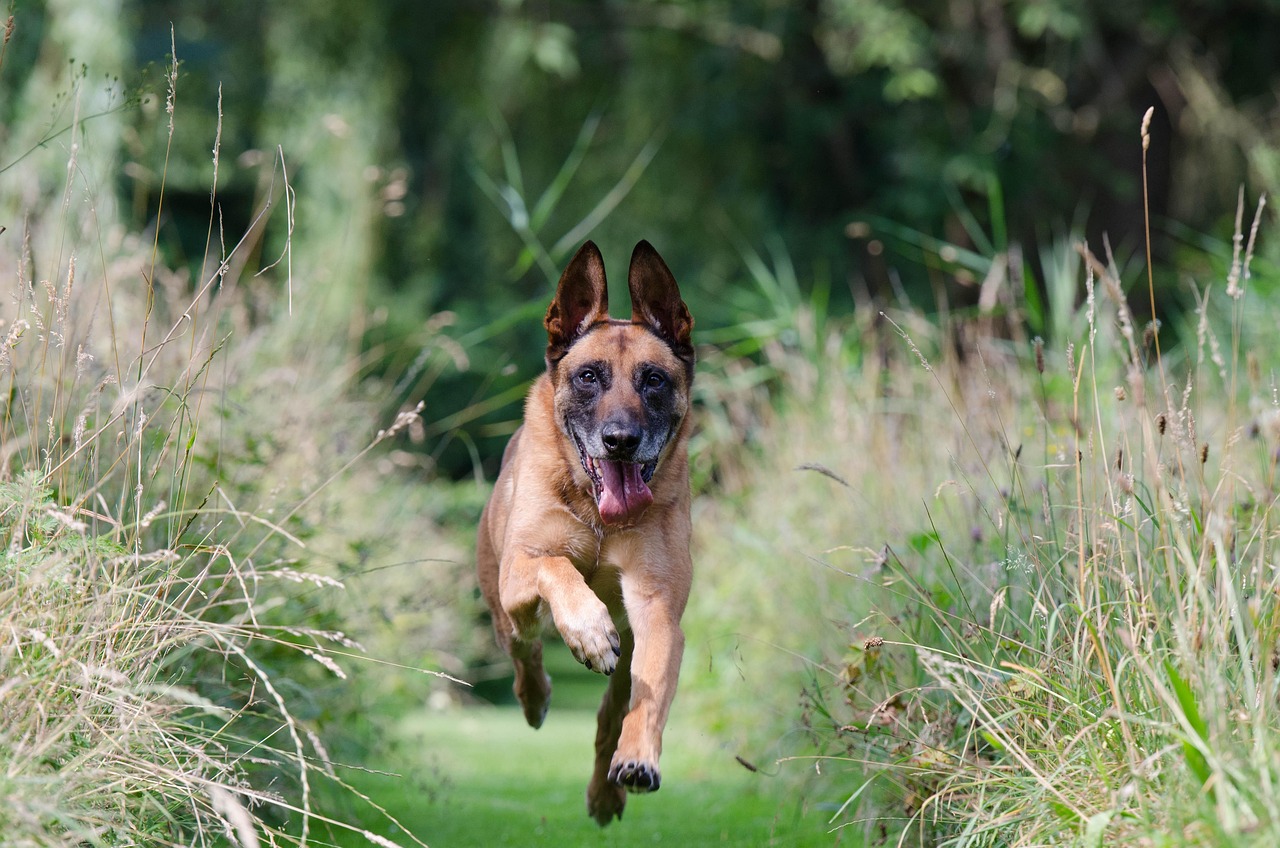

Using Clicker Training to Improve Recall
Clicker training is a popular method that dog owners use to teach and reinforce desired behaviors, including recall commands. The process begins with introducing your dog to the clicker, which is a small handheld device that makes a distinct clicking sound. Start by clicking the clicker and immediately providing a treat to your dog. This association teaches your dog that the click sound means a reward is coming. It is essential to be consistent with this pairing. Once your dog reliably associates the click sound with a treat, you can begin using it during recall training. Ensuring your dog stays attentive and focused is crucial for effective learning. Choose a quiet environment initially to minimize distractions, gradually adding more challenges as your dog becomes proficient in responding to the recall command. Training sessions should be short and engaging to maintain your dog’s enthusiasm. By integrating clicker training into your routine, you not only improve recall abilities but also strengthen the bond between you and your dog, making training a fun and rewarding experience for both. Remember that patience is key during this gradual learning process.
To further enhance the effectiveness of clicker training for recall commands, selecting the right environment for training sessions is fundamental. Begin in a space that is free from distractions such as other dogs or loud noises. This could be your backyard, a park in early hours, or even inside your home. As your dog masters the recall command, gradually introduce additional distractions to help them learn to focus amidst various stimuli. During initial training, use a long leash or training line to maintain control while allowing your dog a bit of freedom. Consider practicing in different locations over time to generalize the recall command. The goal is for your dog to respond from any distance in any environment. Each time your dog successfully returns to you on command, reward them immediately with praise, a treat, or play. This positive reinforcement strengthens their understanding of the behavior you want to encourage. As you make progress, it’s crucial to continue practicing the command regularly. Consistency is vital in ensuring that your dog retains the recall skill over time and responds reliably. Lastly, stay patient and celebrate each success in your training journey.
Incorporating Fun Games in Training
Incorporating fun games into your clicker training can significantly improve your dog’s recall abilities. Games such as ‘Hide and Seek’ are excellent tools for reinforcing recall commands while keeping training enjoyable and engaging. To play, have someone hold your dog while you hide somewhere in the house or yard. Once hidden, call your dog using the recall command and click and reward when they find you. This game teaches your dog to eagerly seek you out, reinforcing their response to the command. Another fantastic game is ‘Fetch,’ where your dog learns to return with the thrown item, naturally merging this activity with recall teachings. The excitement of these games encourages your dog to associate returning with fun and rewards. Mix different games together to maintain their interest and ensure practice doesn’t feel monotonous. Varying routines keeps training fresh and stimulating, which is particularly important for younger dogs and breeds with high energy levels. Remember to use the clicker consistently throughout these activities to reinforce the positive connection between command compliance and rewards, ensuring that training remains fruitful, fun, and spontaneous for both of you.
Understanding Your Dog’s Needs and Signals
Understanding your dog’s needs and recognizing their body language are essential aspects of clicker training for recall commands. Each dog has unique signals that indicate when they are ready or not ready to engage in training sessions. Pay close attention to your dog’s behavior; signs of stress or disinterest might mean that it’s time to take a break. Additionally, some dogs may be highly motivated by food, while others may prefer toys or playtime as rewards. Tailoring your approach to your individual dog’s preferences can lead to more effective training sessions. It’s also important to assess the training environment: a park filled with distractions might be too overwhelming for a beginner. For timid or sensitive dogs, creating a safe, quiet space will be more conducive to learning. Recognize that patience is key, and every dog learns at their own pace. Allow your dog to take breaks when needed and return to training once they are more relaxed and ready to learn. By fostering a compassionate and understanding training atmosphere, your dog will thrive and develop better recall skills over time, contributing to a rewarding relationship.
Maintaining a positive atmosphere during training sessions is crucial. Dogs can quickly become frustrated or anxious if they perceive sessions as stressful. To avoid this, ensure that training time is an enjoyable experience. If your dog seems overwhelmed, it’s essential to step back and make adjustments. Perhaps decreasing distractions, shortening training sessions, or incorporating more playtime will make a difference. Using a positive tone of voice and maintaining an encouraging demeanor can help your dog feel more comfortable and motivated during training. Additionally, be mindful of your energy level; dogs are responsive to their owners’ moods, so staying upbeat will positively influence their performance. Create a consistent routine to help your dog know when to expect training time. Over time, they will anticipate these sessions and approach them with eagerness. Likewise, consider scheduling training sessions at times when your dog is already active and engaged, capitalizing on their energy levels. Once your dog masters the recall command, you can practice using the command in increasingly distracting environments. Be patient and continue to reward every success, enhancing your dog’s confidence and reliability in responding to recall commands.
Tracking Progress and Celebrating Success
Tracking your dog’s progress in recall command training is integral to ensuring that you maintain focus. Progress tracking allows you to identify what works and what areas may require adjustment for improved results. Keeping a training journal can be particularly helpful; jot down notes about your dog’s successes, challenges, and responses during sessions. Reflecting on this information helps you make informed decisions about altering your training methods when necessary. Additionally, sharing your training journey with others, such as friends or online communities, can provide valuable insights and encouragement. Don’t forget to celebrate your dog’s achievements, no matter how small. Celebrating might mean throwing a mini-party with treats, or enjoying some extra playtime or praise. These positive reinforcements reiterate the value of their learning experience. Celebrate milestones along the way, such as successfully recalling your dog from a distance or competing in fun dog events. This practice not only boosts your dog’s confidence but also strengthens the bond between the two of you. Remember, consistent tracking and celebration of successes are vital components of maximizing the benefits of clicker training for recall commands.
In conclusion, effectively using clicker training to improve your dog’s recall commands can create a more rewarding and compliant pet. By focusing on fostering a positive learning environment, understanding your dog’s needs, and employing engaging games and tracking methods, you can see substantial improvements. Regularly practicing recall commands in different settings ensures that your dog becomes reliable in various situations. Moreover, ensuring consistency through the use of the clicker can strengthen your dog’s understanding of what is expected of them when called. Patience and persistence play essential roles in this training journey. Always remember to celebrate progress and maintain a sense of fun, as this can significantly impact your training outcomes. As your dog progresses, gradually increase the levels of distractions to continue building their confidence in responding to the recall command. Each positive recall response strengthens the bond you share while preparing your dog for real-life situations. Integrating clicker training into everyday life further solidifies the training and creates lasting habits. Enjoy the time spent training with your dog while enriching your experience and relationship together as a team. Through this journey, both you and your dog will enjoy being more connected and cooperative.