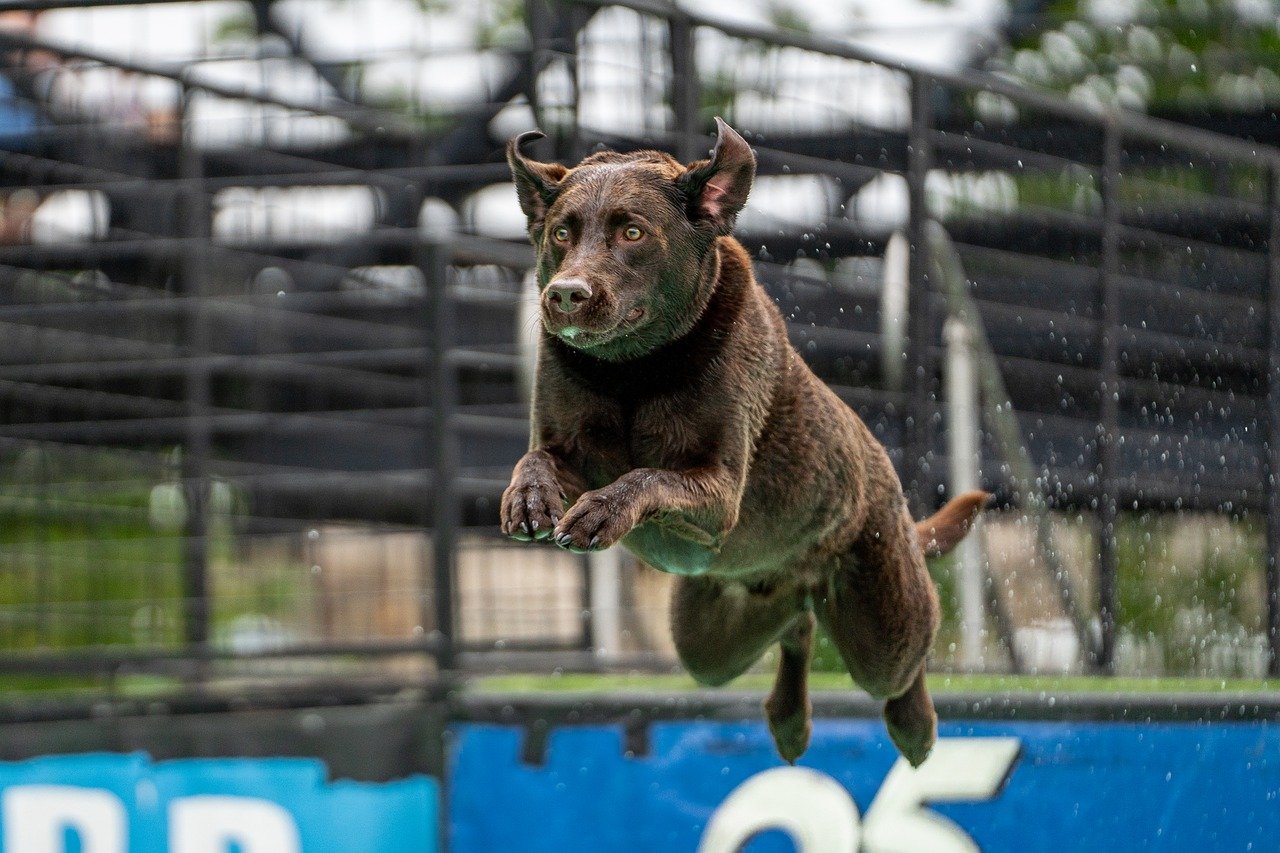

Adapting Disc Dog Competitions for Disabled Participants
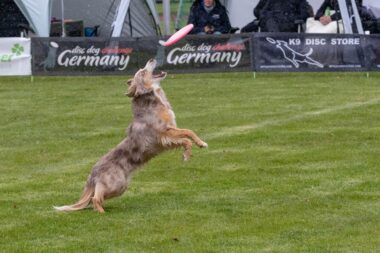
Disc dog competitions showcase the unique bond between dogs and their owners, providing an exciting platform for both skilled performance and teamwork. Adapting these competitions for disabled participants opens doors to inclusivity and encourages passion in dog sports. With careful consideration, organizers can create an environment that welcomes everyone. Various adaptations ensure safety and participation for all individuals, regardless of physical limitations. For example, modifying rules allows the use of mobility aids where needed. Furthermore, incorporating assistive technologies can enhance performance while ensuring enjoyment. Each participant, regardless of ability, should feel empowered to engage in the activity, boasting a sense of achievement. Support from the local community enhances participation, creating a welcoming atmosphere. Working with coaches who understand the adaptations necessary to facilitate success is crucial. Ultimately, the goal is to ensure that the joy and thrill of disc dog competitions are accessible for everyone. By fostering an inclusive event, we can celebrate diverse abilities alongside our canine companions while promoting positivity within the sport. Ultimately, the modifications benefit not only athletes but also enrich the overall dog sport community through diverse engagement.
One significant factor in adapting disc dog competitions is providing tailored training programs for disabled participants. These programs should focus on enhancing skills while accommodating individual abilities. With expert trainers’ support and encouragement, participants can develop their skills effectively. Tailored lesson plans can integrate various training methods such as positive reinforcement, focusing on building strong communication between the handler and the dog. Additionally, collaboration with professionals experienced in adaptive sports can lead to the creation of innovative practices. Workshops, clinics, and seminars can greatly assist handlers and their dogs in understanding their potential. By building confidence through specialized training sessions, participants develop essential techniques such as fetching and catching the frisbee. Strengthened bonds emerge when trust between dog and owner increases. Couple this with the right use of equipment designed for comfort and accessibility, and participants can thrive. Overall, strategically planned training transforms the competition experience, proving that limitations exist primarily in the mind. Inspiration can be drawn from those who have previously embraced disc dog sports despite having challenges. This inclusive approach creates a rich tapestry of experiences that champions athleticism and builds community among participants.
The Role of Equipment in Inclusive Competitions
Appropriate equipment plays a critical role in making disc dog competitions accessible for disabled participants. Equipment adaptations can significantly enhance participation by providing safety and comfort. Lightweight, ergonomic frisbees are essential for all competitors, ensuring that they can be thrown and caught regardless of ability. Additionally, specialized harnesses and leashes tailored for both dogs and handlers promote better control during disc retrieval. Furthermore, integrating mobility aids can empower individuals facing physical challenges to maneuver comfortably on the competition field. These modifications, paired with proper training, enable everyone to showcase their skills and enjoy the thrill of the sport. It is equally important to establish a support system that includes volunteers who can assist participants, providing guidance and encouragement throughout the event. This camaraderie fosters an empowering atmosphere that celebrates diversity. Engaging sponsors and local businesses can help provide necessary equipment and marketing support as well. By pooling resources and collaborating among organizations, events can be organized that foster an all-inclusive spirit. Overall, by prioritizing equipment, organizers are creating a space that champions participation while prioritizing safety and accessibility.
Judging and scoring adaptations are essential to ensure fairness in a modified disc dog competition format. Traditional judging criteria must be re-evaluated to account for the diverse abilities of participants. This means that judges should be trained in assessing performance based not only on the dog’s skills but also on the handler’s capabilities and methods. Consider implementing modified scoring systems that prioritize teamwork and innovation in performance, celebrating achievements unique to each individual. Such adjustments promote a supportive atmosphere by recognizing personal growth rather than solely focusing on performance metrics that may not be applicable across the board. Engaging stakeholders, including judges and participants, to develop relevant criteria can create a shared understanding and improved experiences for all. Moreover, introducing additional categories can enhance competitive spirit while promoting diversity and inclusion. The reward structures can also evolve, featuring recognition for various achievements, such as the best teamwork, most innovative performance, or overcoming adversity. These adjustments pave the way for experience amplified by inclusivity within the dog sports community while strengthening relationships among participants. Celebrating individual stories provides a meaningful backdrop to an expanded competition experience.
Creating a Supportive Community
A supportive community lays the foundation for successful adaptations in disc dog competitions for disabled participants. This community comprises trainers, supporters, volunteers, and fellow participants who share a love for dogs and the sport. Creating outreach programs encourages engagement and participation by offering resources and information about accessible dog sports. Social media platforms hold tremendous potential to connect individuals who share similar experiences and desires. By fostering online and offline relationships, participants can exchange ideas, tips, and support. These connections help individuals feel more comfortable in their participation, breaking barriers and promoting inclusivity. Hosting community events can further strengthen relationships among dog sport enthusiasts and provide opportunities for networking and sharing knowledge. Through collaboration with local organizations focused on inclusivity, awareness can be raised about the benefits of adaptive sports. By promoting these ideals, participants are empowered to pursue their dreams and redefine their goals with support from enthusiastic peers. Ultimately, the collective effort of this supportive community can improve the quality of experiences and provide a platform where everyone feels valued.
Feedback from participants is crucial to shaping future competitions and improving the overall experience for disabled competitors. Organizers should actively seek insight on what worked, what didn’t, and potential enhancements to be implemented. These discussions foster an atmosphere of collaboration and continuous improvement, ensuring that each event becomes more inclusive and accessible. Conducting surveys or hosting focus groups allows participants to voice their opinions, sharing personal stories and suggestions for future events. It is essential to create an open dialogue to help counsel the ongoing adaptation of competitive formats. Establishing a mentorship program can also play a vital role in supporting newcomers, pairing them with experienced participants. This initiative enhances the community’s bond, reinforcing camaraderie and mutual support. The stories shared can inspire others and enhance the competitive atmosphere. Likewise, sharing highlights and achievements through various media encourages greater visibility for adaptive sports. By showcasing accomplishments, not only are those recognized for their hard work, but barriers to entry are further dismantled. Ultimately, continuous feedback loops facilitate sustained enhancement within the dog sports community, inviting further interest.
The Future of Adaptive Dog Sports
As we look towards the future of adaptive dog sports, ongoing advancements will play a vital role in promoting inclusivity and encouraging participation. Innovations in materials and technology can enhance equipment quality while ensuring accessibility. Additionally, collaborations between dog trainers and rehabilitation specialists can lead to tailored training programs that focus on diverse abilities. By prioritizing education and outreach, more individuals will become aware of the opportunities available in adaptive sports. Increasingly, more organizations are recognizing the importance of creating inclusive environments that celebrate various skills and abilities. As participation grows, the competitive landscape will flourish, fostering camaraderie and understanding among participants. Future events can further innovate by incorporating virtual participation, allowing individuals who may not be physically present to engage with the competition remotely. This will expand the audience and create a more vibrant community around dog sports. Additionally, strategic partnerships with schools, nonprofits, and rehabilitation centers can promote programs that inspire participation from a young age. Overall, the future is bright for adaptive dog sports, filled with hope and resilience, as we strive for an inclusive experience for all involved.
In conclusion, adapting disc dog competitions for disabled participants provides an exceptional opportunity to foster inclusivity and support within the dog sports community. By developing tailored training programs, providing appropriate equipment, and creating supportive environments, we can ensure that everyone can enjoy the thrill of sport. Incorporating diverse judging criteria and creating a strong community will help to address the unique needs of each participant while celebrating their achievements. Gathering feedback allows for continual improvement, while the future promises exciting prospects for further engagement. Adaptive dog sports not only highlight the remarkable bond between humans and their canine companions but also empowers those facing challenges to pursue excellence. This journey forms a culture that recognizes resilience and advances the idea that sports belong to everyone. As we strive to create welcoming spaces, we ultimately enrich the overall experience of dog sports. Together, through shared passion and understanding, we can champion diversity in dog sports, transcending beyond barriers created by limitations. Working towards a future marked by inclusivity is essential, transforming the world of competitive dog sports, uplifting each participant while fostering unity and purpose. The journey continues, fueled by hope and determination to embrace adaptive sports.