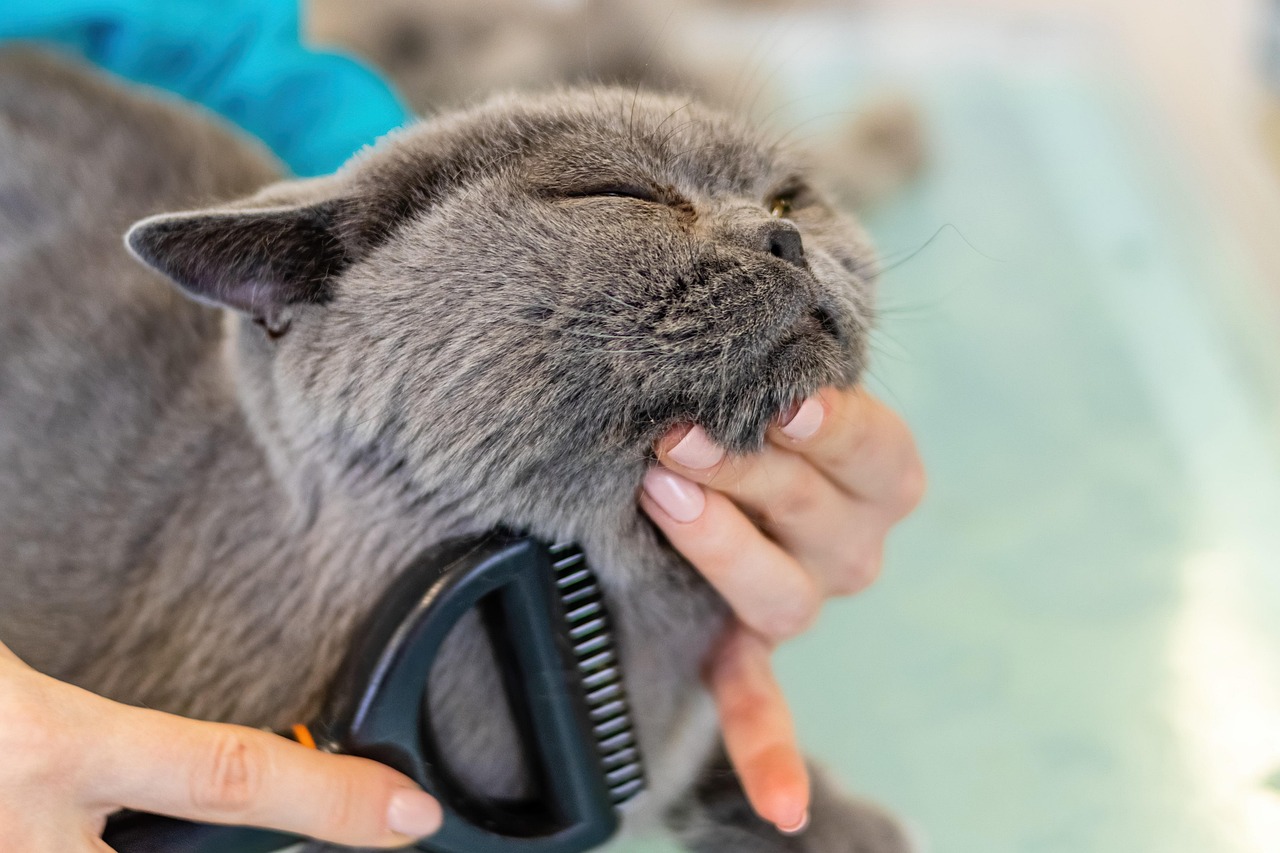

Cat Grooming Safety: How to Handle Aggressive Cats
Grooming is essential for your cat’s health, but it can be challenging, especially with aggressive cats. Understanding their behavior is crucial to ensure safety for both you and your feline friend. Before starting, make sure you gather all necessary grooming supplies, like brushes, combs, and trimming tools. Never rush into grooming; instead, create a calm environment conducive to your cat’s comfort. Ensure that the space is quiet and free from distractions, allowing your cat to feel secure during grooming sessions. Establish a routine that includes gradual approaches to the grooming process, introducing the grooming tools slowly. When cats feel threatened, their instincts might activate, leading to aggressive behavior, especially around sensitive areas like paws and backs. Observe your cat’s body language for signs of stress or hostility. If your cat appears to be uncomfortable, take a break and try again later, perhaps with treats to create a positive association. Ensuring safety for you and your pet is paramount, so proceed with caution and patience throughout the grooming process.
Identifying Signs of Aggression
Recognizing aggressive behavior in cats is essential for safe grooming practices. Typical signs include growling, hissing, swatting, or any sudden movement that signals discomfort. Understanding these signals allows you to halt the grooming process if needed, preventing injury. Sometimes, cats show subtle cues, such as flattened ears or dilated pupils, which indicate stress or irritation. If your cat is showing these signs, it’s advisable to proceed with extreme caution. It’s essential to monitor their body language closely, as aggression can escalate quickly if ignored. Ideally, start grooming when your cat is relaxed, perhaps after a playful session. Positive reinforcement, such as treats or gentle praise, can condition your cat to associate grooming with pleasant experiences. Ensure the grooming area is safe, avoiding any high surfaces where a startled cat could leap off and hurt themselves, or you. Maintain a calm demeanor yourself, as cats can sense tension and might react negatively. By effectively identifying signs of aggression and employing appropriate techniques, you’ll increase grooming safety and decrease stress for both parties. This leads to a more peaceful grooming session overall.
Using proper grooming tools can make a significant difference when handling aggressive cats. It’s crucial to select the right equipment tailored to your cat’s coat type and temperament. For instance, using a slicker brush for longer hair reduces tugging, which can irritate your pet and provoke aggressive behavior. Additionally, consider using grooming gloves that allow you to bond with your cat while removing loose fur gently. These gloves are often less intimidating than brushes, helping to calm anxious or aggressive cats. A good pair of clippers can also efficiently manage a cat’s coat when necessary, but ensure they are quiet to avoid startling your cat. Avoid abrupt motions that could alarm your cat and cause unpredictable reactions. While grooming, maintain a steady, gentle motion to foster comfort. If your cat resists at any point, pause and reassess the situation, allowing your cat to settle. Incorporating interactive elements, such as catnip or toys during breaks, can re-engage your cat and promote a positive environment. This will make grooming sessions less about restraint and more about cooperation and trust, paving the way for easier future grooming procedures.
Making grooming sessions a positive experience is crucial for managing aggressive cats. One effective method is to use treats as a reward throughout the grooming process. Offer small snacks interspersed with grooming actions, which builds a sense of trust and encourages calm behavior. Incorporating play breaks can also reduce anxiety, allowing your cat to shake off stress while maintaining engagement. You might consider including these intervals as part of the grooming routine, such as after brushing one side. This helps maintain momentum and reduces the likelihood of aggression during grooming. Additionally, choosing specific times for grooming, like after meals or during sleepy times, can lead to more cooperative behavior. It’s vital to keep sessions short initially, gradually increasing their duration as your cat becomes accustomed to the routine. Aim for sessions of about five to ten minutes, especially in the beginning. Keep the atmosphere relaxed, ensuring it feels fun rather than tedious for your cat. Creating a rewarding atmosphere for grooming not only promotes safety but also reinforces positive associations, decreasing the likelihood of aggression in the future.
Importance of Regular Grooming
Regular grooming plays a significant role in preventing matting, reducing shedding, and monitoring your cat’s skin health. An aggressive cat might misinterpret grooming as a threat if it’s not a habitual activity, emphasizing the need to develop a consistent grooming routine. Regular sessions allow your cat to become familiar with the process, reducing the possibility of fear and anxiety that can lead to aggression. Regular brushing also strengthens the bond between you and your cat, making them feel cared for and loved. Furthermore, during these sessions, you’re likely to notice any unusual skin conditions or parasites. Early detection of these issues allows for swift veterinary intervention, enhancing your cat’s overall health and wellbeing. Therefore, make grooming part of your usual routine rather than a sporadic event. By integrating grooming into their regular activities, you ensure that your cat becomes accustomed to the tools and methods you use. This minimizes potential conflict and makes it easier to handle your cat during grooming, leading to safer and more enjoyable experiences for both you and your furry friend.
During grooming, utilizing calming techniques can greatly aid in handling aggressive cats. Techniques such as gentle petting or speaking softly during the grooming process can reduce anxiety. The sound of your voice can provide a sense of security for your cat, minimizing aggression. A pheromone diffuser in the grooming space can also help create a calming environment, as these scents simulate natural feline pheromones, promoting tranquility. To introduce calming scents, use sprays specifically designed for cats or natural oils like lavender, ensuring they’re safe for feline use. Implement breathing techniques similar to meditation, where both you and the cat can experience a slower breath cycle, fostering a more relaxed interaction. Regularly assess the energy levels in the room; if your cat seems distressed, quit grooming immediately rather than forcing it. Return to grooming once calm is regained. Always remember to maintain patience, as training takes time. Create an environment that reinforces trust and relaxation, enabling your cat to feel more comfortable and less aggressive over time. This can lead to smoother grooming sessions and positively benefit your bond with your cat.
Consulting a Professional
If aggressive behavior persists despite your best efforts, consulting a professional groomer or a veterinarian may be advisable. They possess the skills and experience to manage aggressive cats safely, ensuring proper grooming without the risk of injury to both parties. A professional can provide insights into your cat’s behavior, offering strategies that you might not have considered. Seeking help from a certified animal behaviorist can also be beneficial. They can identify underlying issues related to aggression, suggesting modifications for handling your cat during grooming sessions. If a professional groomer is engaged, ensure they are familiar with your cat’s temperament before the appointment, so they can tailor their approach accordingly. Observing a professional during the grooming process can also serve as a valuable learning experience for you. Take notes on techniques and tips, helping you feel more confident during future grooming at home. Always prioritize your cat’s safety and wellbeing. Investing in professional help when necessary ensures that grooming is a positive experience and nurtures trust between you and your furry friend.
By following these safe grooming practices, you can create a more relaxed grooming experience for your cat. With patience, positive reinforcement, and the right techniques, even aggressive cats can learn to tolerate grooming. Establish a consistent routine that allows your cat to become familiar with grooming tools and techniques, reducing anxiety over time. Using calming techniques and consulting professionals when needed can enhance the grooming experience further. Always be attentive to your cat’s body language, recognizing signs of stress or comfort, and adjust your approach accordingly. Maintaining a safe space is essential for ensuring both your safety and the wellbeing of your cat. The goal of grooming is to keep your cat healthy and happy, making it a bonding activity rather than a stressful situation. Remember, grooming is more than just a chore; it’s an opportunity for connection and care. The knowledge and strategies from this article can significantly improve the safety and quality of grooming time with your cat, creating memorable moments and a healthy relationship. Celebrate small victories in your grooming journey, and cherish the trusting bond formed through positive experiences with your pet.