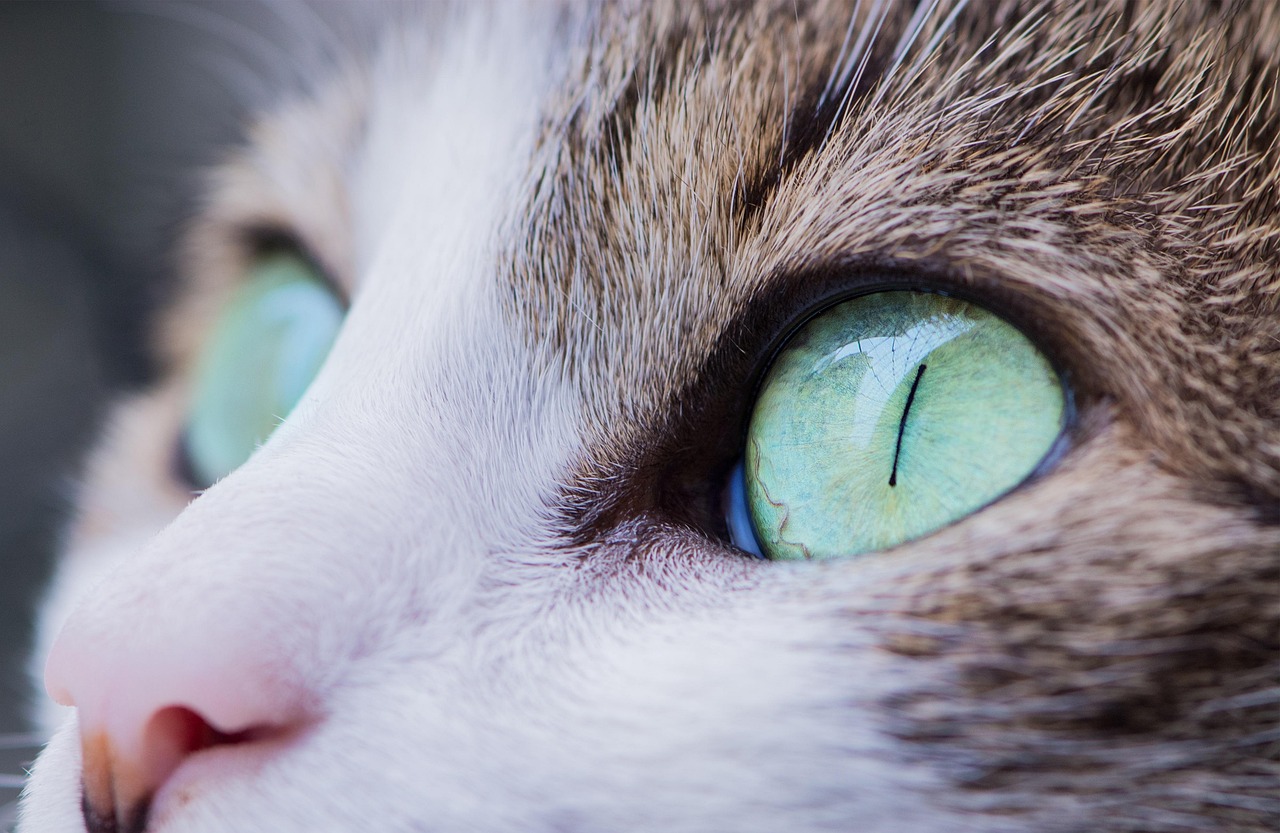

Does Cat Insurance Cover Pre-existing Conditions? The Truth
Cat insurance can be a valuable resource for pet owners, particularly in times of medical need. However, a major point of confusion arises when discussing pre-existing conditions. Many pet owners wonder if their cat’s pre-existing conditions will be covered by insurance. Generally, pre-existing conditions are recognized as any health issues present before the start of an insurance policy. This can significantly impact coverage and costs. Understanding the nuances of your policy is essential. If your furry friend has already been diagnosed with an ailment before enrollment, be prepared for potential issues regarding claims. Consulting with a qualified agent can provide clarity. It’s vital to read the policy thoroughly, focusing on details regarding what qualifies as a pre-existing condition, and what limitations are imposed on treatment and costs. For instance, certain policies may cover unrelated health issues that arise after the initiation of coverage. Always ask questions and clarify what may be ambiguous. By taking these measures, you can prevent surprises later. In essence, knowledge is your best tool in navigating the complexities of cat insurance.
Consequently, pet owners must be aware of specific definitions used by their insurance provider. Understanding how a company defines a pre-existing condition is crucial, as not all providers use the same terminology or criteria. For example, some may classify conditions that have resolved, as pre-existing, while others may not. This discrepancy can lead to misunderstandings and financial setbacks when trying to claim benefits. It’s essential to communicate clearly with your insurer about every aspect of your pet’s health history. Additionally, consider keeping detailed records of your cat’s veterinary visits and any major health events. Documentation can support your claims, particularly in understanding past health issues. While it might feel uncomfortable to discuss your cat’s ailments, providing accurate information at the start will help ensure you receive the coverage you expect. Furthermore, don’t hesitate to ask for a comprehensive explanation of the policy’s coverage limits after discovery of a pre-existing condition. Remember, being proactive and informed can significantly affect your experience with pet insurance and the health of your cat.
Evaluating Your Insurance Options
When it comes to evaluating your options in cat insurance, it’s essential to do thorough research. Pet insurance policies vary widely, focusing on both coverage and price. Some providers offer comprehensive plans that include accidents, illnesses, and even wellness visits. Others may have more limited offerings with exclusions for certain conditions, commonly including pre-existing conditions. When choosing a plan, consider factors such as your cat’s age, breed, and any existing health issues that might influence your selections. Furthermore, think about the financial aspects: what can you afford in terms of monthly premiums? Moreover, are there restrictions, such as annual payout limits or deductibles, that could hinder coverage? To make an informed decision, read independent reviews and analyses of cat insurance real policies, focusing on customer experiences to avoid any pitfalls. Recommendations from fellow cat owners can serve as additional guidance, providing unique insights based on firsthand experiences with various companies. This sort of diligence can result in selecting an insurance policy that truly meets your needs without surprises down the road.
Remember also that many pet insurance policies come with waiting periods that might vary by condition. This means that you cannot receive coverage for certain illnesses immediately after enrolling. Understanding these waiting periods is essential for timing your vet visits relative to your insurance. For example, if your cat shows symptoms of an illness immediately after signing up, you might be responsible for the entire treatment cost, as it falls into the waiting period. To wrap your head around the implications, don’t skip over the fine print in your insurance agreement; this is where critical information is often hidden. Insurance companies utilize waiting periods to manage the risk and ensure that claims are for unforeseen health issues. Thus, a thorough reading of your policy, along with communication with your insurer, will equip you with the best practices for claiming your benefits. In a nutshell, familiarize yourself with the waiting periods, and be mindful about when to engage veterinary services to ensure smooth processing of your claims.
Non-Covered Pre-existing Conditions
It is fundamental to understand the factors contributing to exclusions in coverage plans. Pre-existing conditions, as previously mentioned, are one of the most significant exclusions impacting policyholders. These may include any chronic conditions that existed before your insurance coverage commences. Common examples encompass diabetes, chronic arthritis, and prior surgeries. Many insurance providers will assess the history of these conditions and use them to determine eligibility for future coverage. Additionally, certain behaviors might lead to pre-existing condition labels. For instance, if your cat has had recurrent urinary tract infections, it could limit ongoing insurance coverage. To sum up, after evaluating your insurance options, scrutinize what is and is not included in the policy. Every pet owner must know these limitations upfront. Understanding the exclusions will help prevent frustration when it comes time to file a claim. Furthermore, this knowledge can prepare you for future veterinary expenditures. Learning about how certain conditions are perceived will guide you in managing your cat’s health effectively while ensuring that you maximize the benefits of your insurance coverage.
There are distinct differences in how various companies handle pre-existing conditions. Therefore, examining multiple providers and comparing their terms would be prudent. For cat owners with pets who have existing health concerns, investing time in researching the specifics can yield substantial benefits in the long run. Speak with representatives from different firms to get clarification on how they define pre-existing conditions and what documentation is required. Some companies may offer more favorable terms or may be more flexible regarding conditions that have been resolved. Additionally, some veterinary recommendations can influence how pre-existing conditions are classified, so it may be beneficial to consult your vet as well. By keeping abreast of coverage policies, you’ll arm yourself with knowledge that helps you advocate for your pet’s health effectively. Moreover, seeking out insurers that allow for the options of supplementals or add-ons can enhance and expand your overall coverage. Thus, ensuring your beloved companion receives top-notch care will hinge upon your understanding and diligence in choosing the right insurance.
Conclusion: Making an Informed Decision
Ultimately, cat insurance can be useful in managing the potential costs of veterinary care, provided that pet owners are well-informed. As evident, navigating pre-existing conditions can be daunting, yet knowledge will aid in selecting a suitable policy. By understanding what counts as a pre-existing issue and how different companies view these definitions, you can better prepare for the responsibilities of coverage. Being proactive when considering coverage for your cat involves discussions with both your veterinarian and insurance representatives. Always ask for clarifications where needed and seek to understand any potential gaps in your chosen policy. Furthermore, keeping dogs’ health history documented thoroughly is vital to avoiding misunderstandings later on. Making an informed decision regarding cat insurance, while perhaps involving hard work, can lead to better health outcomes for your feline companion. Be sure to review your policy annually and confirm that your coverage aligns seamlessly with your ever-evolving needs and those of your pet. Realizing that your cat’s health and the assurances of insurance walk hand-in-hand can offer peace of mind when seeking veterinary assistance.
Moreover, it’s critical to treat your pet insurance as an investment in their future well-being. Regularly assessing your policy against changes in your cat’s health, as well as advancements in veterinary medicine, can ensure that you provide the best possible care. In an era of rapidly advancing treatments and therapies, maintaining updated insurance coverage is paramount. Additionally, consider exploring wellness plans that cover routine care, as preventive measures reduce potential health issues down the line. Ultimately, proper insurance enables you to focus more on your pet’s comfort and enjoyment in life rather than the associated financial concerns. To summarize everything, familiarize yourself with your plan’s stipulations regarding pre-existing conditions, review that policy at every opportunity, and align it with your pet’s health trajectory. This strategic approach not only empowers you, but it also secures the best possible outcomes for your furry friend, allowing you both years of companionship and joy. By investing time and effort into understanding cat insurance, you can forge a solid foundation for a confident and high-quality life for your beloved pet.