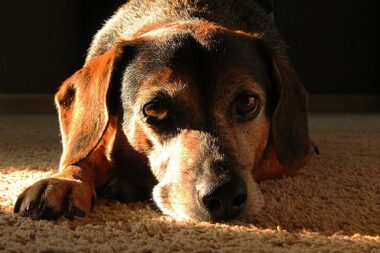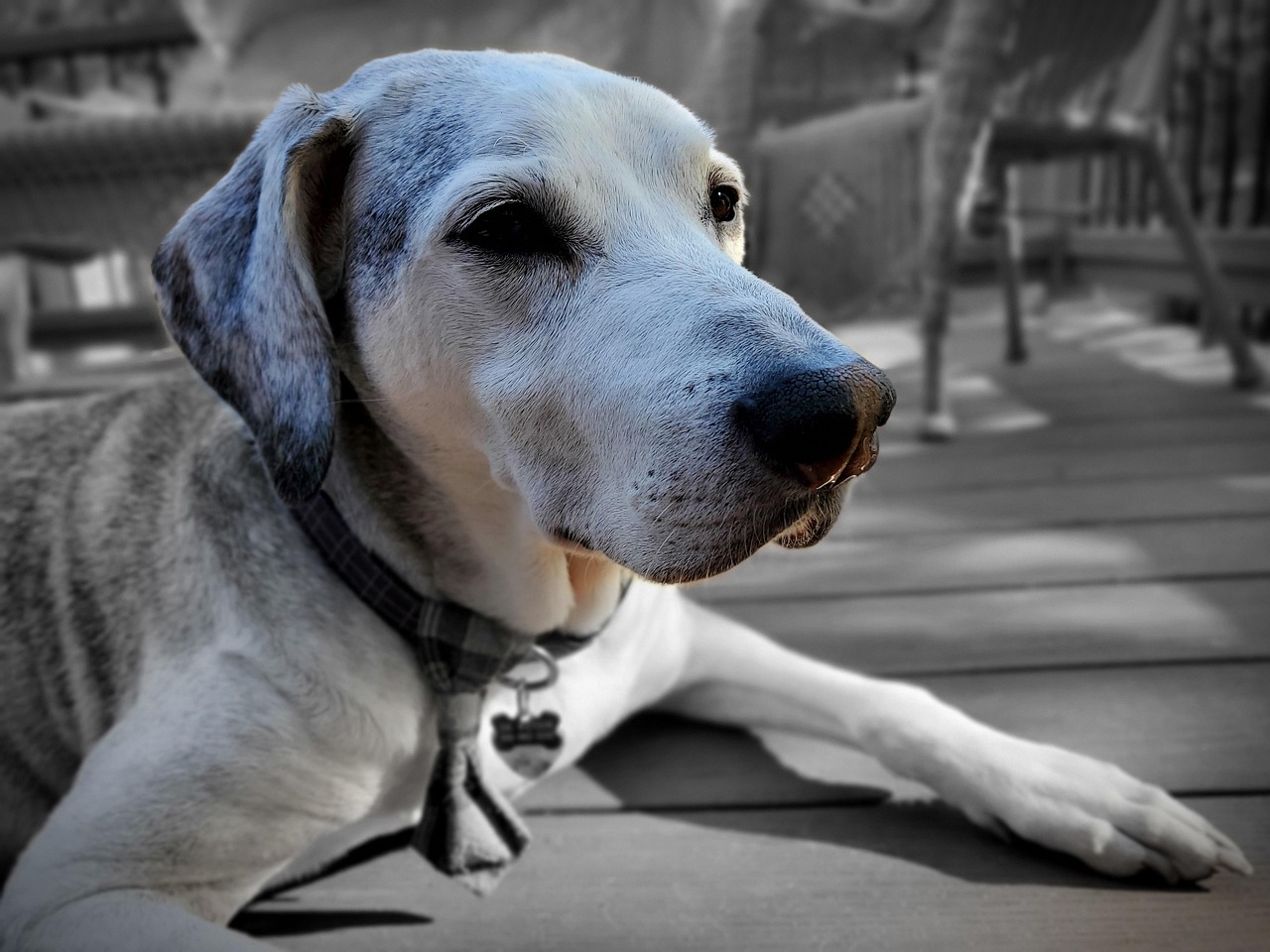

Managing Dry Eye Syndrome in Senior Dogs
As dogs age, they may face various health challenges, including eye conditions like Dry Eye Syndrome, or Keratoconjunctivitis Sicca (KCS). This condition arises when a dog’s tear production decreases significantly, leading to dry and irritated eyes. Older dogs are particularly vulnerable due to the natural decline in gland function. It’s crucial for pet owners to recognize the symptoms early. Indicators of Dry Eye include redness, excessive blinking, squinting, and a discharge from the eye. The lack of moisture can cause significant discomfort, resulting in potential damage to the cornea. Moreover, chronic inflammation can lead to further issues. Therefore, regular veterinary check-ups become vital in monitoring eye health. The vet can perform examinations to determine tear production capacity through laboratory tests. Understanding the risk factors specifically associated with senior dogs enhances proactive care. Many cases arise from immune-mediated conditions. Additionally, other factors may include certain breeds that are predisposed to eye issues. Pet owners need to be vigilant, ensuring that their beloved pets receive timely assessments for persistent symptoms that could gather into severe complaints.
Symptoms and Diagnosis of Dry Eye
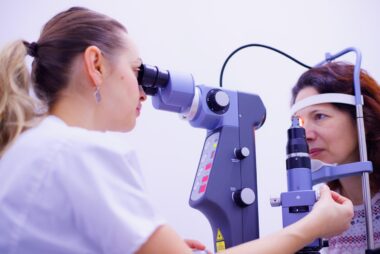
Recognizing the signs of Dry Eye Syndrome is essential for timely intervention. While symptoms can vary from one dog to another, common indicators include excessive tear film evaporation, eye rubbings, crusting around the eyes, and corneal discoloration. Dogs may also exhibit behavioral signs of discomfort like hesitancy toward bright lights or unusual eye-watering. Observing these symptoms closely can highlight potential issues that require veterinary attention. Diagnosis typically involves a thorough ocular examination, and your veterinarian may employ the Schirmer Tear Test to ascertain the tear production rate effectively. This test measures the moisture level in the eye over a specific time duration, providing critical insight into ocular health. If low production is confirmed, further investigations might be warranted to rule out underlying causes, such as infections or autoimmune disorders. Additionally, your veterinarian may perform a complete eye exam to assess corneal health thoroughly. Maintaining an open line of communication with your veterinarian allows for effective disease management. Educated pet owners are better equipped to facilitate treatment plans that can help alleviate dry eye symptoms and improve their dog’s quality of life.
There are multiple treatment options available for managing Dry Eye Syndrome in senior dogs, which can be tailored to each dog’s specific needs. Veterinary guidance is crucial in selecting the appropriate therapy to address symptoms. Artificial tear solutions, specifically designed to lubricate the eye, can provide quick relief and are usually the first line of defense. Prescription medications like cyclosporine may stimulate tear production, helping alleviate dryness. It’s critical to apply these therapies consistently and as directed to achieve the best results. In addition to conventional treatments, holistic approaches may be explored. Some dog owners consider omega fatty acid supplements aimed at improving tear quality; these can aid in overall eye health. However, always consult your veterinarian before introducing new supplements or treatments. Frequent monitoring of eye conditions is vital, especially in senior pets. Reassessing treatment effectiveness allows adjustments when symptoms persist, ensuring ongoing comfort for your pet. Overall, a proactive approach significantly enhances eye health management, which plays a crucial role in maintaining the well-being of aging dogs.
Environmental Factors Affecting Eye Health
Your dog’s environment can significantly influence their eye health, especially as they age. Dry climates, exposure to smoking, and irritants such as dust or fumes can exacerbate symptoms of Dry Eye Syndrome. Creating an optimized living space is essential to manage these conditions. Consider investing in a humidifier to maintain moisture levels indoors if you reside in arid areas. Regular cleaning and inspections can help eliminate allergens and irritants from your home. Additionally, avoid direct exposure to harsh sunlight for prolonged periods; providing shade and protective eyewear where necessary can be beneficial. Monitoring your dog’s outdoor activities also plays a vital role in preserving eye health. Limit exposure during peak pollen seasons, and be cautious in dust-prone areas. Regular grooming, combined with attentiveness to your dog’s overall hygiene, will promote their comfort and well-being. By supporting your senior dog’s environment, you reduce the likelihood of eye irritation. Daily care routines, including designated walking times, can ensure that your pet enjoys a comfortable and protected experience outdoors, leading to improved eye health outcomes.
The role of nutrition cannot be underestimated when it comes to maintaining eye health in senior dogs. A well-balanced diet contributes significantly to overall well-being and can impact tear production. Essential fatty acids, antioxidants, and vitamins such as Vitamin A and E can play vital roles in promoting ocular health. Tailoring your dog’s diet to include high-quality food rich in essential nutrients fosters healthy eye function. Some dog owners even explore specialized diets designed to promote eye health. Additionally, foods containing lutein and zeaxanthin can be beneficial due to their protective qualities against oxidative stress in the eyes. Before making any diet changes, it’s imperative to consult your veterinarian to ensure the selected food meets your dog’s specific needs. Regular veterinary nutritional evaluations can help identify possible deficiencies and recommend suitable supplements. Maintaining a dialogue about your pet’s dietary habits fosters good practices in senior dog care overall, allowing for necessary adjustments to adapt to their changing requirements. Proper nutrition complements other aspects of eye care, supporting long-term health for senior dogs.
Regular Vet Visits and Eye Care
Regular veterinary check-ups significantly impact managing dry eye in senior dogs. Routine examinations help identify any emerging ocular issues, allowing for early detection and intervention. Your vet may suggest tailored eye care protocols, including suggestions for cleaning routines. Moreover, discussing any changes in your dog’s behavior or eye symptoms offers valuable insight for treatment adjustments. It’s crucial to establish and maintain consistent veterinary visits, as annual or biannual check-ups can be critical for aging pets. Understanding the importance of preventive care enables you to manage their overall health effectively. Keeping an eye on medications, including specifically prescribed eye drops, becomes necessary to avoid lapses in treatment that may worsen symptoms. Implementing home care routines in conjunction with vet visits ensures comprehensive management strategies. Additionally, engaging in discussions about potential advancements in eye health treatments keeps you informed of the latest options available. When pet owners and veterinarians collaborate closely, it enhances outcomes and fosters better eye health for senior dogs, ensuring their longevity and happiness.
As a responsible pet owner, being aware of the emotional impact that health issues like Dry Eye Syndrome can have on your senior dog is essential. Changes in vision or discomfort can lead to behavioral shifts, potentially resulting in stress or anxiety. Recognizing early signs of these emotional responses helps address their needs proactively. Providing comfort through gentle handling, maintaining a calm environment, and offering companionship can go a long way in supporting your dog during this challenging time. Additionally, engaging them in relaxed activities enriching their lives and promoting mental stimulation is essential. Always communicate with your veterinarian regarding your dog’s emotional well-being and inform them of any observed changes. A consistent routine that includes affectionate care, structured activities, and applied therapies can significantly enhance emotional stability. Moreover, learning about support groups or resources for pet owners dealing with similar issues can provide valuable community assistance. Ultimately, ensuring a holistic approach to your dog’s health encompasses both physical and emotional aspects, promoting a richer quality of life as they age.
Conclusion on Senior Dog Eye Health
Ensuring the health and well-being of senior dogs with eye conditions like Dry Eye Syndrome requires a comprehensive approach that includes monitoring symptoms, early veterinary intervention, a balanced diet, and a supportive home environment. It’s vital for pet owners to stay informed about the potential risk factors and changes that may arise as their pets age. As responsible caregivers, understanding how to manage eye health allows for a more active role in your dog’s comfort and quality of life. Incorporating regular vet visits, dietary adjustments, and environmental considerations works effectively to improve outcomes over time. Through collaboration with veterinary professionals, owners can align their efforts to ensure optimal eye care. Staying alert to early signs or changes in behavior offers a proactive approach to treatment. With advancements in veterinary medicine, more effective management strategies are continually developed, granting hope for improved conditions and living experiences for senior dogs. Investing time, love, and resources into their care enables seniors to enjoy fulfilling lives. Overall, pet ownership obliges us to remain vigilant and compassionate while forming a well-rounded view of our furry companions’ health needs.