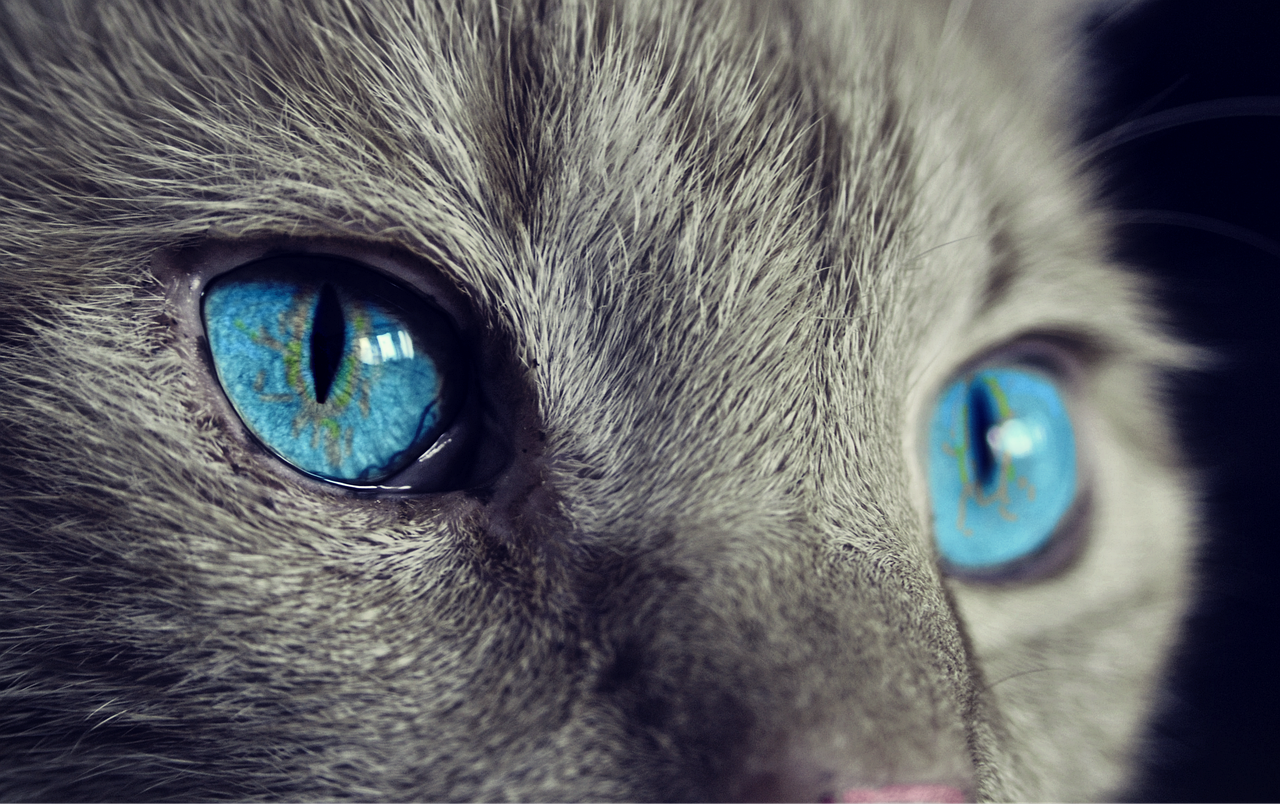

Nutrition and Its Effect on Cat Behavior
Understanding the link between nutrition and behavior in cats can profoundly influence pet owners’ approaches to managing aggression. Cats exhibiting aggression towards other pets may be responding to dietary deficiencies or imbalances in their nutrition. A proper diet is pivotal in supporting not just physical health but also mental well-being. Certain nutrients play a crucial role in mood regulation and emotional stability. Thus, ensuring a balanced diet can mitigate aggression. As pet owners, it’s vital to recognize that a cat’s aggressive behavior could stem from discomfort or distress resulting from an inadequate diet. High-quality protein, essential fatty acids, vitamins, minerals, and hydration are key components that require attention in your cat’s diet. Furthermore, consulting with a veterinarian or a pet nutritionist can help in creating a cat food plan tailored to the specific needs of your feline to reduce unwanted behaviors. Additionally, incorporating behavioral training alongside nutritional changes can yield positive results. By understanding dietary influences, pet owners can better equip themselves to foster a harmonious environment for both their cats and other pets.
Another significant aspect of cat behavior pertains to their social structures, which can be dramatically affected by nutrition. Cats are naturally solitary animals, yet many find themselves in multi-pet households. When introducing a new pet or maintaining harmony among existing pets, it’s crucial to consider the existing dietary habits. A common misconception is that feeding cats similar diets will prevent conflict. In reality, each cat’s nutritional needs may differ significantly, making it essential to cater for their individual dietary requirements. Offering meals that target their specific needs can minimize competition for food, which often escalates to aggression. It’s also beneficial to provide separate feeding areas to alleviate territorial disputes. Cats need secure access to food without feeling threatened by others. This practice not only ensures proper nutrition but also promotes a more peaceful coexistence. Cat owners should also remember the psychological effects of food. Positive reinforcement through treats during training can make a cat associate good experiences with their peers. Hence, thoughtful dietary management can bridge the emotional and nutritional needs of your cats, helping them establish a peaceful relationship with one another.
Next, let’s examine how hydration plays an integral role in reducing behavioral issues such as aggression in cats. Many cats do not drink enough water, leading to stress and potential urinary tract problems, which can contribute to irritability and aggression. Ensuring proper hydration can make a significant difference in a cat’s behavior towards other pets. As a cat owner, it’s essential to encourage drinking to maintain optimal health. One way to achieve this is by providing fresh, clean water at all times. Some cats prefer running water, which can be facilitated through the introduction of pet water fountains. These fountains not only encourage drinking but can also amuse your cat, reducing stress levels. Wet foods are another excellent option for hydration as they contain significant moisture content. Ensuring that hydration levels are addressed can lead to a calmer, more relaxed cat, which is less likely to exhibit aggressive behaviors towards other pets. Encouraging proper hydration can make a fundamental difference in fostering a peaceful home environment, allowing all pets to thrive together harmoniously.
The Role of Essential Nutrients
In assessing a cat’s behavioral issues, it’s imperative to consider the fundamental nutrients in their diet. Amino acids, particularly taurine, are crucial for a cat’s health. Deficiencies in this essential amino acid can lead to not just physical ailments but emotional distress as well. Cats that are lacking in taurine might display increased irritability and aggression. Including a protein-rich diet that offers adequate levels of taurine can help mitigate aggressive behaviors. Similarly, fatty acids such as omega-3 and omega-6 contribute to brain function and emotional balance, making their inclusion in a cat’s diet vital. Furthermore, B vitamins support a healthy nervous system, so making sure that your cat’s food contains ample amounts of these vitamins can help maintain calmness. When formulating a diet, it is also important to consider the quality of the food itself; high-quality ingredients yield higher nutritional value. Therefore, focusing on premium cat food brands can contribute to behavioral changes alongside improved overall health, reducing instances of aggression towards other household pets.
Investigating the implications of feeding schedules on cat aggression can shed significant light on behavioral problems. Cats thrive on routine and predictability, and irregular feeding times can cause anxiety and irritability. Establishing a regular feeding schedule can help your cat understand when to expect meals, thus reducing stress levels. When cats feel secure in their food availability, they are less likely to exhibit aggressive behavior towards other pets. Furthermore, it’s important to recognize that portion control is equally consequential to feeding practices. Overfeeding can result in obesity, leading to health issues that may affect mood and behavior, culminatively fostering aggression among pets. Establishing feeding routines and controlling portions can help motivate your cat to feel satisfied, thereby promoting emotional stability. Owners should also consider gradual changes to each pet’s diet or routine, implementing adjustments slowly to monitor reactions. This will aid in discerning any potential triggers for aggression, allowing owners to make informed decisions. A well-thought-out feeding strategy plays a crucial role in shaping behavior and making the household environment peaceful and equitable for all its residents.
Lastly, it’s essential to emphasize the significance of behavioral enrichment and its interaction with nutrition in addressing aggression. A well-nourished cat should also receive physical and mental stimulation. Engaging play helps channel energy positively, reducing restlessness that can lead to aggression. Offering toys, climbing structures, and interactive games can keep cats entertained, leading to reduced tension in multi-pet environments. Furthermore, providing various treats during playtime can reinforce the positive association between social interaction and food, enhancing their connection with other pets. However, it is crucial to use treats judiciously to avoid excessive calorie intake or unhealthy weight gain. Incorporating food puzzles can serve as an excellent way to stimulate a cat mentally while rewarding them for their efforts. Thus, by marrying appropriate nutrition with enriching activities, cat owners can create a nurturing environment that minimizes aggressive behaviors. Comprehensive strategies to foster good behavior can significantly improve pet relationships and the overall atmosphere within a multi-pet household. Remember that both physical and mental well-being are paramount for healthy, happy cats.
In conclusion, navigating the complexity of aggression in cats requires a holistic approach that considers nutrition, hydration, and behavioral enrichment. Cat owners must recognize the profound impact dietary choices can have on feline behavior, especially aggression towards other pets. Striving for a balanced diet rich in essential nutrients is crucial, alongside ensuring consistent feeding practices to maintain stability. Tailoring meals to meet individual needs, providing ample hydration, and accommodating for behavioral enrichment will collectively contribute to a more harmonious living situation. As habits change and the diet improves, pet owners may witness a noticeable shift in their cat’s demeanor, leading to a more peaceful household. Committing to ongoing education about feline nutritional and emotional needs is essential for long-term success. Additionally, working closely with veterinary professionals can optimize dietary strategies and address behavioral issues effectively. By prioritizing nutrition and its connection to behavior, pet owners can cultivate environments where all pets cohabitate peacefully. The effects of these changes can lead to healthier and happier feline companions.