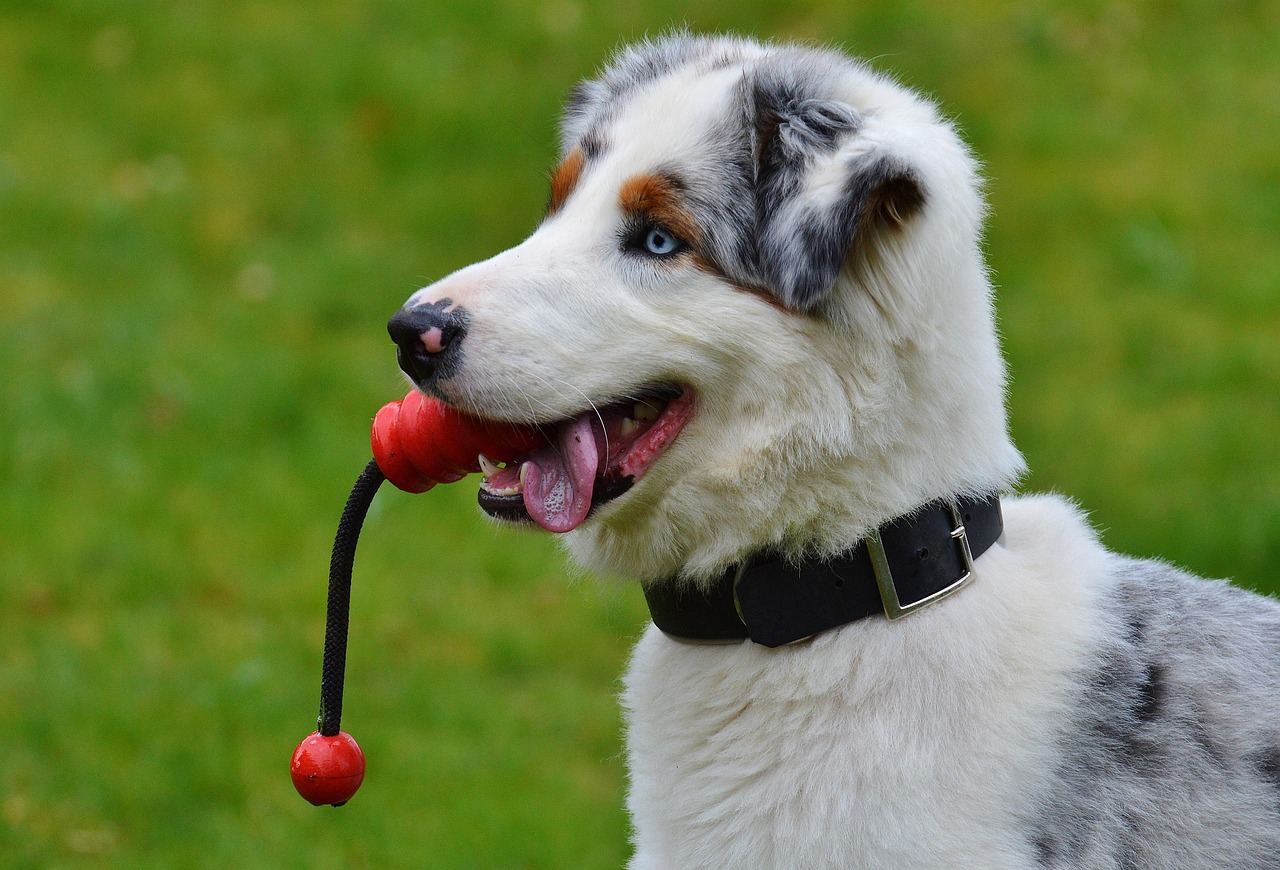

Play and Exercise: Combating Canine Boredom Effectively
Dog play behavior is a crucial aspect of maintaining a happy and healthy pet. Dogs, just like humans, require physical and mental stimulation to alleviate boredom. Boredom in dogs can lead to destructive behaviors such as chewing, digging, and excessive barking. Owners can combat this issue by incorporating engaging play routines into their dog’s daily lives. Regular play not only prevents boredom but also strengthens the bond between the pet and owner. Activities like fetch, tug-of-war, or hide-and-seek stimulate both physical and mental skills. Furthermore, introducing toys that challenge your dog’s instincts, such as puzzle toys or treat dispensers, can significantly enhance their playtime experiences. It’s essential to tailor these activities according to the dog’s age, size, and preferences. Remember that every dog is unique; what excites one may not work for another. Therefore, observe your dog’s reactions to various activities and adapt accordingly. Responsible dog owners should strive to establish a consistent exercise routine that keeps their pets eagerly waiting for playtime. This practice will nurture healthier behavior while ensuring that your dog remains active and engaged throughout the day.
Understanding your dog’s play behavior can significantly enhance your training efforts. Play is not merely an enjoyable pastime; it serves as a critical avenue for socialization and learning. Through play, dogs can interact with their environment and practice skills necessary for adult life. For example, puppies engage in play fighting to learn bite inhibition. Appropriately supervised, this behavior teaches them how to control their mouth during interactions. In contrast, a lack of play could lead to fear or aggression, especially in a multi-pet household. It’s essential to monitor your dog’s body language during play to avoid misunderstandings that might escalate into conflicts. Play should always be enjoyable, without stress or anxiety. Recognizing signs of overstimulation is vital. For instance, if your dog begins to growl or displays tense body language, it may be time to end the session. Balance is key in dog play behavior; short and frequent play sessions are usually more effective than one long session. This approach allows for ample rest periods and minimizes the chance of injury. Ultimately, each aspect of play contributes to shaping a well-adjusted, balanced canine companion who thrives on physical activity and interaction.
Incorporating variety into your dog’s exercise regime can prevent boredom and keep them engaged. Just like humans, dogs can become tired of the same activities, leading to disinterest. Therefore, it’s essential to mix things up regularly. Some techniques include changing the location of your walks or introducing new toys that challenge your dog’s thinking skills. Taking trips to different parks or dog-friendly public spaces allows for unique exploration opportunities. Allowing your dog to encounter new smells and sights keeps their curiosity piqued. In addition to traditional fetch games, consider engaging your dog in agility training or canine sports, which offer not only physical exercise but mental challenges as well. Moreover, incorporating interactive playdates with other dogs can offer socialization while breaking the routine. Dogs thrive in the company of their peers, and these interactions can enhance their overall demeanor. Lastly, don’t forget about incorporating training sessions as play. Teaching tricks or commands through positive reinforcement techniques makes learning fun and rewarding. Overall, having a variety of activities will ensure that your dog is both entertained and exhausted, ready to enjoy a quiet evening at home with you afterward.
Interactive Toys and Their Benefits
Investing in interactive toys can significantly enrich your dog’s playtime experiences. These toys are designed to challenge a dog’s intellect and curiosity, offering both mental stimulation and physical activity. For instance, puzzle toys encourage problem-solving skills while keeping your dog engaged for extended periods. They require your dog to figure out how to retrieve a treat hidden within the toy. This aspect promotes natural foraging instincts that can curtail boredom. Additionally, treat-dispensing toys provide a fun and rewarding challenge during play sessions. As your dog rolls and nudges the toy, it releases kibble or treats, reinforcing their efforts. Furthermore, these toys are perfect for when you’re away or busy, allowing your dog to entertain themselves independently. Another option includes tug toys that encourage interactive play between you and your dog. Not only does this foster a strong bond, but it also allows for the expression of natural instincts in a safe environment. Always supervise playtime with any toys to ensure your dog’s safety. By introducing interactive toys, you’re not just combating boredom; you’re also promoting a more stimulating and fulfilling lifestyle for your canine friend.
Establishing a routine for daily exercise is vital for your dog’s mental and physical well-being. Regular play times enable your pet to anticipate engagement and structure their day. A consistent schedule can help manage their energy levels and instill positive habits, making them more relaxed when it’s downtime. Early morning walks or play sessions can set a positive tone for the day, while evening play can help expend excess energy before bedtime. Consider the types of activities to incorporate into your routine, as both high-energy and low-energy play can be beneficial. Activities such as running, swimming, or playing ball constitute high-energy exercise, while leisurely walks and sniffing sessions cater to more subdued afternoons. Tailoring these activities based on the weather or your dog’s mood is also valuable. On hot days, shorter, more frequent exercise sessions can be safer. During colder months, engaging activities indoors can help maintain consistent exercise levels. Don’t be afraid to involve family members in your dog’s exercise routine, as group activities can create a stronger bond and maintain an enjoyable atmosphere. Creating a balanced routine enhances your dog’s overall happiness and health, combating potential boredom effectively.
Choosing the Right Playmates
Selecting suitable playmates for your dog is crucial in fostering good social behavior while avoiding conflicts. When introducing a new dog, consider their size, age, and temperament in comparison with your own pet’s characteristics. A small, timid dog may not thrive during play with a large, boisterous breed, while a shy dog might be overwhelmed in a pack setting. Gradual introductions are essential; allow both dogs to become familiar with each other’s smells and presence before engaging in play sessions. Obedience training is equally significant in ensuring an enjoyable experience. Dogs that have mastered basic commands are more likely to engage in playful interactions instead of chaotic risks. Keep playdates short at first and watch for signs of stress or discomfort. Each dog has its own playstyle; some may prefer chasing, while others enjoy wrestling or retrieving. Encouraging appropriate play is possible through redirection if necessary. Moreover, canine playgroups can offer opportunities for socialization in a controlled environment. Ultimately, with proper management of playmate selection, you can provide a safe and enriched experience that develops well-socialized and more confident dogs.
Boredom can also be combated through engagement in structured activities that utilize both physical and mental skills. Activities like obedience training or trick training not only develop your dog’s skills but also serve as forms of interactive play. Dogs love the bond created through the focused attention of their owner. Engaging in regular training sessions infuses your pet’s schedule with purpose, resulting in improved discipline and companionship. Moreover, these sessions can enhance cognitive function, as dogs learn new commands and exercises that stimulate their minds. Getting involved in dog sports, such as agility or flyball, also adds another level of excitement. These activities provide both physical exercise and the thrill of competition, bonding you and your dog even more. Additionally, therapy or service dog training can give a sense of purpose while offering crucial social interaction opportunities. Always approach training and structured activities positively, emphasizing rewards and praise over strict discipline. This mindset fosters a love for learning and a strong relationship. Ultimately, including diverse structured activities can significantly decrease boredom while fostering a happy, well-adjusted canine companion that thrives on engagement and companionship.