
Addressing Cat Dental Issues in Homes with More Than One Cat
In multi-cat households, managing cat dental care can present unique challenges. Cats have a tendency to engage in behaviors influenced by social interactions, leading to varying dental hygiene among them. It’s important to understand that dental diseases are common in household cats, and they can escalate if left untreated. To create a successful dental care regimen, pet owners should start by educating themselves about proper oral hygiene practices. Regular vet visits for dental check-ups can assist in early detection of potential issues. Additionally, offering dental-friendly foods can aid in maintaining healthier gums and teeth. The use of dental treats and water additives specifically formulated to promote oral health can also be helpful. An interactive environment with enforced playtime can reduce stress levels, which may otherwise lead to neglect of dental maintenance. Furthermore, introducing supervised tooth brushing as part of the daily routine can foster positive habits. Learning the signs of dental distress, such as changes in eating behaviors or excessive drooling, is vital for quick intervention. Hence, providing a well-rounded approach to dental care is essential for the wellbeing of all cats.
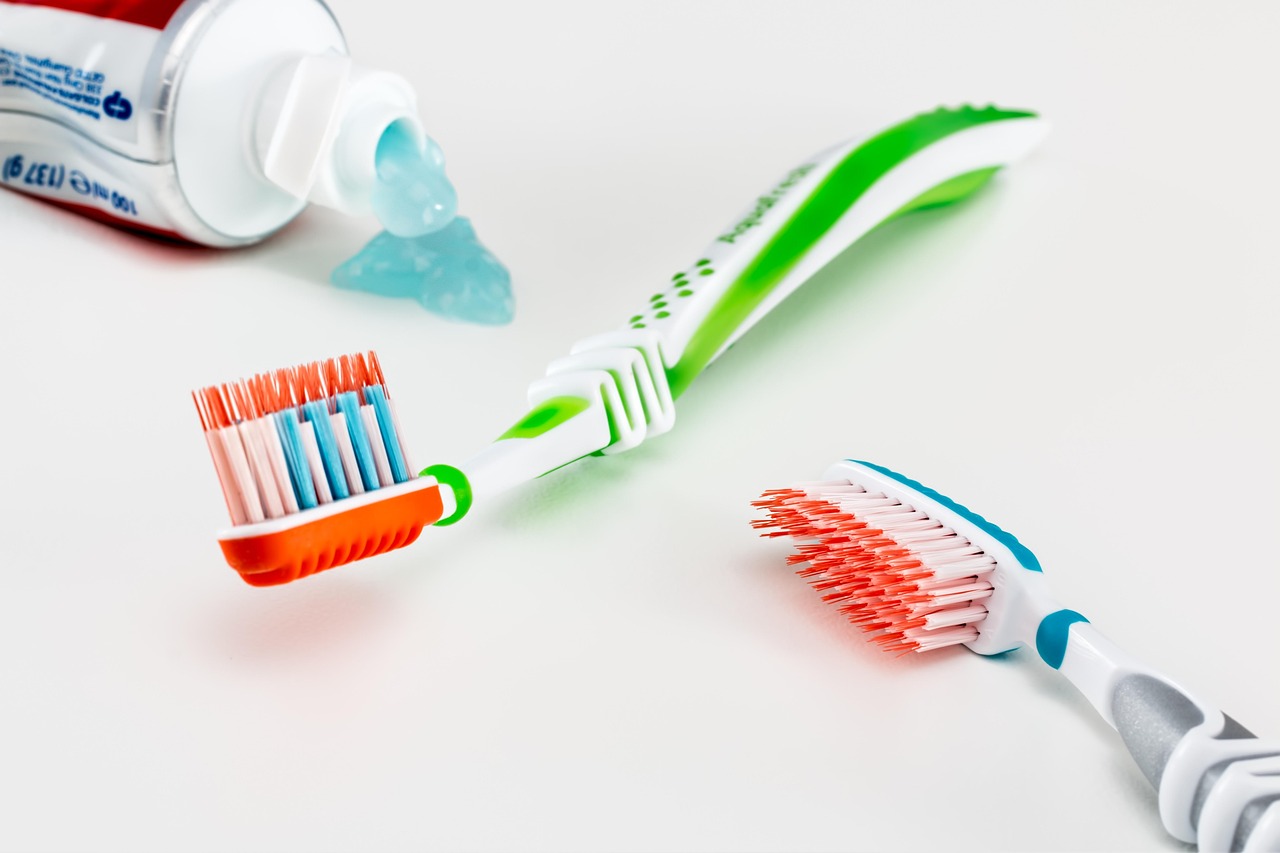
Implementing a dental routine in a multi-cat environment requires careful planning. To ensure each cat receives appropriate attention, designate a specific area for their dental care activities. This minimizes distractions and keeps the atmosphere calm. Start by having the necessary dental care tools on hand, such as toothpaste specifically made for cats, a soft-bristled toothbrush, and dental chews. Consistently introducing these tools helps cats associate dental hygiene with positive experiences. In addition to this, it is beneficial to schedule dental check-ups at intervals recommended by your veterinarian. Utilize these visits to discuss any specific concerns regarding your cats’ dental health and to receive guidance tailored to your unique situation. Create a reward system for your cats after they participate in their dental routines to reinforce positive behavior. Engaging with each cat personally can help build trust and reduce their anxiety about the process. Performance of basic dental care encourages owners to remain diligent and proactive regarding their pets’ health. Through this structured approach, maintaining dental health in a multi-cat household becomes feasible and effective.
Understanding the signs of dental disease in cats is crucial for effective care. Some common indicators include bad breath, excessive drooling, and difficulty eating. Observing your cats closely during mealtime can provide insights into their dental well-being. If you notice a reluctance to chew or excessive pawing at their mouths, these may be warning signs. Regularly inspecting your cat’s teeth and gums can also offer valuable clues. Healthy gums should appear pink and firm, while any redness or swelling may indicate issues. Ensuring a consistent routine for monitoring dental health is essential, especially in multi-cat households, where signs can be easily overlooked. Different cats may have varying tolerance levels for discomfort, making it important to recognize individual behavior changes. Additionally, tracking changes through a journal about their eating habits and dental health can help with monitoring trends. Identifying patterns can also assist veterinarians during check-ups. Combined with regular professional dental cleanings, this proactive approach aids in sustaining overall health. This ongoing vigilance is especially vital when many personalities are interacting in a shared living space.
Dietary Considerations for Dental Health
Nutrition plays a significant role in maintaining the dental health of cats. In multi-cat households, owners must choose foods that support oral hygiene while catering to every cat’s preferences. Dry kibble helps scrape away plaque, but not all cats will enjoy or thrive on dry food alone. This is particularly important when considering unique dietary requirements based on age or health status among the cats. Integrating wet food options can enhance hydration but may contribute to plaque buildup if not balanced correctly. Serving dental-specific treats designed to combat tartar can also be a strategical choice. Following the guidelines set by pet foods that promote dental care ensures that each cat receives appropriate nutrients while supporting their dental hygiene. When transitioning to new diets or treats, gradual adjustments allow cats to adapt without gastrointestinal upset, ensuring acceptance among even the pickiest eaters. Engaging with pet nutritionists or veterinarians can yield personalized recommendations that address individual needs. Consequently, a well-balanced, thoughtful dietary approach provides a foundation for fostering a healthy mouth across multiple feline companions.
In a household with multiple cats, creating a positive association with dental care is essential. Start by making the experience enjoyable for each cat through positive reinforcement techniques. Gradually introduce toothbrushes and cat-friendly toothpaste, allowing them to sniff and lick the products without pressure. Practicing patience and rewarding them for participation is key to a successful routine. Engage in gentle, short sessions, gradually increasing the duration as they become more comfortable. For cats refusing direct brushing, exploring alternative options can maintain oral hygiene. Consider dental treats or oral rinses as interim solutions that can encourage consistent care. Another crucial aspect is fostering a stress-free environment; calming pheromones can help create a soothing atmosphere during dental sessions. Enthusiastically praising your cats for their bravery can aid in building confidence. If necessary, involving multiple family members or carers to manage dental health can distribute the workload and maintain focus. Furthermore, regular veterinary guidance on the best practices can enhance knowledge and reassess techniques when needed. Through engaging practices, dental care evolves into a bonding experience rather than a chore.
Veterinary Guidance for Multi-Cat Households
Regular veterinary check-ups are vital in managing dental health within a multi-cat household. Working closely with a veterinarian who understands the dynamics between your cats can provide personalized insights on maintaining their dental care. During visits, request thorough dental evaluations that include cleaning, scaling, and examination of the teeth and gums. Feedback from the veterinary team can inform you about specific concerns and tips tailored to your cats’ needs. Scheduling dental cleanings at least once a year helps to prevent the buildup of plaque and tartar. In certain cases, older cats or those with pre-existing conditions may require more frequent visits. Educating yourself on the signs of dental problems will allow you to engage with your veterinarian proactively. Collecting information from your veterinarian about suitable dental diets, treats, and products that reinforce oral health aids in developing a consistent routine. Additionally, discussing procedures such as professional dental cleanings can be valuable. This emphasizes the importance of making vet visits a priority in overall cat care, ensuring their health is continuously monitored.
Maintaining a group dental care approach in a multi-cat household can bring clarity to routine management. Utilize a shared calendar that marks dental care tasks such as brushing sessions, feeding times for dental food, and vet appointments. Keeping track of each cat’s progress will ease the monitoring of their dental health. Find creative ways to incorporate dental care into daily interactions with your cats. For example, turn brushing time into a fun game that encourages cooperation from each cat. Regular participation helps establish a sense of participation among every cat in the household. Sustaining motivation can also involve joining an online community of multi-cat owners where shared experiences, resources, and tips on dental care can enhance your regimen. Staying informed while exchanging stories with others provides encouragement and additional strategies for success. Ultimately, having all members of the household involved and informed creates a collaborative environment. Through ongoing communication and support, dental care becomes a routine that benefits all the cats. As a result, this not only supports their dental health but overall happiness and well-being.
Summary and final thoughts culminate in recognizing the necessity of addressing dental care challenges in multi-cat households. Each cat has unique needs, and maintaining their dental hygiene requires effort from everyone involved. Utilizing various approaches such as dedicated dental practices, fostering a stress-free environment, and staying informed through veterinary guidance collectively contributes to healthier teeth and gums. Engaging each cat in the process through positive reinforcement encourages them to form good habits. Establishing routines can simplify tasks and create enjoyable moments, enhancing the bond between cats and their owners. Monitoring behaviors related to dental health allows early identification of potential issues. By sharing ideas with fellow cat owners, expanding knowledge about innovative solutions, and promoting effective techniques can enhance dental care efforts. Prioritize dental assessments during veterinary visits to address specific care needs tailored for your feline companions. Ultimately, a proactive strategy in managing dental care will ensure the longevity of cats’ overall health. In conclusion, when cats are cared for collectively with awareness, their dental health improves significantly, leading to a happier and healthier multi-cat household.