
Avoiding Common Mistakes When Buying Puppy Feeding Bowls
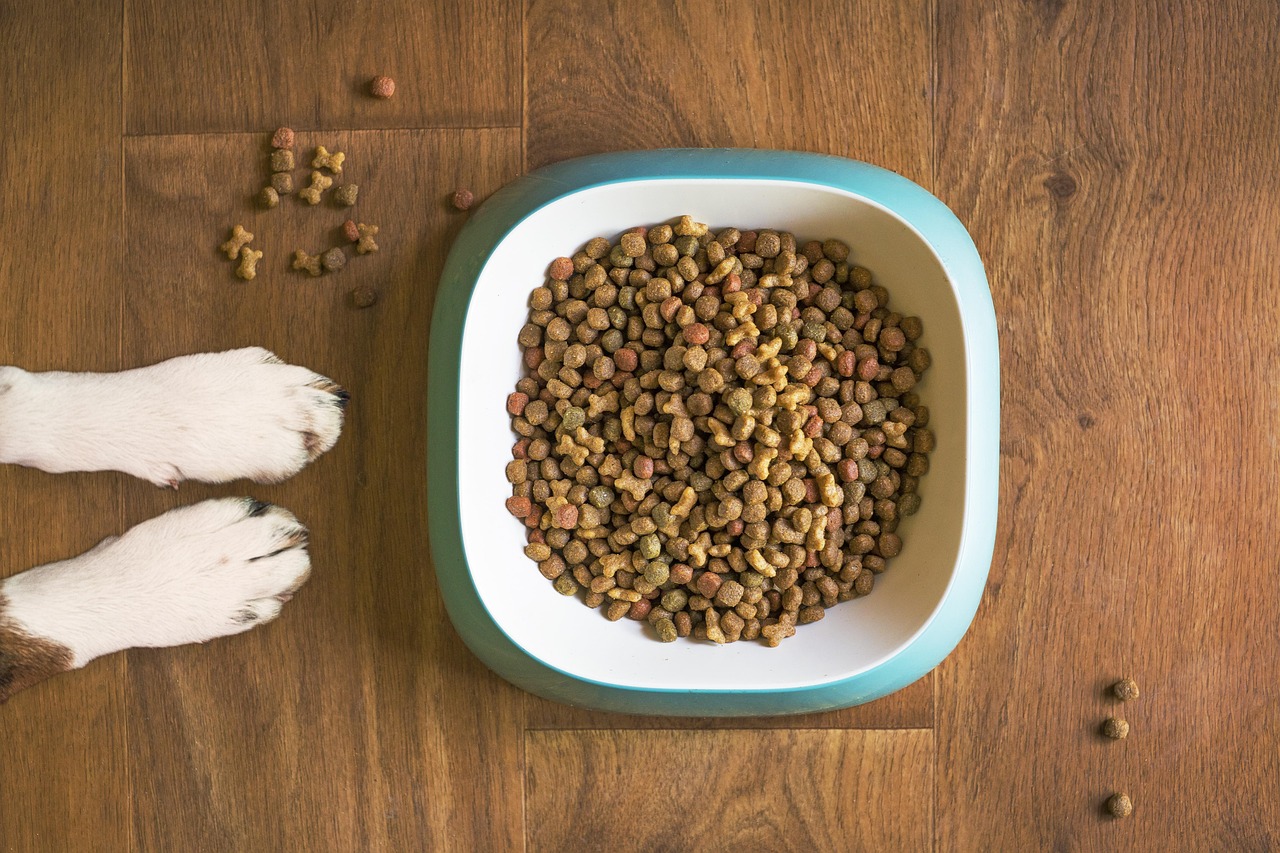
When you’re welcoming a new puppy into your home, selecting the right feeding bowl is crucial for both health and convenience. Many new puppy owners overlook critical factors when picking feeding bowls. It’s essential to prioritize the right size, material, and depth for your puppy’s specific breed. The ideal bowl should accommodate your puppy’s size and feeding habits, ensuring they eat comfortably. A common mistake is purchasing bowls that are too shallow or deep. Shallow bowls may not hold enough food, while deep bowls can frustrate small puppies. Considering the height of the bowl from the floor can also aid in proper feeding posture. Look for bowls that are dishwasher safe, as this simplifies cleaning and maintains hygiene. Steel bowls are preferable as they are durable and resistant to bacteria. Avoid plastic, as it can hold odors and cause allergies. Furthermore, don’t forget to observe your puppy while they eat; a suitable bowl decreases spills and mess. A well-chosen feeding bowl will enhance your puppy’s meal experience and contribute to their overall well-being. In the following sections, we will discuss further important considerations to keep in mind.
Size Matters: Finding the Right Fit
Choosing the appropriate size for your puppy’s feeding bowl can’t be taken lightly, as it significantly affects their feeding experience. Start by considering your puppy’s breed and size, which will influence the bowl’s diameter and depth. A bowl too large may make it challenging for petite puppies to access their food, while an excessively small bowl can lead to unintentional hunger. Measure your puppy’s snout length and width to determine an ideal size. It’s best to opt for adjustable bowls that can grow with your puppy, as puppies can quickly transition from small to larger breeds. For small breeds, a bowl depth of around two inches is often adequate, while larger breeds may require more depth. Seek bowls with a non-slip bottom, preventing mess during mealtime. It’s crucial to give your puppy enough space to munch comfortably without feeling cramped. Also, observe for signs of discomfort; if your puppy struggles or hesitates, the bowl size may need adjusting. Prioritizing the right fit not only enhances meal enjoyment, but it contributes to good feeding habits.
Material choice is another key factor parents should consider when selecting feeding bowls for their puppies. Bowls come in various materials like ceramic, stainless steel, and plastic, each with distinct benefits and drawbacks. In particular, stainless steel is often recommended for its durability and hygiene-friendly nature. Unlike plastic, stainless steel is less likely to harbor bacteria or absorb odors. It’s crucial to avoid materials that may cause allergic reactions, particularly plastic, which is common. Allergic responses can lead to discomfort for your puppy. Ceramic bowls can also be a good option, particularly aesthetically, but ensure you select lead-free types that are dishwasher safe. Furthermore, consider the weight of the bowl; lightweight bowls can easily be flipped by energetic puppies during meal times. Choose heavier bowls that stay in place, reducing messy spills. Always check the bowl for sharp edges or chips to ensure your puppy remains safe while eating. Selecting the right material can significantly impact your puppy’s feeding habits and prevent future complications.
Another common mistake made when purchasing puppy feeding bowls is neglecting the bowl’s depth. A bowl that is too deep can be difficult for puppies to access their food comfortably, leading to frustration during mealtimes. Puppies explore their world through their mouths, so enabling easy access is crucial. Ideally, opt for bowls that are not excessively deep, keeping around two to four inches in depth suitable for most breeds. The depth aids in ensuring that your puppy can actually reach the food without unnecessary effort. Additionally, a shallower bowl allows for easier observation of how much food your puppy consumes. Monitoring food intake is essential for health, as it helps detect any changes in appetite that may indicate health concerns. Always choose bowls that are adequately wide, which can help reduce the height and make it easier for your puppy. Eventually, you want feeding times to be a pleasant experience for your furry friend. Remember that puppy feeding should be enjoyable, and a well-designed bowl contributes significantly to this.
Cleaning and Maintenance Considerations
Keeping your puppy’s feeding bowl clean is paramount for their health and well-being. Many new puppy owners often overlook the importance of maintaining hygiene, leading to potential health issues for their pets. Choose feeding bowls that are easy to clean and resistant to bacterial buildup. Stainless steel bowls are often dishwasher safe, making them a top choice for busy dog owners. Regular cleaning should be part of your puppy’s feeding routine, washing their bowls daily to remove any leftover food particles and bacteria. It’s important to avoid using harmful cleaning products which could leave residues in the bowl; opt for mild dish soap and warm water instead. Furthermore, regularly inspect the bowls for wear and tear. Even minor scratches in plastic bowls can harbor bacteria, so consider replacing them periodically. Setting a cleaning schedule also helps ensure consistency and a healthy eating environment for your puppy. Always encourage a clean eating space, as this promotes healthy eating habits that can impact your puppy’s overall health.
Consider the weight and stability of your puppy’s feeding bowls to ensure a hassle-free mealtime. Many puppy owners mistakenly choose lightweight bowls, thinking they are easier to store and manage. However, lightweight bowls can easily tip over or be pushed around by enthusiastic eaters during meals. Opting for heavier materials can prevent these issues, allowing for more stable feeding. Furthermore, some bowls are designed with rubberized bottoms that grip the floor, preventing movement during feeding times. It’s essential to focus on stability, as a stable bowl encourages a more enjoyable experience for your puppy who will learn to eat comfortably without mess. Remember, a secure feeding area can promote confidence in timid eaters. Additionally, consider elevated feeding bowls for larger breeds, as they offer improved posture during meals, easing their access. But don’t forget that puppies who are still growing may not need elevated options right away. Ensuring your puppy’s bowl remains stable is integral to their feeding success and overall meal satisfaction.
Observations During Feeding Time
Finally, observing your puppy during feeding time can provide insights into whether you’ve made the right choice in feeding bowls. This stage is crucial as puppies often show their preferences and comfort levels when eating. Look for signs of discomfort or struggle, which may indicate that the bowl you chose may not be suitable or ideal for your puppy. If your puppy seems hesitant or avoids the bowl, it’s essential to analyze the issues. Perhaps the bowl is too deep, or the material does not sit well with them. Take note of how your puppy’s body language changes during feeding; this can indicate their level of enjoyment or annoyance. Additionally, tracking the amount of food consumed can alert you to any unforeseen health issues. If your puppy is consistently leaving food or seems to be struggling, it’s time to rethink your selection. Take these observations seriously, as they contribute significantly to your puppy’s overall happiness and feeding behavior. Ultimately, being attentive to your puppy’s needs will help make mealtime a positive experience.
In conclusion, selecting the right puppy feeding bowls is more than just a purchase; it involves careful consideration and understanding of your puppy’s needs. From sizing and material choice to maintaining cleanliness and observing behavior during meals, every detail counts in creating a healthy environment for feeding. Don’t shy away from experimenting with various bowl types until you find the perfect match. Remember that the implications of your choices affect your puppy’s health and overall happiness. Investing time in researching and selecting the right feeding bowls will pay dividends in your puppy’s well-being and comfort. It’s all part of nurturing a loving relationship with your new furry family member. Take the time to carefully observe and analyze your puppy’s feeding habits, as this will guide you toward making the best decisions. Your puppy deserves a pleasant mealtime experience that enhances their health and strengthens your bond. Consider these points, and you will create a supportive feeding environment that contributes to your puppy’s happiness and well-being.