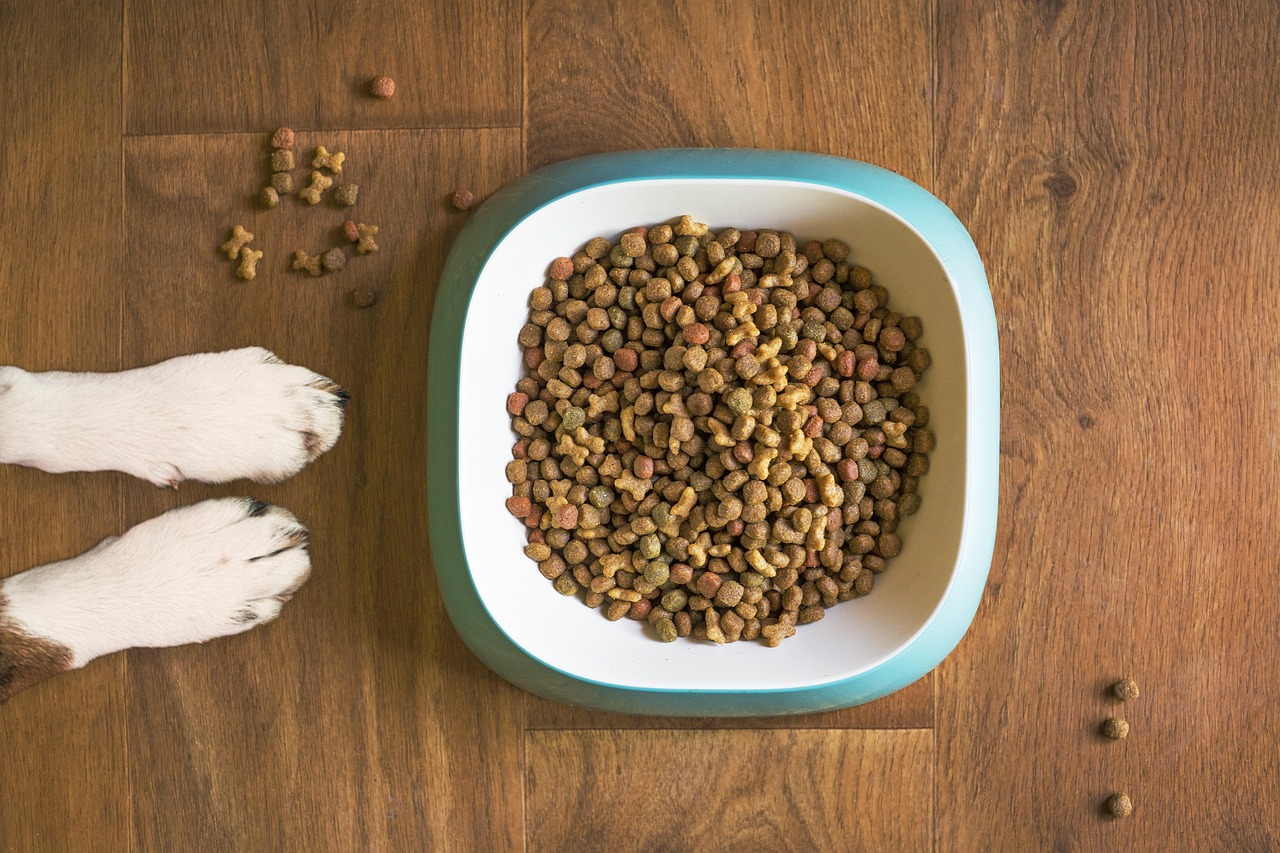

Choosing the Right Treats to Motivate Your Dog
When it comes to training your canine companion, the right treats can make a significant difference. It is crucial to select treats that are not only tasty for your dog but also healthy. Using treats as a reward during training helps reinforce good behavior and encourages repeat performance. First and foremost, look for treats specifically designed for training; these are usually small and low in calories. This way, your dog can enjoy multiple treats without overwhelming its diet. You may want to consider your dog’s dietary restrictions and preferences. If your dog has allergies, it’s important to choose hypoallergenic options. Additionally, consider the crunchiness of the treats, as a softer treat may be quicker for your dog to eat, leading to interrupted training sessions. Homemade treats can be an excellent option, allowing you to control the ingredients. Engaging your dog in the selection process can also enhance their motivation. Ultimately, the best treat will be one that your dog loves, is healthy, and is appropriate for the specific training session.
Your dog’s motivation is crucial for successful training. To keep your pet engaged, you must choose treats that will excite them, creating a strong association with good behavior. Many dogs respond well to protein-rich treats, which may include chicken or beef bites. Experiment with various flavors to determine which ones your dog finds most appealing. Also, consider the size of the treats. Smaller treats are often better suited for training sessions, allowing you to issue more rewards without overfeeding. Nonetheless, keep in mind that the presentation of the treat matters too. Use different shapes or colors, as dogs often respond better to visually appealing items. Another aspect to remember is the timing of the rewards. Offering treats immediately after a command can help your dog associate the action with the positive attribute. Always remember to balance the use of treats with praise and affection. Positive reinforcement as a complete package, blending treats with verbal encouragement, can significantly enhance your dog’s learning experience. Incorporating these aspects into your training routine will ensure your dog remains motivated throughout the process.
Natural Ingredients Count
Many pet parents may overlook the importance of natural ingredients in dog treats. Selection should include wholesome and natural components that not only taste good but also contribute to your dog’s overall health. When shopping for treats, always read the labels thoroughly. Natural ingredients without preservatives enhance your dog’s physical wellbeing. Avoid treats with artificial colors or flavors that can lead to health issues over time. Opt for options that have recognizable ingredients, such as whole meats, vegetables, and grains. Organic treats can provide added benefits, ensuring your dog receives high-quality nutrition. Giving your dog treats made with ingredients you can verify promotes trust and safety. Some dogs may require treats with limited ingredients to avoid allergies or sensitivities, and those should be your priority too. Don’t hesitate to ask your veterinarian about the best food options available. Healthy treats not only keep your dog safe but also offer an opportunity for training flexibility. They need balanced nutrition to learn effectively, and the right treats will ensure they flourish during your training sessions.
Another consideration in choosing training treats is the method of delivery. Different dogs respond to varying methods, such as hand delivery versus using a treat pouch. Training pouches allow quick access while keeping your hands free to guide your dog. If your dog is more motivated by free rewards, placing treats near training areas might accelerate the learning process. Remember that not all dogs respond the same way; observing how your pet reacts will be informative. Dogs often display excitement when they see the treat pouch, reinforcing the idea that training is enjoyable. Additionally, think about using interactive toys that dispense treats during learning as a means to stimulate your dog both mentally and physically. These types of rewards can break the monotony often present in training schedules. Gradually transitioning to lower-value treats, especially during advanced training sessions, can help maintain focus and keep sessions purposeful and stimulating. By mixing high-value and low-value treats, you establish an engaging training routine that promotes better behavior and learning outcomes.
Consistency is Key
Training treats should also be consistent throughout your training period. Dogs thrive on predictability, and a routine can help solidify learning. Consistently using the same treats helps your dog understand what to expect when they perform a behavior. Aim to give treats that are similarly sized, shaping their expectations around reward size. While variety is significant, maintaining consistency in your training will produce quicker results. If you constantly change treats, it may confuse your dog and disrupt their learning process. Make sure to align the training treats with your dog’s training goals as well, so higher-value treats could be saved for more complex commands. Be mindful to occasionally reinforce behaviors with encouragement from yourself, as well. This helps maintain the idea that training is not just about food. Over time, you might want to phase out treats as rewards; however, this should only follow after your dog demonstrates behavior consistency. By remaining consistent with your training strategy and reward system, you pave the way for successful and lasting behavior changes in your dog.
Dogs are unique individuals, and what works for one may not work for another. Tailoring treat options to match individual needs is essential in ensuring training is effective. If you find that your dog shows less enthusiasm for particular treats, don’t hesitate to switch to alternatives that might excite them more. Meanwhile, keep a mix of different treats available depending on the activity or training level, as the right treat method may vary. Also, enlist the help of friends or family to test treats if unsure; they may recognize particular favorites as well. Additionally, observing your dog during training can offer insights into their preferences. Some dogs may even perform better with a combination of verbal praise alongside treat rewards, reinforcing their motivation. You could develop a more personalized training experience by being adaptable to your dog’s reactions. Ensuring continual motivation through a well-curated selection of treats is vital in maintaining focus and attention during training sessions. Ultimately, the best treats continuously evolve based on feedback and your dog’s reactions, ensuring long-term success.
Conclusion and Final Thoughts
In conclusion, selecting the right treats plays a vital role in successful dog training efforts. With a focus on healthy, natural ingredients, maintaining consistency, and adapting to your dog’s preferences, you can create a positive and effective training environment. Offer treats that are small in size to avoid overwhelming your dog while also allowing room for multiple rewards during each session. Likewise, consider incorporating both verbal praises and different reward methods to sustain your dog’s interest in training. Never underestimate the significance of understanding your dog’s preferences and motivations; the right treat can make a powerful difference. Always observe how your dog responds to various training methods, and don’t hesitate to adjust as necessary. A happy and engaged dog is easier to train, and this is largely shaped by the treat choices you make. With patience and creativity, training your dog can become an enjoyable and rewarding experience for both of you. Keep these tips in mind to help structure your approach, and watch as your dog blossoms into a well-behaved companion.