
Cleaning and Dressing Dog Bite Wounds Properly
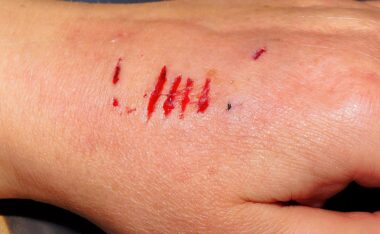
When a dog bite occurs, first aid is crucial for ensuring proper healing and preventing infection. Begin by assessing the severity of the wound. If it’s minor, you can often treat it at home. Gather your first aid supplies, which should include antiseptic solution, clean gauze, adhesive tape, and gloves. Before touching the wound, thoroughly wash your hands to avoid introducing any bacteria. If the dog is not yours, ascertain its vaccination status, especially for rabies, which can be life-threatening. If the wound is deep, or if there is excessive bleeding, it’s best to seek veterinary assistance immediately. Take note of any swelling, bleeding, or pus, as these can indicate infections. It’s essential to remain calm, especially if your dog is anxious or in pain. Remember, injuries are not just physical; they can cause psychological distress for both you and your dog. Be gentle and reassuring during the process. Once you’ve assessed the situation and collected your supplies, you can begin the cleaning process, ensuring that you are taking all necessary safety precautions. All these steps can prevent complications.
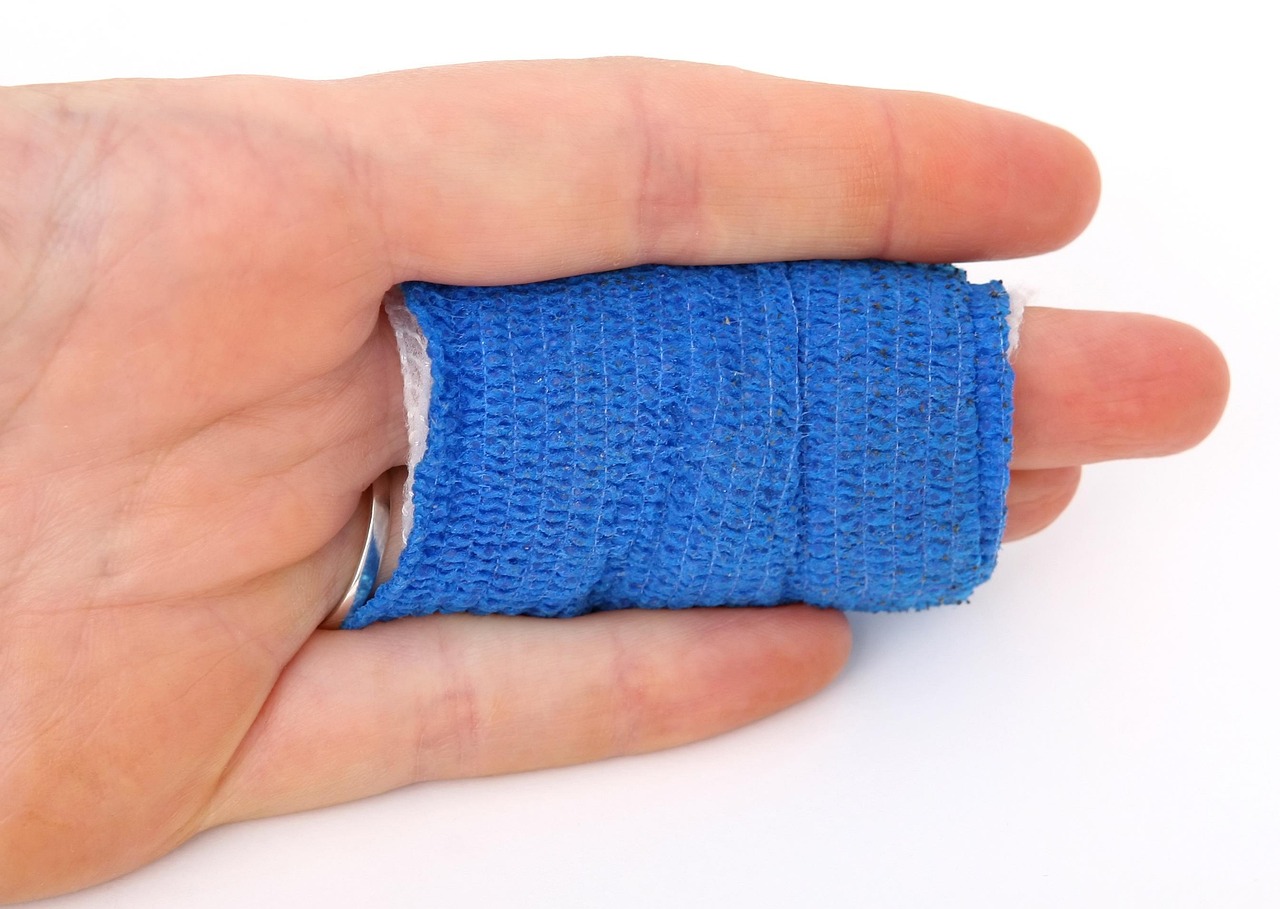
Start by cleaning the wound with lukewarm water, and avoid using hydrogen peroxide, as it can damage the tissue. Rinse away dirt and debris, allowing water to flow over the injury smoothly. Using a clean cloth, gently pat the area dry, ensuring it’s not further irritated. Apply an antiseptic solution like iodine or a dog-safe antiseptic to cleanse the area thoroughly. Make sure not to apply it directly to the wound but rather to the surrounding area. If you’re uncertain about a product, consult your veterinarian for recommendations. Next, assess if the wound needs dressing. For minor wounds, a simple protective bandage may suffice. Cut an appropriate piece of sterile gauze square to place over the wound. Secure it gently, but not so tight that it cuts off circulation. Use medical adhesive tape to hold the dressing in place. It’s wise to monitor the dressing and change it daily or if it becomes wet or soiled. If there are any signs of inflammation or the wound seems worsened, don’t hesitate to contact your veterinarian. Timely action will help your dog’s recovery.
Understanding Dog Bite Wound Severity
Recognizing the severity of a dog bite is critical in determining the appropriate first aid measures. Minor wounds, often puncture wounds or superficial lacerations, usually heal well at home with proper care. However, deeper wounds may require professional veterinary treatment. Look for signs such as excessive bleeding, deep punctures, or if the bite has torn through the skin. If you observe these features, immediately take your dog to a veterinarian for a professional evaluation. They may need stitches or further cleaning of the wound to prevent critical complications. If the location of the bite is on the face or near sensitive areas, again veterinary assistance is paramount. Don’t take chances when in doubt; trained professionals can provide treatments to prevent infection and chronic issues. Furthermore, be vigilant post-treatment for any unusual signs your dog may show during recovery, including excessive licking or swelling around the injury. Keeping an eye on behavioral changes is equally important, as this can reflect discomfort levels. Should you notice anything unusual, contacting your vet swiftly ensures that your dog receives the best care in a timely manner.
After dressing the wound, the next step is ensuring your dog is comfortable. Find a quiet place for recovery, minimizing any distractions or stressful environments. Monitor your pet for signs of discomfort, which may manifest through whining or excessive licking of the area. If your dog continues to lick the wound despite attempts to divert their attention, consider using an Elizabethan collar to prevent further irritation. This protective cone can help keep the area clean and free from further injury. Additionally, be aware of your dog’s activity level during healing; limit energetic play to prevent reopening the wound. It may be necessary to keep a leash on during bathroom breaks to prevent sudden movements. Also, avoiding muddy areas during walks will decrease the risk of contamination. Maintaining a clean environment is crucial to the healing process. Always follow any specific instructions from your vet regarding medications, including pain relief or topical antibiotics. If the assigned treatments aren’t producing results or you notice a worsening condition, consult your veterinary team. They can provide additional assessments or adjustments to the original care plan.
The Importance of Follow-Up Care
Follow-up care after a dog bite is often an overlooked yet vital part of the healing process. If your dog received veterinary treatment, ensure you attend any scheduled follow-up appointments. Vets will want to check the healing progress and may need to clean the wound again or adjust medications if issues arise. Follow their advice regarding when to switch to topical medications or when special treatments might be necessary. Your vet can guide you on signs of infection to watch for, such as excessive swelling, oozing, or unusual foul smells. Maintaining a healing log may help with tracking recovery, noting any changes you observe. Additionally, keeping a structured routine around meals, medications, and cleaning can create a comforting environment for your dog during recovery. It can also aid in building your confidence in handling the wound treatment effectively. Education on potential future problems is integral to dog health. Regularly update vaccinations, particularly rabies, to protect against future risks. By fostering a proactive approach to your dog’s health, you not only ensure better recovery rates but can also foster a closer bond with your animal companion.
Never underestimate the emotional side of recovery for your pet. After a bite incident, a dog may experience heightened anxiety. Dogs can be sensitive and respond to situations unpredictably. To support their emotional health, create a safe, familiar environment that promotes reassurance. Engage in gentle training and play to take their mind off the injury. Positive reinforcement techniques work wonders in building confidence back in anxious dogs. Provide comfort through your presence; sometimes, sitting quietly beside a dog can alleviate anxiety. Familiar smells or toys can also create a sense of safety for them during rehabilitation. If the dog struggles to return to normal behavior after the recovery process, consider consulting a professional dog behaviorist for guidance. Socialization at an appropriate pace helps reintegrate them into a normal lifestyle. Also, look into resources that explain dog body language and stress signals, as understanding their cues can be invaluable. By respecting your pet’s feelings and providing emotional support, you contribute to a positive healing journey, ultimately leading to a better quality of life for your dog. A supportive atmosphere promotes well-being and full rehabilitation.
Conclusion: Being Prepared for Emergencies
Being prepared for emergencies involving dog bites can make a significant difference in outcomes. Training yourself to respond calmly can help alleviate potential panic during a crisis. Regularly stock your pet’s first aid kit with necessary items and check for expiry dates on all products. Familiarize yourself with basic first aid practices so you can act quickly and effectively when needed. Consider additional training, like pet first aid courses, that provide invaluable skills and knowledge for handling emergencies. Having this knowledge not only equips you but boosts your confidence in caring for your dog. Adopt a proactive approach by regularly checking your dog’s health and arranging for routine vet checkups to ensure all vaccinations are current. Educate family and friends about dog safety so they understand how to prevent bites, creating a safer environment for everyone involved. Finally, keep your dog socialized and accustomed to various environments, as this minimizes anxiety and aggressive behavior. By being prepared and informed, you can provide the best possible care for your dog, creating a lasting relationship built on trust and love. Every dog deserves a responsible owner who knows how to act during emergencies.