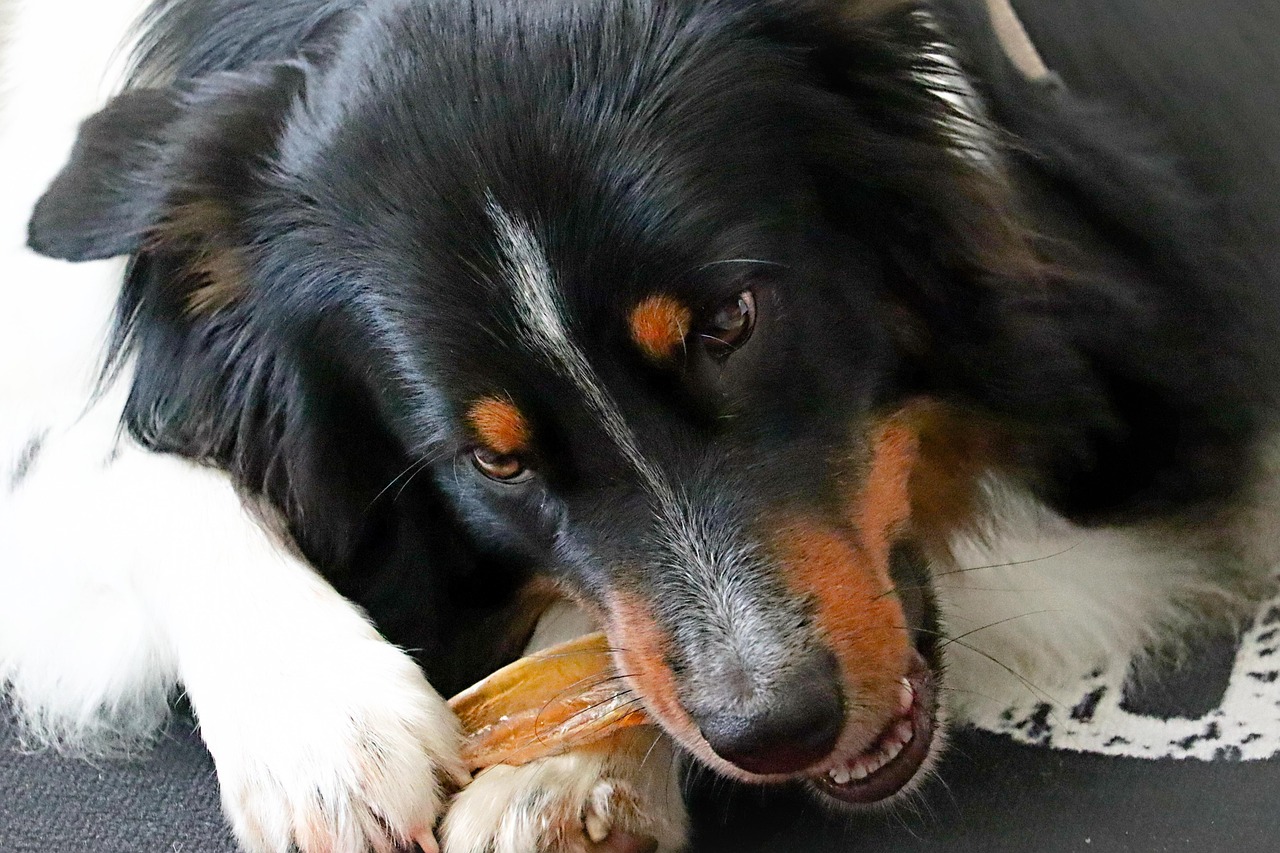

Effective Training Tips to Stop Inappropriate Chewing
Inappropriate chewing is a common issue with dogs, and it often arises from boredom, anxiety, or lack of proper training. Dogs have a natural inclination to chew, and when they do not have proper outlets for their energy, they may turn to furniture or shoes. It’s essential to understand why your dog is chewing inappropriate items. Sometimes, it can be due to teething in puppies or as a response to stress in adult dogs. To address this behavior, you need a consistent training approach. Initially, ensure your dog has plenty of appropriate chew toys. They should be engaging and durable enough for your dog to enjoy. Additionally, it’s crucial to provide mental and physical stimulation to reduce boredom. Daily walks, playtime, and puzzle toys can keep your dog entertained and focused on appropriate activities, preventing unwanted chewing. If a dog starts chewing something inappropriate, always intervene immediately. Redirect their attention to a suitable toy. Over time, with patience and consistency, your dog will learn what they can chew on, reducing or eliminating inappropriate chewing habits.
Positive reinforcement is a powerful tool that can help curb inappropriate chewing. When your dog chooses to chew on their toys rather than household items, reward them with praise or treats. This creates a positive association with the correct behavior. Effective communication during training is vital; use specific commands to let your dog know when they are following your instructions. Consistency in your methods will make it easier for your dog to understand expectations. For example, if your pup chews on shoes, calmly redirect them to their toy, re-engaging them with fun. Initially, you can set your pup up for success by supervising them closely during playtimes. Utilize baby gates or leashes to manage their movement and access to forbidden items. Place their toys in accessible areas, making it easier for them to choose the right items. Instead of punishment, focus on reinforcing correct behaviors. Mistakes are learning opportunities, providing crucial insights into your dog’s needs. With time, your dog can learn which items are permissible and which are off-limits. Remember to stay patient and consistent, fostering a trusting relationship during this training process.
Creating a Chewing Routine
Another helpful strategy in managing inappropriate chewing is establishing a chewing routine for your dog. Creating designated times for chewing helps manage their energy and keeps them focused. Allocate specific moments when they can chew, and offer them an assortment of appropriate toys. During these designated times, stay engaged with your dog, encouraging them to interact with their toys. Implementing a rotation of toys can keep the experience fresh, preventing boredom. Keeping some toys hidden away and exchanging them regularly is an exciting way to maintain their interest. Knowing they have certain toys available may lead to less temptation to pick up inappropriate items around the house. In addition, this routine promotes independence and reduces anxiety linked to chewing. Consider incorporating interactive toys that dispense treats, as they can keep your dog focused for extended periods. During transitions, ensure your dog is mentally stimulated to keep them calm and focused on their designated chewing items. Consistency with the routine is key, helping embed the understanding that chew time is their special time for playing happily without destruction or anxiety.
Properly managing your dog’s environment plays a vital role in preventing inappropriate chewing behaviors. Ensure that they have access to their toys, keeping them within reach while limiting access to objects you want them to avoid. Removing temptations is crucial in teaching them what they should not chew. For instance, hiding shoes, remote controls, or furniture in a secure area can help prevent accidental destruction. Also, you can consider using deterrent sprays on items you wish to protect. These products often have unpleasant tastes or smells, naturally discouraging your dog from chewing those items. However, be cautious when introducing deterrents, as some dogs may become more determined to chew if they are initially curious about the taste or smell. In addition, keep in mind that while managing the environment is critical, it is equally essential to provide outlets for their chewing behavior. The goal is not to restrict their natural instincts but to guide them towards appropriate chewing choices. Combining managed environments with positive training interventions creates a comprehensive plan against inappropriate chewing behavior.
Engaging Your Dog’s Mind and Body
A well-exercised dog is often less likely to engage in destructive chewing, showcasing the importance of physical activity. Regular exercise routines, including daily walks, runs, or interactive playtime significantly benefit your dog’s overall behavior and health. Engaging your dog in varied activities can significantly decrease boredom, often the root cause of destructive behaviors. Activities like fetch, swimming, or even teaching new tricks can keep their mind actively stimulated and engaged. Additionally, mental stimulation through puzzle games can be particularly useful, as they force your dog to focus and interact with their environment positively. Participating in training sessions that utilize tricks or commands can also be beneficial. Not only do these sessions improve the dog’s skills, but they also build a stronger bond between you and your pet. Ultimately, a well-rounded program that encourages both physical and mental activity will lead to a fulfilled and well-behaved dog. Finding the right combination of activities may take time, but the payoff is worth it. Always observe your dog’s reactions and adjust based on their preferences and energy levels.
Consistency from all family members participating in the dog’s training is vital to curb inappropriate chewing. If one person allows chewing on furniture while another does not, it sends mixed signals to your dog, making learning challenging. Establish family guidelines to create a united approach toward training. Commitment from everyone becomes crucial in building positive reinforcement habits. Encourage family members to reward good behavior, such as chewing on toys instead of furniture. This coherence will help reinforce the lessons you are aiming to teach your dog. Additionally, designate a primary trainer or handler for your dog. This person can take the lead on various training sessions, ensuring consistency in commands and rewards. It helps if the primary trainer is calm and confident, as they can better manage the effectiveness of the training approach. Joint training sessions involving all family members also foster a sense of teamwork while building the bond between your dog and the family. Lastly, document your group’s efforts regarding the training system to track progress and troubleshoot issues to facilitate effective training and behavioral improvements.
Professional Help and Alternatives
If despite these efforts your dog continues to exhibit inappropriate chewing, seeking professional help can be a beneficial option. Working with a professional trainer or behaviorist can guide you in understanding the underlying causes of chewing behaviors and create tailored training programs. Such specialists analyze behavioral patterns and pinpoint triggers, providing insights into developing effective, individualized strategies. This expertise ensures you receive comprehensive support and techniques that align with your dog’s specific needs. In instances of anxiety or stress-induced chewing, behavioral interventions may require a more specialized approach. Approaches such as desensitization or motivational training can be advantageous. Sometimes medical intervention may also be necessary to address underlying conditions contributing to the chewing habit. Always consult a veterinarian before opting for medication, as it needs careful evaluation. Lastly, support groups or online communities can offer valuable resources and shared experiences from other dog owners facing similar challenges. Engaging in positive discussions or lessons learned could provide additional insight into addressing chewing problems systematically and collectively.
In conclusion, managing inappropriate chewing behavior in dogs requires dedication, patience, and a comprehensive understanding of canine behavior. Training your dog to understand what is appropriate to chew involves consistent interventions and a positive atmosphere. By fostering good chewing habits, addressing environmental factors, and providing structures, you will significantly reduce instances of destructive behavior. Pair this with daily exercise routines, engaging toys, and effective communication among all involved in your dog’s training, and you create an enriching environment. Professional help can be sought when necessary for a more personalized approach to challenging behaviors. Careful observation of your dog’s progress is essential as it allows you to adjust your approach accordingly. Always remain patient, as building positive habits takes time. Consistent positive reinforcement and collaborative efforts can turn a chewing issue into an opportunity for bonding and learning. As dogs thrive on routine and predictability, establishing a customized plan based on their needs promotes a balanced companion. Lastly, understanding your dog and nurturing their natural instincts while redirecting harmful behaviors helps build a stronger relationship over time.