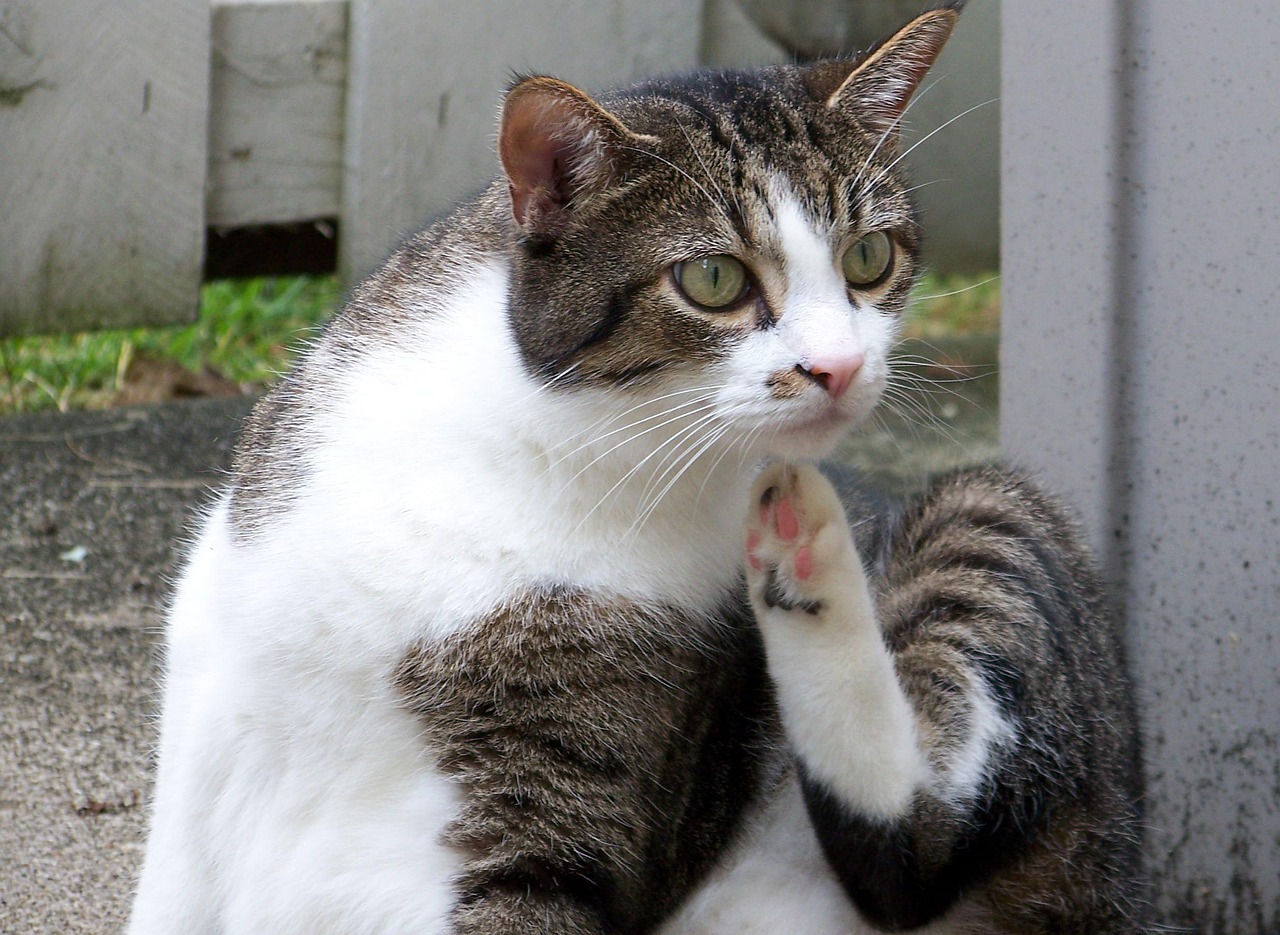

How Positive Reinforcement Can Help Stop Furniture Scratching
Scratching furniture is a common behavioral problem among cats. Many cat owners face this challenge, often leading to frustration. Understanding the reasons behind this behavior is crucial. Cats scratch to mark territory, sharpen claws, and stretch their muscles. Ignoring this instinct can complicate the relationship between the cat and its owner. Instead of punishment, consider using positive reinforcement. Positive reinforcement involves rewarding desired behaviors rather than punishing unwanted ones. This not only fosters a healthier environment but also creates trust between you and your cat. In this article, we will explore effective methods to help stop furniture scratching through positive reinforcement techniques.
To begin, it’s important to identify areas where your cat enjoys scratching. Observe their favorite spots and provide alternatives that are appropriate. Investing in a sturdy scratching post can redirect their scratching tendencies. Ensure these posts are placed near furniture they usually scratch. Encourage your cat to use the new scratching post by applying catnip or treats. Over time, they will begin to favor the post over the furniture, reinforcing positive behavior. Remember to be patient during this process. Cats may take time to adjust and learn new habits. Each positive experience helps reinforce that behavior further.
Next, always reward your cat when they use the scratching post instead of the furniture. Use verbal praise, petting, or treats to reinforce this behavior. Positive reinforcement motivates your cat to continue making the right choice. Be consistent in your rewards; this will help your cat associate good behavior with positive outcomes. Avoid scolding or punishing your cat for scratching furniture. This might lead to confusion and fear, potentially harming your bond. Instead, focus on redirecting their energy onto suitable objects. The gentler approach improves trust and understanding, essential for effective training.
Creating a Cat-Friendly Environment
Another effective strategy involves creating a cat-friendly environment. Make the home as appealing as possible for your feline friend. Provide various scratching options made from different materials like carpet, sisal, and cardboard. Cats have distinct preferences, and offering a choice increases the likelihood they will use your designated scratching areas. Additionally, consider the height and stability of scratching posts. Some cats prefer vertical options, while others might like horizontal ones. By tailoring your approach, you’re more likely to achieve success in curbing unwanted scratching.
Furthermore, furniture protectors are another useful tool for cat owners. These products can be applied to areas where your cat tends to scratch. While they might not stop the behavior entirely, they do protect your furniture. Consider investing in materials that are visually appealing and blend with your decor. If you want a more long-term solution, some owners find that covering scratching areas with designated fabrics discourages scratching altogether. By integrating these protective measures, you can minimize damage while guiding your cat towards more appropriate scratching habits.
Additionally, consider engaging your cat both physically and mentally. Providing toys and interactive playtime satisfies their natural hunting instincts. When cats receive adequate stimulation, they are less likely to seek out furniture to scratch. Rotate toys regularly to keep their interest alive. Implementing structured play sessions can further reinforce your bonded relationship with your cat. Playtime not only enriches their mental landscape but also strengthens your connection, ultimately making them more receptive to behavioral changes. Remember, a happy, engaged cat is less likely to engage in destructive behavior.
Conclusion
In conclusion, addressing furniture scratching in cats requires patience and understanding. Positive reinforcement is essential in guiding them toward appropriate behaviors. By providing suitable scratching posts, rewarding good behavior, and creating a stimulating environment, you help your cat develop better habits. Remember to adapt your strategies to your individual cat’s needs and preferences. As they learn, continue with consistent praise and rewards, ensuring a friendly and non-threatening atmosphere. With time, you will notice a reduction in furniture scratching, strengthening the bond between you and your feline companion.
Ultimately, the key takeaway is that every cat is unique in their behavior. Therefore, it’s essential to tailor your approach accordingly. Observe what motivates your pet, and utilize that knowledge as you implement positive reinforcement techniques. If you feel overwhelmed, seeking advice from a veterinarian or a professional trainer can provide additional guidance. With commitment and creative strategies, you can successfully redirect your cat’s scratching behavior, ensuring both your home and your cat remain harmonious. Remember, fostering patience and a positive atmosphere will lead to lasting improvements.