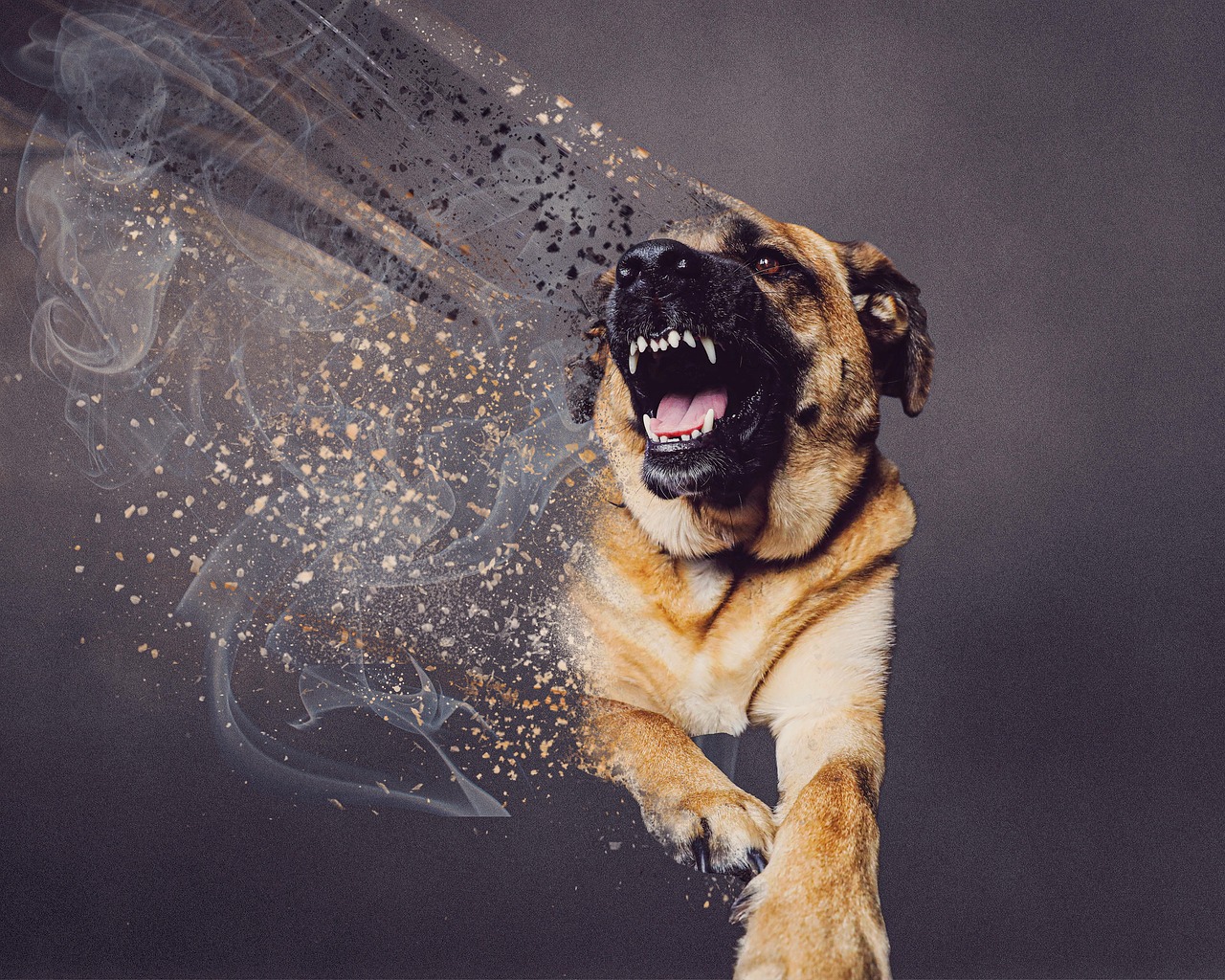

How Puppies Develop Aggressive Behavior and How to Manage It
Aggression in puppies is often tied to various underlying factors associated with their mental health. As dogs develop, they may encounter stress, fear, or anxiety, leading to behavioral responses including aggression. Understanding these triggers is crucial for puppy owners. Inadequate socialization during early development can result in fear-based aggression, while other factors, such as a lack of mental stimulation, can exacerbate aggressive behavior. Moreover, genetics also play a role in how predisposed a puppy may be to aggression. Identifying the causes of aggression can help owners manage and mitigate unwanted behaviors effectively. Additionally, recognizing the signs early can make a significant difference in a puppy’s development. Signs may include barking, growling, or showing teeth when confronted with various stimuli. Owners should maintain a calm and consistent approach when dealing with any aggression. Using positive reinforcement to encourage desirable behavior can foster a sense of security in puppies. Understanding the roots of aggression can improve a puppy’s overall mental health and integration into the household, ensuring a happy and healthy relationship between pets and families.
Puppies go through critical developmental stages that affect their behavior. During the first few months, socialization is paramount. Lack of exposure to different environments and situations can lead to fear and aggression later. Regular interactions with other dogs and people can foster a more balanced temperament. Puppies who are well-socialized tend to adapt more easily to new experiences, reducing anxiety-related aggression. Owners should introduce their puppies to various stimuli gradually, which can include sounds, scents, and encounters with different surfaces. From 8 to 16 weeks, a puppy’s experiences can shape their anxiety levels, impacting their responses to stress. Consistent training, using positive reinforcement techniques, ensures that puppies learn appropriate responses to fear-inducing situations. Besides socialization, mental stimulation through play and interactive games can significantly enhance a puppy’s overall wellbeing. Engaging with toys, puzzles, and new activities also decreases boredom-driven aggression, promoting better mental stability. Furthermore, safely supervised playdates with other dogs can help develop essential social skills. Owners must also recognize stubborn or overly aggressive behavior as a request for help, indicating that expert training may be needed.
The role of environment in a puppy’s aggressive behavior cannot be overstated. Their surroundings greatly influence their mental state. Puppies raised in chaotic or stressful homes often exhibit signs of anxiety or aggressive tendencies. Therefore, providing a calm, stable environment is critical. Ensuring that their basic needs—like food, exercise, and shelter—are met is fundamental. A structured routine can help puppies feel secure and less prone to aggression. Training commands such as “sit” and “stay” serve as foundational skills, enabling owners to command their puppies’ attention and redirect aggressive behaviors. Equally important is the type of management strategies used by owners. Techniques like crate training can develop a sense of security in puppies, providing them a safe space. Positive interactions and associations with various triggers can reduce negative responses. Additionally, maintaining an environment free from excessive loud noises or abrupt movements can also alleviate stress. Addressing any aggression issues promptly helps prevent aggressive behavior from becoming entrenched. When these early signs are overlooked, they may escalate into severe aggression, necessitating professional intervention to manage effectively.
Positive reinforcement is a powerful tool in managing puppy aggression. This approach emphasizes rewarding desired behaviors rather than punishing undesirable ones, creating a trusting bond between the owner and the puppy. Examples include using treats, praise, or playtime to encourage good behavior. When puppies react positively, such as remaining calm around other dogs, immediate reinforcement teaches them that this behavior yields rewards. Owners should also set clear expectations for their puppies. Training sessions allow owners to guide their puppies through exercises that build social skills, fostering a positive outlook. For instance, practicing “leave it” or “come” commands can help control aggressive impulses. Additionally, consistency is critical; each family member should adhere to the same commands and cues. This uniformity helps puppies learn more efficiently, as mixed signals can lead to confusion and anxiety. Regular practice reinforces these lessons, strengthening the puppy’s learning. Furthermore, engaging in regular social interactions with well-behaved dogs can model appropriate behavior. Such consistency in training and socialization fosters an emotionally balanced puppy, reducing the likelihood of aggression stemming from fear or anxiety.
Understanding canine body language is essential in managing aggression in puppies. Many aggressive behaviors are preceded by subtle signals that indicate discomfort, fear, or anxiety. Learning to read a puppy’s body language can help owners intervene before aggression escalates. Signs to observe include raised hackles, a stiff body posture, or glaring staredown. Recognizing these early warnings allows owners to remove the puppy from stressful situations rather than waiting for a response that could lead to aggression. Similarly, a wagging tail does not automatically mean that a puppy is friendly; tails can also indicate agitation or arousal. Owners should educate themselves about canine communicative behavior, as grasping these signals allows for better prevention of aggression. Training to handle these situations is equally important; ensuring a puppy understands commands like “off” or “leave it” can diffuse potential aggressive episodes effectively. Moreover, integrating relaxation techniques can help calm a puppy’s anxiety-invoking situations. Techniques such as gentle petting, soothing words, or soft music can assist in reducing stress and promoting a more peaceful demeanor. By combining an understanding of body language with effective training, owners can significantly minimize aggressive behavior.
When managing aggression related to mental health in puppies, seeking professional help may become necessary. A certified dog trainer or animal behaviorist can offer expert insights and tailored strategies to address specific behavioral concerns. Their experience in evaluating canine behavior enables them to provide personalized recommendations to improve a puppy’s socialization and training. More serious cases of aggression might require consultation with a veterinarian, particularly if associated medical issues contribute to aggressive tendencies. Certain health conditions can exacerbate aggressive behaviors, and addressing these underlying problems can significantly improve their mental health. Furthermore, canine anxiety may require specific interventions, such as anxiety medications prescribed by veterinarians. These can aid in stabilizing a puppy’s emotions, making training more effective. Additionally, support groups and community resources can help owners connect with others in similar situations, offering emotional support and shared experiences. Relying on these resources can empower owners and enhance their skills in addressing canine behavior. Owners should remember they are not alone; many resources exist for improving puppy behavior, transforming a challenging situation into one of learning and growth.
The journey to manage aggression in puppies is an ongoing one, requiring commitment and awareness. Successful outcomes often depend on the owner’s persistence, as behavioral changes take time. Establishing routines, promoting proper socialization and training, as well as understanding a puppy’s mental health needs are crucial elements. Through consistent application of positive reinforcement techniques, owners can build healthy, trusting relationships with their puppies. Furthermore, always be mindful of the nuances in your puppy’s behavior, making adjustments to training and interactions as needed. Patience is just as important as training; puppies will not change overnight. Celebrating small victories fosters a positive atmosphere, encouraging puppies to continue progressing. Embrace the learning journey, both for you and your puppy, as you navigate these challenges together. Engaging in regular training sessions, both formal and informal, promotes continuous development. In doing so, owners cultivate self-confidence within their puppies. Building a strong bond can transform potential aggression into love and companionship instead. Owners investing time and effort into their puppy’s mental health can foster a happy, well-adjusted adult dog ready to join their family without aggression.
Managing aggression in puppies due to underlying mental health issues requires diligence and understanding. Through education and observance, owners can foster a nurturing environment that fosters socialization and correct behavior. By employing the right techniques, patience, and professional guidance when necessary, owners can minimize aggressive behaviors and ensure the mental well-being of their canine companions. Over time, owners will find that their efforts yield a happier, healthier puppy who is capable of forming positive interactions with others, making the journey worthwhile.