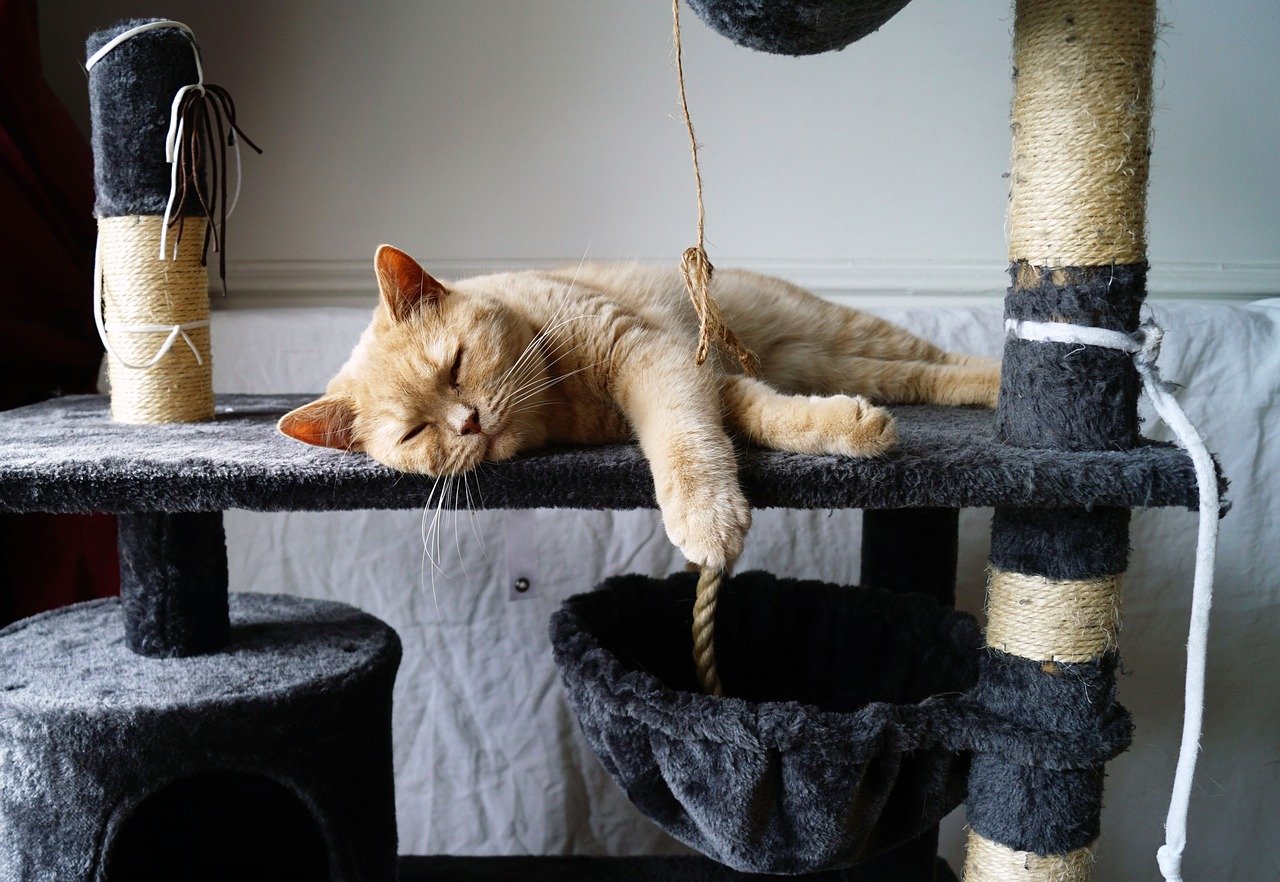

How to Command Your Cat Away from Furniture to the Scratching Post
Cats are known for their adorable yet sometimes destructive scratching habits. Understanding how to redirect this behavior can significantly protect your furniture. Utilize commands effectively to guide your feline towards the scratching post. First, observe your cat’s natural scratching tendencies; this will help in selecting an appropriate scratching post. Make sure it’s tall or sturdy enough to attract your cat’s attention. Position the scratching post near the furniture often targeted. Regularly encourage your cat to use it by placing toys or catnip around the base. Positive reinforcement works wonders; reward your cat with treats whenever it uses the post instead of furniture. Gradually increase your commands each time you observe your cat scratching furniture, leading them to the designated post. Consistency in your tone will make a difference; use the same command each time to build familiarity. If you catch your cat in the act, gently redirect them to the scratching post. Never punish your cat, as this could create anxiety or fear. Patience and persistence will ultimately yield the best results for long-term training success.
Another effective tactic is to create an environment that promotes the use of the scratching post. Ensuring that your cat understands the benefits of using this designated area is crucial. To start, place the scratching post in an appealing location that receives natural light. Cats enjoy sunbathing spots as they can feel warm and comfortable. You can add enticing elements like various textures or shapes to entice your cat. Cats, particularly younger ones, enjoy exploring new surfaces. Utilize vertical and horizontal surfaces on the scratching post for diversity. The more your cat is engaged, the more likely it will choose the post over your furniture. When they show interest, utilize verbal encouragement alongside their favorite treats or toys. The aroma of catnip can also draw them towards the post. Regularly swapping toys or treats can maintain their interest over time. If they still favor scratching furniture, try repositioning the post closer to the area of interest. Gradually and effectively train your cat to understand that the scratching post is their space. Over time, they will associate the scratching post with positive experiences, leading to successful redirection.
It’s essential to understand your cat’s emotions and how this plays into their scratching behavior. Cats scratch not just to sharpen their claws, but also to mark territory and relieve stress. Understanding these drives can help you formulate a strategy to command your cat more effectively. If a cat feels threatened or anxious, it may retreat to scratching furniture to express discomfort or seek attention. Therefore, minimizing stressors in their environment is vital for effective training. This could involve limiting loud noises or other pets’ access to their area. Calm environments encourage your cat to feel secure and more inclined to use their scratching post. Additionally, consider your cat’s age and activity level. Kittens might benefit more from playful interactions, while older cats may require more encouragement and gentle guidance. Monitor their scratching habits and adjust your commands based on their activity. Providing a dedicated space can positively influence their behavior. Make sure to show empathy and always use gentle, encouraging commands. With time and patience, your cat will see the scratching post as a preferable option to the furniture.
Creating a Rewarding Environment
Creating an environment filled with rewards will assist in successfully redirecting your cat’s behavior. One effective way to do this is through the use of treats and affection when your cat engages with their scratching post. Establish a routine that combines the command with the reward. For example, when you see them using the scratching post, enthusiastically praise them with a gentle tone, saying, “Good cat!” This reinforces the action positively. The goal is to create a strong association between positive behavior and receiving rewards. You can also use toys that mimic the act of scratching, like those with dangling feathers, to attract their attention. Additionally, consider using interactive toys around the post or nearby. This can create fun experiences leading them toward this area. Each interaction with the scratching post should reinforce your commands. Ensure to keep the atmosphere relaxed to promote a happy environment. This kind of training views your cat as willing and responsive. By fostering a positive association with the scratching post using rewards, both you and your cat will enjoy the experience.
When training your cat to use the scratching post instead of furniture, it’s crucial to manage your expectations. Cats are intelligent animals, but the time it takes to learn commands can vary greatly. Some might pick up the desired behavior quickly, while others could take weeks or even months. Understanding the importance of patience in this process is key. Regular practice sessions can help reinforce the commands. Engage your cat with toys or by using enticing scents like catnip near the scratching post. Make these moments fun rather than solely instructional. Cats thrive in playful environments, and this will foster a stronger bond between you. If your cat responds positively to these interactions, you’re likely making progress. It is also vital to allow the cat space to explore its preferences. Every cat is unique, and altering your approach based on their feedback is essential. Ultimately, the journey can be just as rewarding as achieving the goal itself. Celebrate small victories throughout the process, whether it be a few scratches at the post or your cat choosing the post over furniture on occasion.
Consistency is Key
As you continue this training, maintaining consistency in your commands and actions is vital. Using the same phrase or command, such as “no scratching” when redirecting them will help solidify understanding. Repeat this consistently without changing your tone or command structure. Cats are creatures of habit, and establishing a routine will lead to behavioral changes. Additionally, repeat your efforts daily. Whether you’re using toys, treats, or simple verbal commands, reinforcing the behavior daily can yield better results. It’s equally important to ensure that multiple family members use the same commands and techniques. This prevents confusion for your cat. If there is inconsistency between command usage, your cat may struggle to comprehend what is expected. Encourage all members in your household to participate in this training. This routine helps solidify their understanding as they associate the same positive reinforcement with the scratching post. Keeping the atmosphere calm and friendly during interactions also greatly improves your cat’s confidence. Your collective efforts stand to make a significant difference in motivating your cat to use the scratching post consistently.
Lastly, understanding behavioral evolution is essential. Observe your cat’s reactions closely as they learn. Remember that as your cat becomes more comfortable with the scratching post, they may display less interest in their previous scratching habits. During this transition, it’s imperative to maintain encouragement and expect relapses. A cat may occasionally return to scratching furniture, even after it has developed the desired habits. Don’t react negatively; always remain calm and patient. Redirect this behavior gently with commands and guide them back to their post without any form of punishment. Moreover, adjust your strategies as your cat progresses. If you notice some techniques lose effectiveness, don’t hesitate to embrace new tactics or incorporate different types of scratching posts. Sometimes, the novelty of a new post can rekindle interest. By recognizing the evolution of their behavior, you will be able to pivot your approach based on their preferences. This overall strategy is about adapting to their needs for the most efficient results. Not only will this help with scratching behavior, but also enhance your overall relationship with your cat.
Conclusion
In conclusion, effectively commanding your cat to reserve their scratching for the designated post is a process that requires dedication, understanding, and patience. By practicing firm and consistent commands, while also ensuring that you create a rewarding environment around the scratching post, your cat can learn to appreciate this area instead of couch upholstery. Remember to acknowledge your cat’s emotional state and provide a safe, non-threatening environment. Reinforcing positive behaviors with treats and praise can encourage prolonged engagement with the scratching post. Monitor their habits, adapting strategies as necessary to ensure they remain interested over the long term. Expect natural relapses as they build their new habits; react calmly, redirecting them to the post as needed. Train in various environments occasionally; this exposes them to new areas and ensures adaptability. Embrace the process as an ongoing journey between you and your companion, reinforcing bonds along the way, and keeping the transition engaging. Over time, with repeated communication and rewards, your cat will likely recognize that the scratching post is their preferred space for scratching and fun.