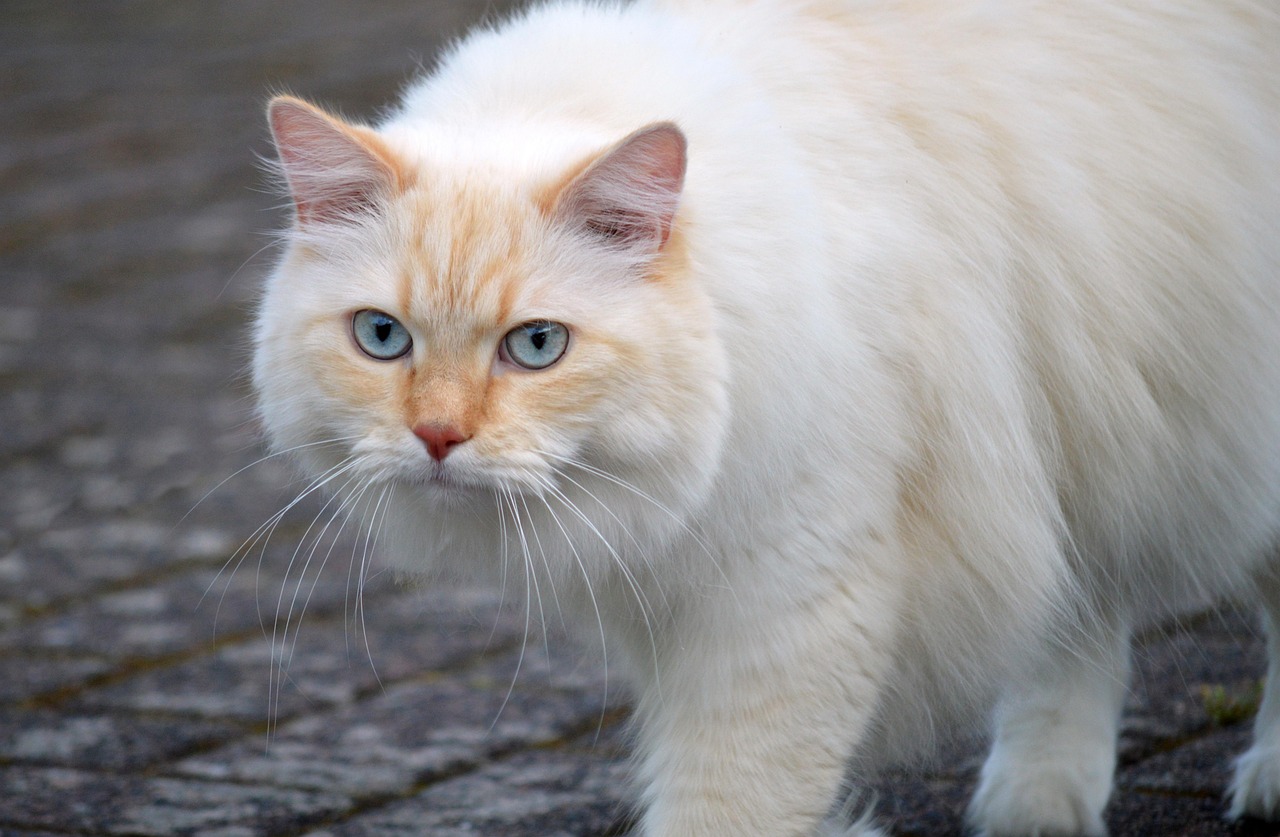

How to Incorporate Hair and Skin Supplements into Your Cat’s Diet
Supplements designed specifically for hair and skin health are essential for many cats. Just like humans, cats require certain nutrients to maintain a shiny coat and healthy skin. Supplements that contain omega fatty acids, vitamins, and minerals can play a significant role. Ingredients such as fish oil, biotin, and zinc are frequently found in these products. Choosing high-quality supplements is crucial, as the right blend can promote skin hydration and softness. Additionally, always check for allergens and speak with your vet before introducing new supplements into your cat’s diet. Proper consultation ensures that the chosen products suit the specific needs and health conditions of your feline friend. Always monitor your cat’s response to any new supplement. Changes in skin condition, coat shine, or overall behavior are good indicators of effectiveness. Supplements can come in various forms, including powder, chewable tablets, and liquid. Understanding your cat’s preferences will help you select the most suitable option. Remember, patience is essential; noticeable changes may take some time. Integrating these supplements gradually into your cat’s routine will encourage compliance and ultimately benefit their health.
Understanding Nutritional Needs
A cat’s diet should be well-balanced and nutritionally adequate to support overall health. The incorporation of hair and skin supplements into their daily routine can significantly enhance their coat and skin condition. These supplements often provide essential fatty acids, vitamins, and antioxidants that specifically target skin hydration and coat appearance. Omega-3 and Omega-6 fatty acids are crucial for skin elasticity and maintaining a glossy coat. Cats can usually get these fatty acids through diet or supplements. Vitamin E is another important contributor, helping to fight oxidative stress and support skin health. Cats, being obligate carnivores, primarily thrive on meat-based diets. Thus, it’s essential to ensure that any supplement complements their natural intake rather than substitutes. Always consult with your veterinarian to determine if these supplements align with your cat’s dietary regime. They can offer guidance on dosages, considering your pet’s weight and health status. A gradual integration approach can lead to a more acceptable transition, minimizing potential digestive issues. Regular observation during this transition is key to ensuring that your furry friend adapts well to the new additions in their diet.
Hair and skin health supplements can work synergistically with regular feeding habits. Cats require adequate hydration, so ensuring they always have fresh water available is essential. Many commercially available foods may not provide enough moisture, especially if you are feeding dry kibble. Consider combining these supplements with wet food to help alleviate any concerns regarding hydration. The moisture from wet food supports skin and coat health, while the supplements can enhance their effectiveness. Always read labels carefully to determine the right combination of foods and supplements that provide the necessary nutrients. Cats often thrive when fed a variety of textures and flavors in their meals, making it easier to incorporate new supplements. Regularly altering their diet can stimulate interest, decreasing the chance that your cat becomes bored with their food. Observing preferences for specific flavors can guide your choices. Supplement introduction can be made playful, similar to a treat or reward. Using interactive feeders can also encourage interest in their meals while delivering beneficial nutrients. Always keep the process positive and rewarding to help form a more beneficial dietary habit that impacts their overall health positively.
Choosing the Right Supplement
When selecting hair and skin health supplements, quality is paramount. It’s essential to research products thoroughly, ideally choosing those recommended by veterinarians. Ingredients like fish oil, flaxseed oil, and evening primrose oil serve as excellent sources of essential fatty acids. These nutrients can enhance skin moisture content and coat shine significantly. Furthermore, look for supplements containing additional vitamins, like A, E, and B complex. Each of these vitamins contributes uniquely to skin health and overall well-being. It’s advisable to select products that have been subjected to third-party testing for quality assurance. Reading reviews and seeking testimonials from fellow pet owners can provide further insights. Find reputable suppliers that offer transparency about ingredient sourcing and manufacturing processes. Ensure that no harmful fillers are included in the product, as these can negatively affect your cat’s health. Each cat is unique, and it may take some trial and error to find the perfect supplement. Observing your cat’s reaction and comfort should guide these decisions. Labeling claims often can be misleading; therefore, always prioritize high-quality and vet-recommended supplements for your cat’s care.
The method of introducing hair and skin supplements into your cat’s diet can vary. Some cats may readily accept powders mixed with their food, while others may prefer chewable forms. Starting with small quantities may make the process smoother. It’s essential to create a positive experience so your cat associates the supplement with mealtime. If your cat is particularly picky, it may help to disguise the supplement in strong flavors, such as tuna juice or broth. Gradually increasing the dosage allows your cat’s system to adjust while monitoring for any sensitivity. Tracking your cat’s progress over the initial weeks after introducing the supplement is crucial. Visual assessments, such as checking for shininess in the coat or softness of the skin, can be indicative of the supplement’s efficacy. Maintaining communication with your veterinarian during this period is beneficial. Sharing observations with them can facilitate adjustments if needed. Remember that results might not be immediate. A healthy coat and skin often take consistent care and commitment. These supplements, when appropriately integrated, can significantly contribute to your cat’s wellness and vibrancy.
Monitoring Results and Adjustments
Keep ongoing records of your cat’s health, behavior, and coat condition as you incorporate hair and skin supplements. Positive changes might include a shinier coat, reduced shedding, or an overall appearance of vitality. If adverse reactions occur, such as gastrointestinal upset or changes in behavior, stop use immediately and consult a vet. It’s essential to approach any supplement with care, especially considering your cat’s specific needs and sensitivities. Regular check-ups provide invaluable opportunities to review dietary practices. Your veterinarian can recommend modifications based on your cat’s unique requirements. Adjustments in dosage or changes in brands might be necessary over time, given that your cat’s needs evolve. Continuous evaluation and openness to change is vital to ensuring the best health outcomes. Many owners find that documenting their cat’s responses helps understand trends and preferences. This data can prove helpful during consultations with your vet, enabling informed decisions for diet and supplement choices. Ultimately, the objective is to support your cat’s health, ensuring longevity through a well-structured diet that includes valuable hair and skin health supplements.
In conclusion, incorporating hair and skin health supplements into your cat’s diet involves careful consideration, choice, and observation. Prioritize quality, consult with your veterinarian, and monitor any changes closely. Successful integration hinges on understanding your cat’s unique needs, preferences, and any potential side effects. Look for supplements enriched with beneficial nutrients like omega fatty acids, vitamins, and minerals. Remember that patience is key; it may take time to see significant improvements. Engage with your cat’s feeding routine by including these supplements in a way that they find pleasing. Consider their preferences for flavors and forms while gradually introducing new items. The right approach fosters a positive eating experience contributing to their overall happiness. Ensure consistent hydration and a balanced diet supports the overall efficacy of supplements. Your diligence will pay off when your cat starts exhibiting healthier skin and a shiner, more vibrant coat. Well-nourished cats not only look better but feel better, leading to a happier life for both you and your furry companion. Remember, a proactive approach to your cat’s nutrition can lead to longer, healthier years.