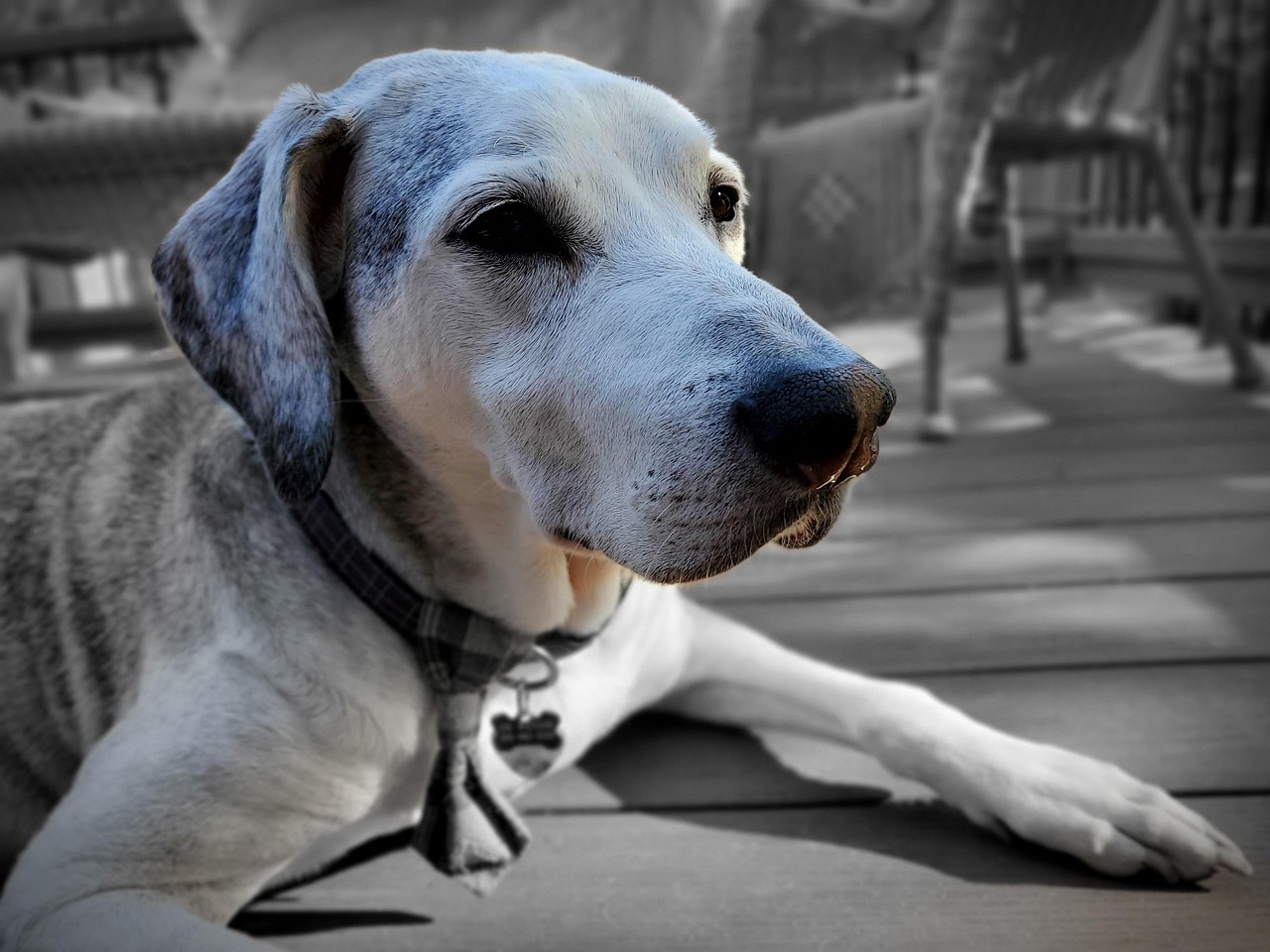

Managing Fungal Infections in Senior Dogs: Tips and Precautions
Fungal infections in senior dogs can be challenging to manage due to their weakened immune systems. A traditional view suggests that yeast and mold exposure is often harmless; however, this assumption is misleading regarding older dogs. As pet owners, it is vital to understand the potential repercussions of these infections. Common signs include excessive scratching, inflamed skin, and apparent discomfort. Preventative measures can help mitigate these issues. Ensure your dog’s living environment is clean and dry. Regular grooming sessions help remove unnecessary dirt and debris, promoting a healthier coat. Dietary adjustments, including Omega fatty acids, can also enhance skin resilience. Additionally, keeping your dog’s nails trimmed will prevent further skin irritation from scratching. Early detection is crucial in effectively treating fungal infections. Always consult your veterinarian if you suspect an infection or see symptoms. They can provide advanced diagnostics to identify specific fungi accurately. Proper antifungal treatments vary based on the type and severity of the infection. Investing time and effort into your senior dog’s health will pay off, ensuring they remain comfortable and happy in their golden years.
Protecting your senior dog from fungal infections involves a multi-faceted approach. Regular vet check-ups play a critical role in early detection and intervention. It’s essential to ask your veterinarian about routine health screenings, as these will help identify potential issues before they escalate. Moreover, boosting your dog’s immune system with a strong diet is beneficial. Many commercial dog foods claim to support immune function with added vitamins and minerals. Home-cooked meals might offer fresher options, emphasizing fruits and vegetables known for their antioxidant properties. Providing plenty of fresh water is also crucial for health, assisting in kidney function and providing hydration, which is vital. Senior dogs often require special attention, as their physiological changes can make them vulnerable to infections. Keep an eye out for environmental factors such as damp conditions, which may contribute to fungal growth. Furthermore, limit exposure to other animals that show signs of skin issues, as this can increase the risk of transmission. By adopting a comprehensive care routine that incorporates mindful observations and proactive measures, you can significantly reduce the chances of fungal infections in your senior dog.
Signs and Symptoms of Fungal Infections
Recognizing signs and symptoms of fungal infections in senior dogs is crucial for early intervention. Key indicators include abnormal scratching, which may lead to further skin irritations. You may also notice signs of discomfort, such as excessive licking or biting at certain areas of their body. Pay attention to skin that appears red or inflamed, indicating possible fungal irritation. Additionally, an unusual odor emanating from their skin or ears can suggest an infection; it is essential to observe the consistency and color of any discharges. Changes in behavior, such as increased lethargy or appetite changes, can also be clues pointing towards an underlying issue. Regularly inspecting your dog’s skin, particularly in folds or creases, is wise, as these areas can trap moisture and foster fungal growth. Moreover, areas where the dog has had recent injuries should be monitored closely. If any of these signs are observed, do not hesitate to contact your veterinarian for professional assistance. They may conduct skin tests or cultures to provide a definitive diagnosis, ensuring appropriate treatment begins promptly to restore your dog’s wellbeing.
Treatment of fungal infections in senior dogs typically involves antifungal medications, which may be administered topically or systemically. Your veterinarian can prescribe a suitable medication depending on the severity and type of the infection. Always follow your vet’s recommendations when using medications, ensuring dosages are accurate and that your dog completes the entire treatment course. Along with medication, supportive care plays a significant role in recovery. Bathing your dog with antifungal shampoos can help alleviate symptoms and reduce fungal loads on the skin. After bathing, make sure to thoroughly dry your dog, as moisture can encourage fungal growth. Adjustments to their environment, including keeping living spaces dry and well-ventilated, are equally important during recovery. Regularly cleaning bedding and toys will minimize the chances of re-infection. Nutrition also contributes to a successful recovery; consider incorporating probiotics in their diet to bolster gut health and their immune responses. Precautionary measures taken beyond treatment will help protect your dog from future infections, ensuring they can enjoy a healthier life as they grow older. Consistency and dedication to their care will yield positive outcomes.
Long-Term Management Strategies
Implementing long-term management strategies for senior dogs prone to fungal infections can significantly enhance their quality of life. Start by establishing a custom care routine tailored to their unique needs. Regular grooming is essential, as it helps remove dirt and moisture, which can be breeding grounds for fungi. Bathing your dog with specialized medicated shampoos can be beneficial, but ensure it is not excessive to avoid skin irritation. Limit exposure to damp areas or environments known for high fungi presence. Whenever possible, opt to walk your dog in well-maintained parks and paths. Additionally, feeding a high-quality diet rich in omega fatty acids, vitamins, and antioxidants will support their periodontal and immune systems. Make it a habit to utilize supplements aimed at enhancing skin and coat health, aiding in both prevention and recovery. Regular health check-ups remain vital as your dog ages and its immune function declines further. A proactive approach will allow for identifying any infections early, ensuring swift treatment. Being mindful and vigilant ensures that your senior dog maintains not just their health, but also a joyful, fulfilling life.
Engaging in a routine veterinary care plan is essential for managing fungal infections in senior dogs. Your vet may suggest specific tests to monitor skin health or immune function levels as your dog ages. This proactive approach outlines potential problem areas, allowing for prompt interventions. Maintaining a healthy weight is another essential aspect; obesity can complicate any health issue your dog may face, particularly fungal infections. Encourage light exercise tailored to your senior dog’s capacity, as physical activity helps bolster overall health and wellbeing. Be sure to assess the safety of their environment, removing anything that could lead to injury or discomfort during play or movement. Consider discussing any changes in behavior or health with your vet, as they may contribute to the overall strategy in managing fungal infections. Lastly, educate yourself about environmental allergens that could frustrate persistent skin problems. With careful attention to these factors, you can create a solid framework that supports your senior dog’s health. A holistic approach encompassing diet, exercise, and regular veterinary visits ensures the best outcomes for your beloved companion.
Conclusion: A Caring Approach
In closing, managing fungal infections in senior dogs requires a comprehensive and caring approach. Awareness of symptoms combined with routine veterinary care lays a strong foundation for prevention. Providing a well-balanced diet and ensuring regular physical activity contributes significantly to their quality of life. By emphasizing proper hygiene and maintenance, you can create an environment that minimizes fungal growth. The emotional aspect of their care also plays a vital role; spending quality time with your dog can help alleviate stress and improve their overall wellbeing. Pay careful attention to their individual needs, and maintain open communication with your veterinarian to navigate potential health challenges. Building a supportive community with fellow pet owners may also provide valuable insights and shared experiences. Your dedication to understanding and meeting your senior dog’s needs fosters their happiness in their golden years. As they age, ensuring they remain comfortable and healthy is a beautiful bond between you and your furry friend. Together, you can navigate the challenges brought by fungal infections and facilitate a joyful, thriving existence within your dog’s later stages.
Creating an environment free from potential health hazards can greatly benefit your furry friend. Remember to stay engaged, conduct regular check-ups, and always prioritize your dog’s comfort. Your efforts will be rewarded with unbounded joy, love, and companionship, making every moment spent with your dog truly special. Happy caring!