
Preparing Your Home for Your Adopted Cat’s Emergency Needs
When you bring home an adopted cat, it is essential to plan for emergencies. Creating a safe and prepared environment is crucial for your new pet’s well-being. Start by identifying a designated area where your cat can feel secure during stressful situations. This area should be quiet, away from high foot traffic, and stocked with essentials. Include a cozy bed, litter box, food and water bowls, and any necessary medications. Keep the area clean and ensure that your cat has easy access to these supplies. Understanding your cat’s behavior under stress is vital. Some cats may hide, while others might seek attention. Always supervise your cat during initial introductions to new areas in your home. Additionally, familiarize yourself with basic first aid for cats, which can be invaluable in emergencies. Lastly, have a list of local veterinary clinics readily available. Creating an emergency kit is an excellent step. This should include your cat’s medical records, a leash, food, water, and a few of their favorite toys. Being prepared ensures your cat feels safe and loved during emergencies, resulting in a smoother integration into your family.
To extend your emergency preparations, consider creating a pet emergency plan specifically for your adopted cat. An effective emergency plan should incorporate evacuation procedures in case of severe weather or natural disasters. Identify safe places in your area where you can take your cat if you need to evacuate. Practice your evacuation routine to ensure your cat remains calm during the actual event. Have an emergency contact who can care for your cat should you become unable to do so. Share your plan with family members or roommates to ensure everyone is on the same page. Equipping your cat with a harness and ID tags can increase the chances of a safe recovery if they get lost. You might want to microchip your cat for an added sense of security. This permanent identification is crucial if your pet goes missing during a crisis. Additionally, make labels that can stick onto carriers or crates with essential information, including veterinary contact details. Involving your cat in these preparations can help them acclimate. Reacting calmly will encourage your cat to remain relaxed despite stressful situations.
Creating an Emergency Kit for Your Cat
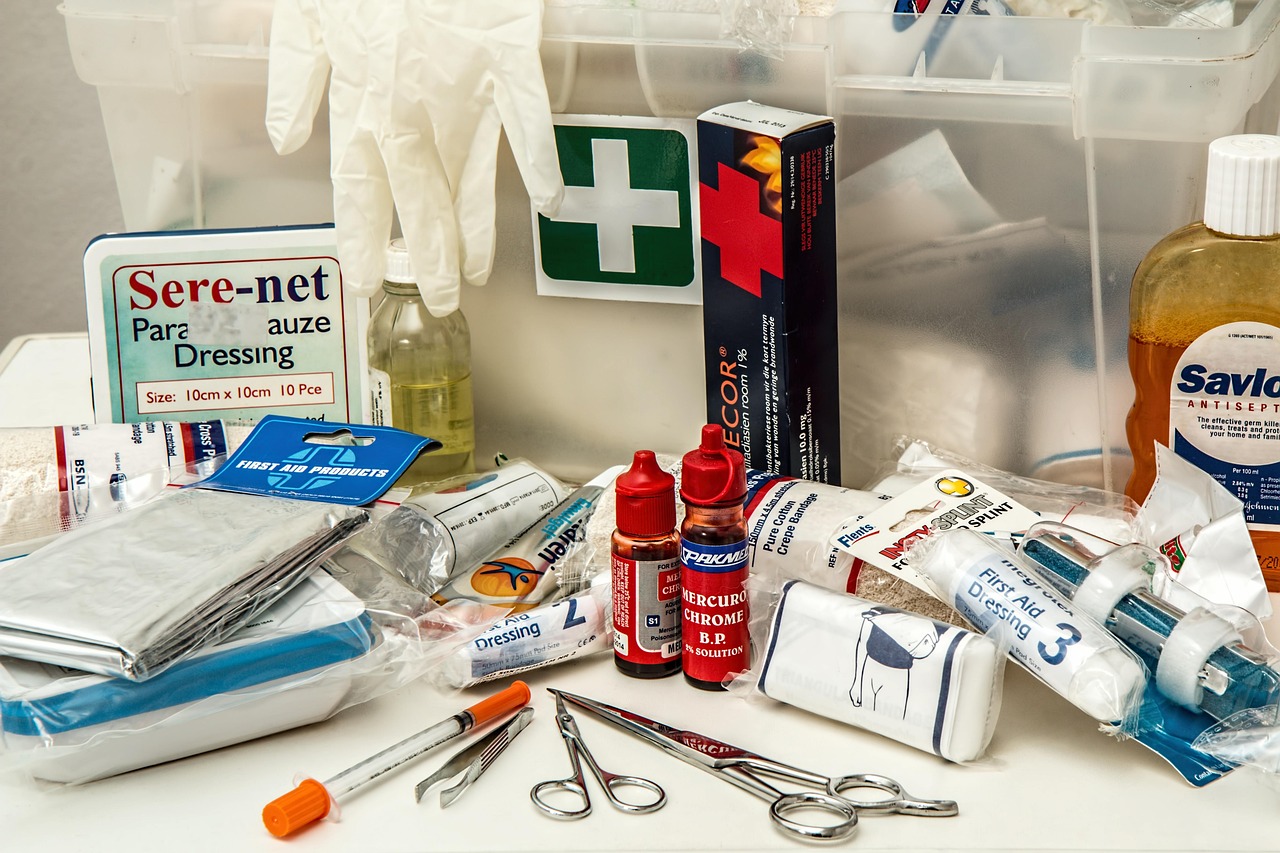
As part of your preparedness activities, compiling an emergency kit specifically for your adopted cat is essential. This kit should contain all the necessary items to care for your pet in both short- and long-term emergencies. Start by including at least two weeks’ worth of food that meets your cat’s nutritional needs. Pack enough water and a portable bowl for hydration. Don’t forget to add a can opener if you have canned food. Your cat’s favorite toys and bedding can help keep them calm during stressful times. Medications or supplements your cat regularly takes must not be overlooked. Ensure they’re easy to access in your kit. Pet first aid supplies can minimize injuries during emergencies. Include items like sterile gauze, adhesive tape, antiseptic, and tweezers. Blankets can keep your cat warm if you need to evacuate or shelter. Also, include a carrier for transport to safety. Remember to maintain this kit, checking expiration dates regularly. A well-stocked emergency kit not only assures your cat’s safety but also provides peace of mind.
An often-overlooked aspect of preparing for a cat’s emergency needs is establishing a communication plan. This includes connecting with your veterinarian and notifying them of your cat’s adoption. Schedule a complete health checkup and inform the vet about any existing health concerns. Keeping their contact information readily accessible ensures you get help promptly in an emergency. In the case of an evacuation, consider gathering pet-friendly lodgings or shelters close to your area. Websites often list these resources. Share this information with your family so they know where to head in case of an emergency. Create a group chat where updates can easily be shared amongst family members about your cat’s needs and whereabouts. Additionally, gather your cat’s documents in a waterproof folder, including adoption papers, vaccination records, and medical history. Having these documents reduces stress during emergencies. Before emergencies arise, decide on a few trusted friends who can care for your cat as a backup. This level of preparation demonstrates responsibility towards your feline friend. It also guarantees their safety during any unforeseen incidents.
Monitoring Your Cat’s Health and Behavior
The health of your adopted cat needs close monitoring, especially after adoption. Newly adopted pets might experience emotional stress leading to behavioral changes. Observing any unexpected habits can help you identify stress or illness at an early stage. Keeping a daily log of eating, drinking, and bathroom habits aids in communicating with a veterinarian if needed. Ensuring your cat receives all vaccinations provides protection against illnesses. Regular vet checkups will catch potential health concerns sooner. Funds should be set aside for emergency medical expenses. As much as you hope for a healthy pet, having a financial cushion ensures you can respond to emergencies. Consider investing in pet insurance as a precaution. This can significantly lessen the financial burden of urgent care while providing peace of mind. Encourage positive behaviors with enrichment activities such as interactive play sessions or engaging puzzles. Reducing stress will lead to a happier, healthier cat. Additionally, creating a safe space where your cat can retreat to when feeling anxious is vital. This sensitivity towards your cat’s needs fosters a strong bond and creates a harmonious living environment.
Your role in an emergency extends beyond direct care. Educating yourself about common feline emergencies and proper responses is essential. Familiarize yourself with critical signs that may indicate distress, such as excessive grooming, hiding, or changes in appetite. Understanding these signs enables prompt intervention and potential lifesaving measures. Pet CPR and basic first aid classes tailored for cats can be extremely beneficial. In addition, familiarize yourself with poison control helplines in case of ingestion of harmful substances. Keep a list of common toxic items such as particular foods, plants, and chemicals. This list can serve as a quick reference during emergencies. Another critical element is ensuring your home environment is cat-proofed. Remove hazards such as toxic plants and secure all breakable items to prevent accidents. Safeguarding your home reassures your cat feels secure. Understanding local resources also equips you during heartbreakingly unfortunate incidents. Knowing the nearest emergency vet clinics will provide quick access to help whenever trouble arises. Preparedness is a journey; learning continuously guarantees your cat’s safety. The bond between you and your pet deepens as a result of this shared journey of safety and care.
Final Thoughts on Emergency Preparedness
Preparedness is a continuous process that closely involves your adopted cat. Investing time into learning about your pet’s behavior, healthcare, and emergency strategies creates an environment that promotes a lasting bond. Involving the entire family in these preparations ensures everyone understands how to react in emergencies. More awareness leads to more manageable situations. Regular updates and checks on your emergency kit will also ensure you never feel unprepared. Conduct regular drills or discussions about what steps to take in an unforeseen event. Make these discussions engaging so they foster excitement rather than anxiety. Ultimately, your patience, love, and proactive measures create a secure environment for your new feline friend. Emergency preparedness should never become a source of stress but rather a proactive approach to ensure safety. Rely on each other whenever challenges arise. Transforming your house into a safely coordinated home for your adopted cat takes time, but every effort counts. Above all, it’s about fostering a loving home where your cat feels valued and safe. Live with the assurance that you can face emergencies together, strong in your commitment to each other.
This plan allows you to bring out the best in your feline companion while cherishing those moments of love and joy together.