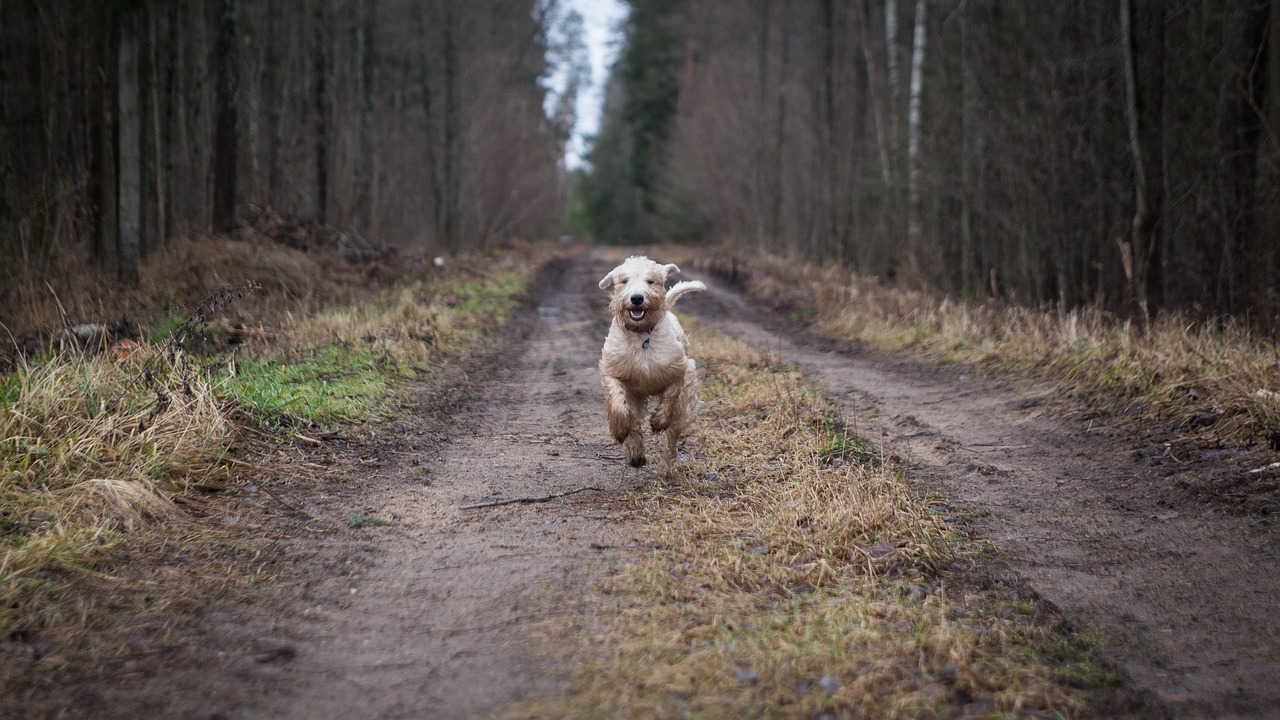

Signs Your Dog is Ready for Off-Leash Exercise
Understanding when your dog is ready for off-leash exercise is crucial for safety and fun. Dogs vary significantly in temperament, behavior, and enthusiasm for running free. To gauge your dog’s readiness, observe them in secure situations. If they consistently come when called and show little interest in chasing distraction, they may be prepared for more freedom. A strong recall is essential; practicing in a safe environment lays the foundation for successful off-leash activities. Consider your dog’s social behavior around other dogs. Dogs that exhibit good manners and positive socialization tend to enjoy off-leash time more. Additionally, age and breed play a vital role. Younger, more energetic breeds might thrive in off-leash situations, while older dogs may require a more gentle introduction. Also, check your environment for potential hazards, like traffic or wildlife. Remember to carry essentials like a leash, water, and waste bags for responsible pet ownership. Overall, patient and gradual exposure to off-leash situations is key to a harmonious experience for you and your dog.
Another critical sign of readiness is your dog’s response to distractions. If they can focus on you when there are distractions around, this indicates they are maturing in their ability to engage during off-leash play. Dogs that frequently divert their attention to squirrels or other animals might need more training before going off-leash. Begin by working on obedience in high-distraction environments, gradually increasing difficulty. During this period, avoid harsh corrections; rather, use rewards and praise to reinforce positive behavior. Consistency is essential in these scenarios—practice regularly, and don’t rush the process. Also, evaluate your dog’s fitness level and health; only fit dogs can really handle the excitement of off-leash activity. Consult your veterinarian for a thorough assessment of your dog’s health before venturing out. Go on short leash walks before off-leash outings to build fitness levels. Pay attention to your dog’s signs when they tire or become anxious. This will help ensure their readiness for longer, less structured exercise. Gradual exposure, continuous training, and regular fitness checks are paramount in determining your dog’s suitability for off-leash activities.
Behavioral Indicators of Readiness
An additional indicator of your dog’s readiness for off-leash exercise is their overall behavior during routine walks. If your dog displays excitement but is not overly hyperactive, it’s a sign of balanced energy. Look for calmness and control in various situations, especially around other dogs and people. Dogs exhibiting aggressive or overly anxious behavior may need further socialization before off-leash adventures. By engaging in regular group play or training classes, you can foster positive interactions. An adequately socialized dog knows how to communicate properly during off-leash encounters. If your dog frequently plays well with others and displays no hostility while using a leash, they may be ready. Monitor their body language; a relaxed stance indicates confidence and readiness. A tucked tail or crouched posture, on the other hand, is signs of fear or uncertainty. Encourage confidence through positive reinforcement and gradually increasing the complexity of the environments you expose them to. As a rule of thumb, observe not just what your dog does when on a leash but how they react when off-leash, too.
The type of off-leash area also matters considerably in determining your dog’s readiness. A secure and well-fenced area is ideal for beginners, especially those dogs still learning how to behave in open spaces. Visit local parks with designated off-leash areas that are safe and free from hazards. Start by allowing them to explore while on a long lead, gradually transitioning as they demonstrate their ability to remain focused on you. Be cautious of wildlife or other distractions that might prompt them to bolt away. Ensure proper identification is on your dog at all times in case they wander off accidentally. Tracking devices or GPS collars may also be useful for added assurance. You can gain more confidence in off-leash activities by gradually exposing them to more challenging environments. Test their limits and observe how well they respond to your commands in various settings, always noting their comfort levels. Being adaptable and observant can significantly strengthen your ability to determine the right moment to allow them off-leash time.
Building Skills for Off-Leash Activities
Another aspect to consider is the training foundation you have established prior to allowing your dog off-leash. Consistent training in commands like “sit,” “stay,” “come,” and “leave it” is your ally. Effective communication with your dog is vital for successful off-leash play, so training should be reinforced regularly and become a part of daily life. Utilize positive reinforcement techniques, rewarding them quickly after a command is executed well. Pay particular attention to the ‘come’ command as it may prevent dangerous situations. Dogs need to associate returning to you with positive experiences, such as treats or play. Additionally, socialization has a significant impact on your success. Dogs that engage regularly with other dogs learn vital interaction skills. Any signs of aggression or fear must be addressed before considering off-leash exercise. Young dogs should also grow accustomed to being around different breeds and sizes. The earlier they start socializing, the better they learn behaviors that are appropriate during off-leash play. Pay close attention to their interactions and adjust training plans accordingly.
Health is equally important when considering off-leash readiness. Regular veterinary check-ups help ensure that any underlying health issues are managed. It’s vital to know your dog’s age and any breed-specific trait that might influence their capabilities. Older dogs or those with specific health conditions may not excel in vigorous off-leash activities. Furthermore, monitor your dog for signs of fatigue during initial outings. Often, owners mistake enthusiasm for fitness; detecting when your dog wants to rest is essential. Adjust the pace of your excursions based on their energy levels, starting slow and gradually extending time outdoors. Your dog’s age and physical condition play a significant role in executing a successful off-leash experience. Be patient and observant as you introduce your dog to this new freedom; setbacks may happen, but learning together is valuable. Provide plenty of breaks to hydrate and rest, particularly after energetic play sessions. Well-planned off-leash activities can ultimately lead to a healthy dog, creating a happier and stronger bond between you and them.
Conclusion and Responsibility
In conclusion, knowing the signs that your dog is ready for off-leash exercises can provide a great experience for both you and your pet. Always remain vigilant, as being emotionally connected to your dog facilitates better listening and responsiveness. Regular training sessions combined with socialization will establish a strong foundation. A responsible dog owner understands both their own and their pet’s capabilities. Determine a suitable environment for off-leash activity, while considering safety first. If uncertain, seek the assistance of dog trainers to support your journey. It’s crucial that you continually establish boundaries, ensuring that your dog recognizes the limits even when off-leash. Lastly, your dog must be comfortable and confident in their abilities to ensure a joyful and safe experience. Always prioritize positive reinforcement for desirable behaviors, like returning promptly when called. Continuous assessments help you gauge your dog’s comfort and readiness. Careful planning alongside loving training approaches will ultimately lead to a fulfilling partnership between you and your beloved dog as you explore the outdoors together. Engage responsibly and enjoy countless adventures together, enhancing your bond while keeping safety first.
In summary, your dog’s readiness for off-leash exercise relies on training, behavioral indicators, health assessments, and responsible ownership. Such factors combine to create enjoyable experiences for both you and your furry friend. Happy exercising!