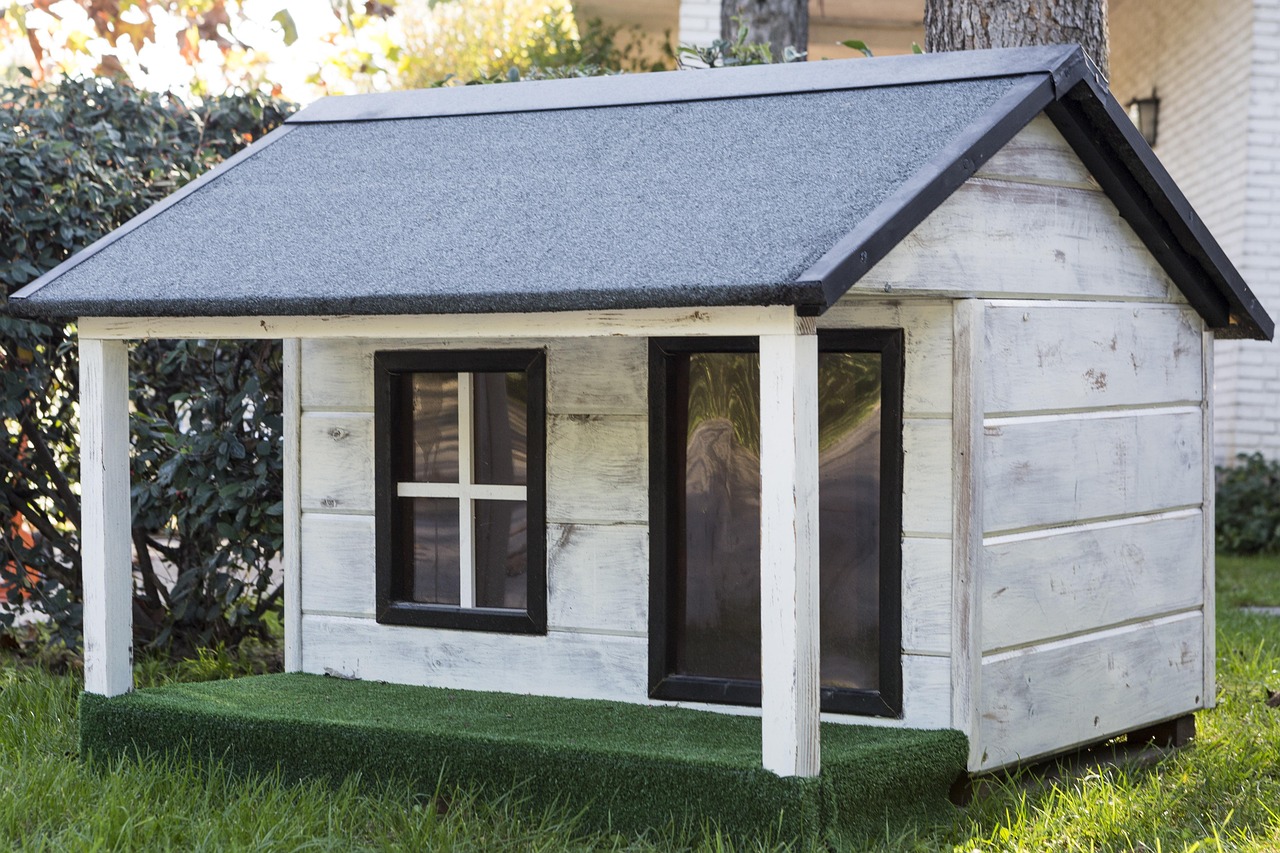

The History of Wooden Dog Houses and Their Evolution
The evolution of dog houses has been a fascinating journey through time, showcasing how our relationship with dogs has changed. Historically, wooden dog houses emerged in the early 19th century, paralleling changes in human lifestyles. Originally functional, these structures were often simple and utilitarian, designed to protect dogs from harsh weather and provide a safe space. Early dog houses varied in design and materials, but wood quickly became the preferred choice due to its availability and ease of use. As society progressed, aesthetics began to play a significant role in the design of dog shelters. Decorative elements were introduced and became common in larger estates and homes, reflecting owners’ status. Additionally, the types of wood used expanded, leading to various finishes and styles that suited individual tastes. Sustaining the natural beauty of wood while ensuring durability to withstand the elements became a priority. Selecting the right wood type, such as cedar or pine, provided improved longevity and resistance to pests. Learning about these historical trends offers valuable insights into dog house design evolution and influences on contemporary styles.
Following the initial trends, dog houses began to reflect different architectural styles, blending functionality with artistic design. By the mid-20th century, wooden dog houses became more sophisticated, showcasing finishes that aligned with home decors. The growing interest in pet welfare resulted in innovations that prioritized canine comfort and safety. Insulation and ventilation improved, ensuring a cozy environment for furry companions. Some designs featured raised floors to prevent moisture and drafts while incorporating decorative elements like trim and paint. This evolution mirrored the deepening bond between dogs and humans, treating pets more like family members. In addition to aesthetic enhancements, dog houses started to incorporate advanced features, such as built-in feeding stations or compartments for storage. Homeowners began to personalize these structures, often naming them or adding unique touches like favorite colors. The rise of eco-consciousness also influenced trends, with many choosing sustainable materials and aiming for a minimal environmental footprint. Today, custom wooden dog houses are readily available, designed to suit specific breeds, sizes, and preferences. This reflects an ongoing commitment to meeting dogs’ needs and a continued evolution toward greater comfort and style.
Modern Developments in Dog House Design
Today’s wooden dog houses have evolved significantly from their early designs, showcasing technology and fashion seamlessly. Modern wooden dog houses now offer everything from stylish aesthetics to innovative functionalities, aiming to enhance pets’ quality of life. Utilizing advanced designs, many manufacturers have incorporated multi-purpose features that serve both practical and aesthetic purposes. For instance, some wooden houses now come equipped with climate control systems, ensuring dogs remain comfortable during extreme weather conditions. Elevated designs address flooding and ensure ventilation, providing dogs with a pleasant atmosphere. Moreover, the concept of modular dog houses has gained traction, allowing flexibility in arrangements and sizes to suit homeowners’ needs. Another development is that many wooden dog houses are customizable, offering various options regarding size, finish, and embellishments. This level of personalization enables owners to tailor the house to their dog’s personality and their yard’s aesthetics. Additionally, there’s been a surge in DIY dog house projects, fueled by online platforms where enthusiasts share their designs and tips. This trend not only fosters creativity but also strengthens bonds between owners and their pets through shared projects.
Another significant aspect of modern wooden dog houses is their ecological footprint. With increased awareness of sustainability, many manufacturers focus on responsibly sourced materials to minimize environmental impact. This includes using reclaimed wood or products certified by environmental organizations. Such materials not only enhance durability but also promote an eco-friendly lifestyle for pet owners, encouraging a natural environment for dogs. Furthermore, companies are applying innovative treatment methods to protect the wood from pests and weather without relying on harmful chemicals. As a result, many modern dog houses are safer for pets and the environment. Simple maintenance practices can enhance longevity as well, offering significant savings over time for owners. With the added influence of social media and the growing pet parenting trend, unique designs of dog houses have captured the interest of the public. Artistic home decor styles are now reflected in dog house construction, offering highly aesthetic options that owners proudly display in their backyards. Consequently, wooden dog houses have transcended being mere shelters. They have evolved into vital components of a cohesive home environment, showcasing the love and attention given to our beloved pets.
Cultural Significance of Dog Houses
The cultural significance of dog houses in different regions is an important consideration. Across the globe, wooden dog houses reflect specific cultural practices and traditions. In various cultures, the design and construction methods illustrate local materials, architectural styles, and lifestyle aspects. For instance, Scandinavian countries often design dog houses with minimalistic aesthetics, focusing on form and function. Conversely, Mediterranean regions may incorporate vibrant colors and patterns, representing their lively culture. Furthermore, some cultures view a wooden dog house as a status symbol, often showcasing their craftsmanship through ornate detailing and elaborate designs. These regional influences significantly impact the choices made by pet owners when selecting a suitable dwelling for their dogs. Additionally, the emotional bond between dogs and their owners influences these design choices, leading to houses adorned with personal touches. Understanding the aging and continual relevance of wooden dog houses across various cultures provides insight into how humans express love for their furry pets. This evolution is particularly noticeable in urban spaces, where urban design merges with pet-friendly practices, inspiring unique living solutions for families and pets together.
Moreover, as the concept of pet ownership expands, so does the functionality of wooden dog houses. Innovations have introduced features such as surveillance cameras, remote heating, and cooling systems, turning a simple dog house into a high-tech retreat. Pet owners today are increasingly concerned about their dogs’ well-being, reflecting on how the dog house can contribute positively to their pets’ lives. This is further heightened by the ongoing trend of outdoor living spaces, where dog houses are becoming integral components, seamlessly blending with patios and gardens. Homeowners now consider their dog shelter’s appearance an extension of their home’s overall aesthetics. Consequently, many businesses have jumped on this trend, offering custom designs tailored to specific home styles or colors. This market’s response underscores how dog houses transition from mere shelters to pieces of art, resonating with contemporary home designs. Addressing this combination of style, sustainability, and innovation has grown in importance as more people view their pets as cherished family members. As a result, the market for bespoke wooden dog houses continues to flourish, with significant investment in creativity and craftsmanship.
Future Prospects for Wooden Dog Houses
Looking ahead, the future prospects for wooden dog houses appear bright and promising. As we advance, technology and design innovations will continue to shape how we perceive and create dog shelters. The integration of smart technology into dog houses is likely to increase, with features like temperature regulation and remote monitoring becoming standard. Furthermore, sustainable practices will take center stage, putting pressure on manufacturers to design environmentally friendly products while ensuring quality and longevity. A growing trend is incorporating recyclable materials into dog house designs, ensuring that they can be easily disposed of at the end of their lifecycle. As we witness a surge in pet ownership, the demand for custom wooden dog houses will likely spike, resulting in more diverse styles across various markets. The ongoing focus on functionality and aesthetics will drive continuous development, transforming dog houses into multifunctional spaces. These innovations will reflect ongoing changes in consumer preferences, where comfort, style, and sustainability are paramount. Ultimately, wooden dog houses will continue to evolve, adapting to our lifestyles and the needs of our canine companions, ensuring lasting comfort and joy for all.
In conclusion, the history and evolution of wooden dog houses exemplify the rich bond between humans and their furry companions. From practical origins to luxurious designs, these shelters have morphed into artistic and functional expressions of love and care. Cultural influences and advancements in materials have profoundly shaped their development, influencing how today’s architectural and decorative choices are made. The impact of changing human perspectives on pet ownership can be seen as evidenced by the growing customization and technological advances incorporated into modern dog houses. This journey reflects our ongoing commitment to providing the best for our pets, enhancing their lives while complementing our homes. As we continue to cherish our dogs as members of our families, the demand for refined, stylish, and functional wooden dog houses will undoubtedly flourish. The future showcases an exciting blend of creativity, innovation, and sustainability, ensuring that our beloved canine companions will always have a special place to call home. Whether through environmentally conscious choices, stylish enhancements, or advanced technology, the quest for the ideal dog house will remain a priority for many pet owners, demonstrating the profound love and care we have for our dogs.