
Understanding Canine Body Language for Better Training
Understanding canine body language is crucial for effective training. Dogs communicate through various visual signals that convey their feelings and intentions. By recognizing these signals, dog owners and trainers can improve the training experience. Core components of canine body language include posture, facial expressions, and tail movements. Observing a dog’s body posture is foundational; it can signal whether a dog is relaxed, anxious, or aggressive. For example, a dog with ears pulled back and a lowered body might be feeling threatened or submissive. Furthermore, facial expressions can indicate a dog’s emotional state; a relaxed mouth suggests calmness, while bared teeth can indicate stress or aggression. Tail position complements these signals, as a wagging tail can mean excitement but also, depending on the speed and height, might signify nervous energy or submission. Awareness of these signals allows dog owners to respond appropriately and tailor their training methods accordingly. Additionally, incorporating positive reinforcement when a dog exhibits calm behaviors can enhance learning and foster a stronger bond between the dog and owner.
Once you start to recognize basic body language signs, you can enhance your communication with your dog. Dogs communicate subtly; understanding micro-signals is key. For instance, if a dog consistently avoids eye contact, it may signal discomfort or stress rather than aggression. Conversely, a direct stare can communicate confidence or challenge. It’s important for owners to avoid misinterpretation of these signals to encourage a positive training environment. By remaining calm and composed, trainers can create a safe space for learning. In addition to recognizing body language, training methods should consider the dog’s emotional well-being. A well-balanced approach where the dog’s anxiety levels are assessed is beneficial in fostering a productive learning environment. Using treats as incentives can help ease stress and encourage positive behaviors. Furthermore, regular training sessions should be combined with play to reinforce learning without making the dog feel overwhelmed. Incorporating varied activities ensures training doesn’t become monotonous, keeping your dog mentally stimulated and engaged. Understanding these aspects can ultimately lead to more successful training outcomes, greater mutual respect, and a harmonious relationship.
One essential aspect to understand is how a dog reacts to its environment. Dogs experience the world differently; their environment significantly influences their body language. Factors like surrounding noise, the presence of other animals, and weather can impact behavior. For example, a dog may display fearful body language during thunderstorms or loud fireworks, indicating it’s uncomfortable and needs reassured. Additionally, social settings provide various stimuli that can alter a dog’s body language dramatically. For example, a dog that typically appears confident may become timid in unfamiliar scenarios. Observing environmental triggers allows dog owners to predict a dog’s responses. Training should adapt to these contexts, ensuring that the dog is not placed in overwhelming situations. Teaching dogs to associate positive experiences with challenging environments can help. Gradual exposure paired with positive reinforcement strengthens the dog’s confidence over time. Always remember that patience is crucial; gradual progression allows the dog to feel secure. When training outdoors or in new settings, ensuring the dog’s comfort can greatly influence the success of the session, ultimately facilitating better behavioral responses.
The Role of Facial Expressions in Training
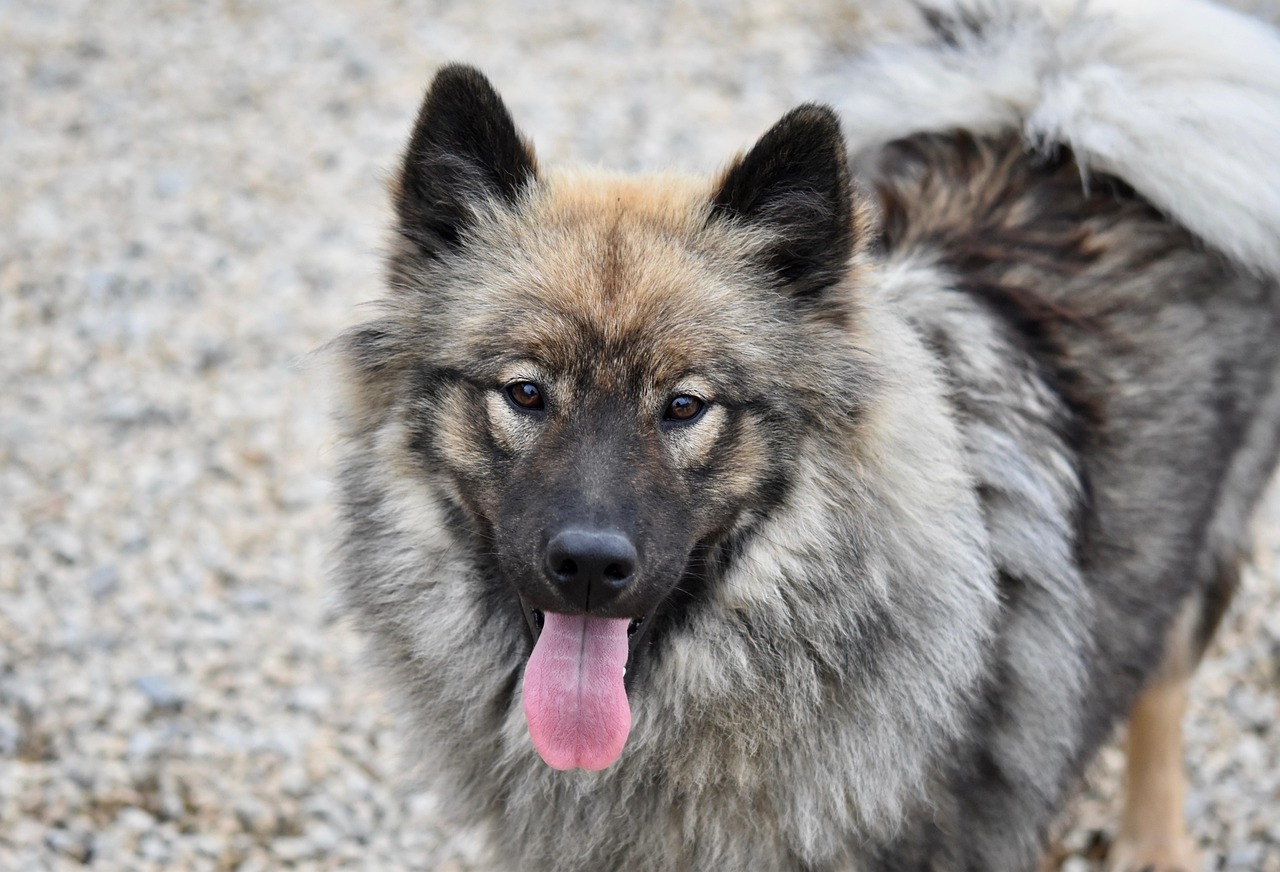
Facial expressions in dogs also serve as a prominent part of their body language. Recognizing these facial cues can significantly enhance the training process. A dog’s face carries a variety of emotions and intentions; for instance, a relaxed, open mouth can indicate happiness and readiness to learn, while a tense face might signal stress or confusion. Additionally, subtle changes, like a slight furrow of the brow, can indicate curiosity. Tracking these expressions allows trainers to gauge how engaged a dog is during training sessions. Positive reinforcement can encourage joyful expressions, solidifying a dog’s emotional bond with its handler. Research has shown that dogs respond favorably to their owner’s expressions; they can sense happiness and excitement in their owner’s voice and face. This interaction can enhance obedience and willingness during training. Practicing in front of a mirror can help handlers recognize their own expressions, ensuring they communicate warmth and encouragement. Furthermore, a positive relationship fosters trust, which is vital for effective training. As training progresses, the dog can display increased confidence and a willingness to attempt new commands based on learned cues.
Another important aspect of canine body language is ear position and movement. Dogs use their ears for more than hearing; these are crucial in communication. For instance, relaxed ears indicate a calm demeanor, while pricked ears can signal alertness or curiosity. When dogs tilt their heads or flick their ears back, they might be processing information or expressing uncertainty. Being aware of what these ear movements indicate is essential for effective interaction during training. A dog with ears pulled back may be feeling defensive or anxious, while a dog with ears pointing forward usually shows interest or eagerness. Adjusting the training environment to accommodate a dog’s comfort level is imperative for progress. Encouraging a dog to express positive body language during training can involve rewarding with praise or treats when ear signals are favorable. By positively reinforcing calm behaviors, trainers increase the likelihood of these behaviors reoccurring. Moreover, observing ear signals in combination with other body indicators provides a comprehensive understanding of a dog’s emotional state. This holistic awareness greatly enhances training sessions and allows for more effective communication between the dog and the owner.
Developing muscle memory through consistent training is essential for dogs, and understanding body language can facilitate this process. Dogs thrive on routine and familiarity; these aspects help them learn and recall commands quickly. Body cues are an extension of verbal commands; for example, a specific hand signal can harness a dog’s learned knowledge positively. Likewise, trainers can strengthen commands through consistent body language strategies. For dogs, repetition coupled with positive feedback solidifies learning. Visual cues, including hand signals, provide dogs with an additional layer of understanding in command execution. For instance, using a directional point for ‘come’ alongside the verbal cue allows the dog to associate the movement with the command. Furthermore, ensuring each training session includes breaks helps maintain a dog’s interest and focus. A brief pause aids in digesting information learned. By varying training activities and reinforcing good behaviors, dogs will likely exhibit enthusiasm during lessons. The combination of body signals, positive reinforcement, and engaging activities creates an optimal learning environment. Establishing a routine where body language is consistently acknowledged can ultimately enhance a dog’s ability to learn commands while nurturing a trusting trainer-dog relationship.
Strategies for Assessing Stress in Dogs
Recognizing stress signals in dogs is essential for training effectiveness. Dogs may display various signs when they feel overwhelmed, and acknowledging these cues can guide training adaptations. Common stress indicators include yawning, lip licking, and pacing. For instance, if a dog begins to yawn frequently during training, this may suggest it is anxious or bored. Identifying such signals early allows trainers to adjust their approach, ensuring that the dog feels comfortable. Providing breaks, altering the training activity, or changing the environment may help alleviate stress. Creating a calming, reassuring atmosphere will aid in boosting a dog’s confidence. It’s also important not to push a dog past its limits. Understanding a dog’s unique personality and sensitivity to stress is crucial during training. Tailoring practices according to a dog’s specific needs fosters better outcomes. Encouraging a relaxed ambiance promotes open communication and a willingness to learn. This sensitivity informs training modifications, enhancing overall success. By becoming adept in reading stress cues, trainers can create a more effective learning experience, promoting a trusting and positive relationship with their canine companions.
Finally, integrating what you learn about canine body language into daily interactions can enhance your bond with your dog. Building a relationship based on understanding can foster greater trust and loyalty. Using body language awareness in everyday situations can make communication clearer. Practicing patience and mindfulness during this process allows for better observation of your dog’s reactions. Regularly using techniques that you find work effectively during training can transition smoothly into daily routines, reinforcing learned behaviors. Providing ample opportunities for physical exercise, socialization, and mental stimulation will collectively contribute to your dog’s overall well-being. For example, engaging in play or taking long walks provides an outlet for behaviors while reinforcing positive body language. Creating positive experiences beyond formal training sessions enhances a dog’s overall learning. Additionally, involving family members in understanding canine body language can lead to consistency in interactions. The more insight caregivers have into how to respond, the better they will communicate with the canine. Continually learning and adapting your strategies promotes an environment for growth, leading to a more harmonious relationship between you and your beloved dog.