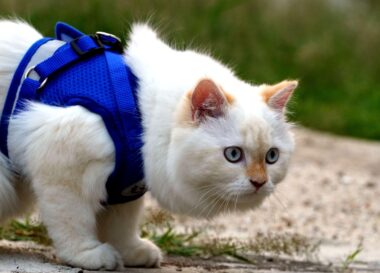

Getting Your Cat Comfortable with a Harness: Patience and Practice
Training your cat to use a harness can be a rewarding experience for both you and your feline friend. Cats are naturally curious, and introducing them to a harness early can help them feel secure while giving you control during outdoor excursions. The first step involves selecting the right harness; ensure it’s designed specifically for cats to provide the best fit. This prevents any discomfort that could lead to aversion. Begin by letting your cat sniff the harness and investigate it at their own pace. This helps them become familiar with the item and reduces any apprehension they may feel. Initially, practice indoors, allowing your cat to wear the harness for short periods. Use treats to associate the harness with positive feelings. Consistency is key; gradually increase the duration your cat wears it. Don’t rush into outdoor adventures immediately. Consider attaching a leash to the harness inside your home, guiding them gently to build their comfort level. Remember, patience is essential as you embark on this new journey with your cat. Each individual cat has its own pace, so be prepared for adjustments as necessary.
After your cat feels comfortable at home with the harness, it’s time to introduce them to the great outdoors. Begin with short and familiar environments, such as your backyard or a quiet park. Keep the time spent outside limited at first to avoid overwhelming your cat. Observe their reactions; some cats may be frightened or anxious when experiencing new sights, sounds, and smells. Gradually increase the outdoor exposure as your cat adjusts to these changes. Always keep an eye on your cat’s body language during the first outings, watching for signs of stress such as hiding or rapid tail movements. As they grow more accustomed to being outside in a harness, allow for exploratory play under your supervision. Utilizing a long leash can give your cat the impression of freedom while maintaining control. If they seem to enjoy the experience, reward them with treats or praise. This not only reinforces the positive behavior but helps in building their confidence outdoors. Over time, your cat will likely look forward to these outdoor activities, and it can become a joyful bonding moment for you two.
Building Trust Through Training
Trust is a pivotal component when it comes to training your cat to wear a harness. Your feline will respond best when they feel safe and confident around you. Start this process by creating a relaxed atmosphere; choosing a low-stress environment enables your cat to relax fully and engage with the harness. Utilize treats or their favorite toys to motivate them. Each time your cat interacts positively with the harness, reward them immediately. This positive reinforcement encourages them to explore and accept the harness more willingly. Training sessions should be short and rewarding; cats have shorter attention spans, making frequent breaks essential. If your cat exhibits signs of stress or disinterest, pause and try again later. Training should be a fun experience, not a chore. A calm approach fosters a smoother training journey. Additionally, don’t forget to incorporate playtime and other bonding activities outside of training sessions. This helps build an inclusive relationship, making harness training an anticipatory and delightful experience for your cat as they accompany you on walks or just enjoy some fresh air together.
One common challenge with harness training is ensuring the right fit. A poorly fitting harness can create discomfort, which may lead to resistance. Check the manufacturer’s guidelines on sizing; it’s often best to measure your cat’s neck and girth to select the perfect harness size. Once you purchase a suitable harness, allow your cat to wear it without the leash for a few sessions indoors, gradually introducing the leash once they adapt. Take time to adjust the fit; the harness should be snug but not tight. You should be able to fit one or two fingers between the harness and your cat’s skin. Regularly check for any signs of irritation or discomfort as they wear the harness. If your cat shows signs of distress or biting at the harness, it may need adjustment or replacement. Keep your atmosphere light and positive, providing validation through treats and praise. Providing a comfortable harness ensures that your cat associates positive experiences with the harness, ultimately making the training process much more successful and enjoyable for both of you.
Consistency and Routine
Once your cat gets used to the harness, it’s essential to maintain a consistent routine. Daily exposure to wearing the harness, even if just indoors, helps to reinforce their comfort and acceptance. Schedule specific times for practice and outdoor sessions, so your cat learns what to expect. Routine can be reassuring for pets, establishing a sense of normalcy. During these sessions, include activities they enjoy, like playtime or exploring new areas at home or outside. Familiarizing them with different surfaces, sounds, and smells is crucial for gradual acclimatization. Always monitor their reactions, and if they grow anxious or hesitant, take a step back. Encourage gradual reinforcement; if they respond positively by sniffing or walking calmly, reward them, reinforcing the bond created through positive experiences. Introduce variations in locations as they become comfortable, and ensure the surroundings are safe from sudden loud noises or unpredictable encounters. This predictable environment allows your cat to focus on their trust in you and the harness rather than the unfamiliar experiences surrounding them. Over time, they will eagerly anticipate their routine, leading to successful harness training.
Socialization plays a supportive role in harness training. If possible, create opportunities for your cat to interact with other pets wearing harnesses. Observing other animals can enhance their confidence and curiosity. Ensure these interactions are controlled and gradual, as not all cats are social creatures. Always prioritize their comfort level and choose potential playmates carefully. Positive interactions can significantly affect your cat’s acceptance of wearing the harness. Attend local pet events or cat meetups where leash-trained felines gather; these experiences provide an excellent exposure opportunity. You can also consider friends with well-trained cats for casual playdates. Additionally, when outside, make sure your cat sees other pets engaging peacefully within their environment. This will positively reinforce the idea of socialization while they wear their harness. Be patient and gentle during these interactions, and reinforce desired behaviors with treats. While socialization may be challenging, it can significantly enhance your cat’s overall harness training journey. As they learn to associate the harness with confident exploration, they may also make new friends in the process, leading to a happier and more contented feline companion.
Final Thoughts on Harness Training
In conclusion, training your cat to use a harness takes time, dedication, and a significant amount of patience. It’s crucial to understand your cat’s unique personality and preferences throughout the training process. Every cat is different, some may take to the harness quickly, while others may show reluctance. Therefore, tailor your approach based on how your cat responds. As they grow comfortable with the harness, you’ll find adventures together outdoors are not only enjoyable but fulfilling. Encourage positive experiences with treats and engage during each session. Celebrate small milestones, such as your cat wearing the harness without fuss or exploring outside for the first time. Most importantly, keep the atmosphere light and playful, reinforcing the training with affection. If at any time your cat shows signs of extreme stress, allow them to take a break. The goal is to create shared happy experiences that foster a loving bond. Remember, patience during this phase is vital, as your dedication will lead to a great companionship while wearing their harness, creating marvelous memories together as they explore the world around them.
A well-trained cat in a harness can enrich both of your lives. The companionship of a leash-walking cat expands their horizons while also providing important exercise and mental stimulation. Regular outdoor experiences can enhance your cat’s quality of life. As a responsible pet owner, engaging in these activities allows your feline friend to experience nature safely. Always adhere to safety regulations while outdoors, keeping your cat on a leash and within a controlled area. Be mindful of temperature and weather conditions before heading out. If it’s too hot or cold outside, consider shorter walks or indoor playtime instead. This ensures you’re aware of their well-being and prevents any negative reactions to harsh weather. Be prepared for potential distractions like birds, other pets, or people, as these can cause your cat to react unexpectedly. Consistently reinforcing good behavior and keeping a calm demeanor is critical during these distractions. Ultimately, these adventures bring joy and happiness as your cat finds new thrills while wearing their harness. The key is ongoing patience through the entirety of the training process. With love and encouragement, harness training will truly forge lasting memories.