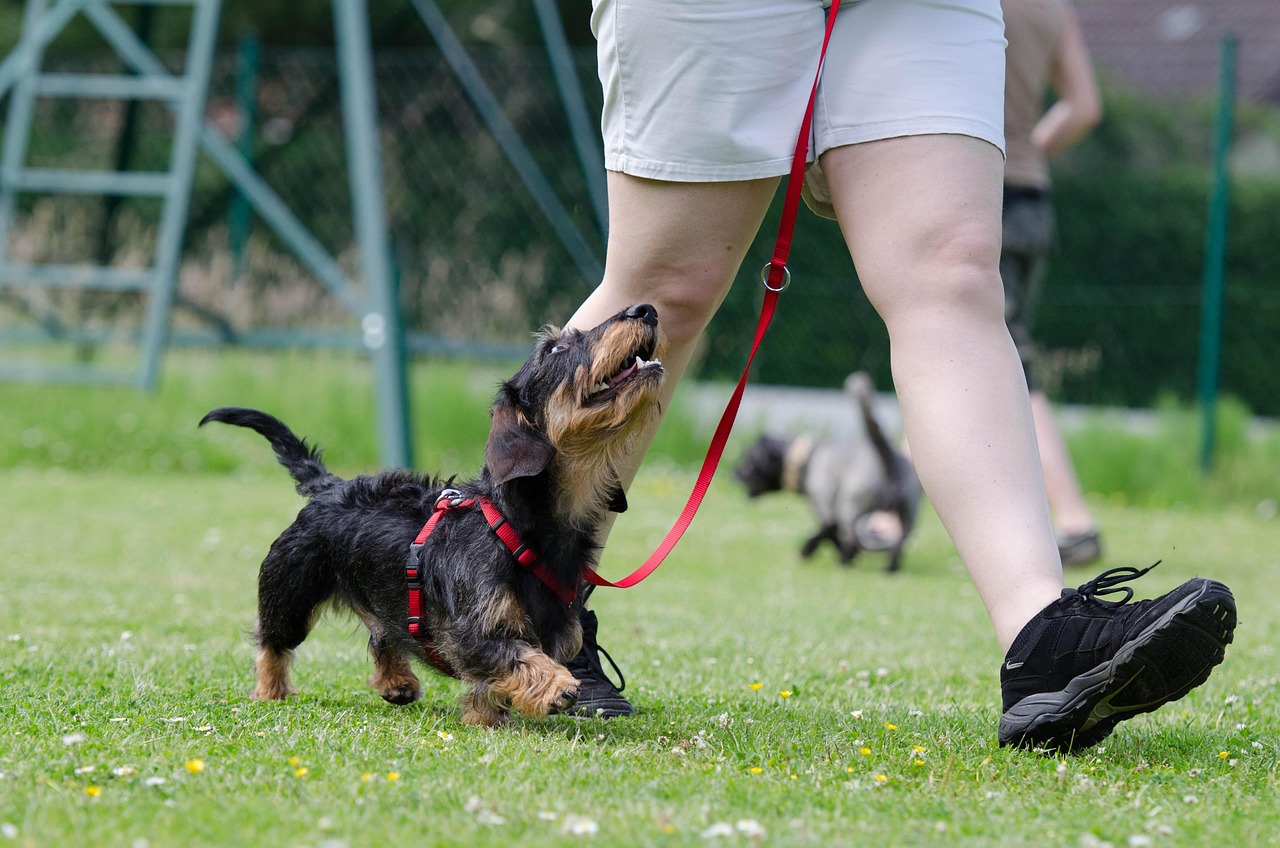

Hands-Free Dog Training: Belt and Clip-On Treat Bags Compared
When training dogs, having efficient equipment can make a huge difference. Two popular options for carrying treats are belt bags and clip-on bags. Both styles have their pros and cons, impacting functionality and comfort during training sessions. Belt bags typically offer more storage space and easier access since they often come with multiple compartments. This allows you to carry various treats efficiently. Alternatively, clip-on bags are generally lighter and more portable, making them ideal for short training sessions or walks where simplified access to treats is necessary. Each option caters to different training environments and personal preferences. Suitable materials are also essential when choosing between these bags, ensuring durability and usability in various weather conditions. Ultimately, the choice may come down to individual training styles and the specific needs of the dog. Experimenting with either bag can lead to discovering which style best suits both you and your dog. Consider your training goals, frequency, and environment to determine the right fit for your needs. This understanding sets the stage for more rewarding training sessions. In closing, both bag types can enhance your training experience tremendously.
Benefits of Using Belt Bags
Belt bags have gained popularity among dog trainers due to their numerous advantages. One primary benefit is accessibility, as they typically allow quick access to treats, making it easier to reward dogs promptly. Many models also feature additional compartments for storing essentials, such as clickers and toys. The secure placement around the waist offers a sense of stability, allowing trainers to move freely without mishaps. The adjustability in strap lengths can accommodate diverse body shapes and sizes, promoting comfort during lengthy training sessions. Furthermore, some belt bags are designed with water-resistant materials, adding a layer of protection against spills and adverse weather. When choosing a belt bag, consider the design and its compatibility with your training routine. Many trainers also appreciate reflective elements for added safety during evening walks. Ease of cleaning is another aspect worth considering; machine-washable materials are often preferred. Be sure to check reviews that highlight user experiences with specific products. Investing in a quality belt bag can significantly enhance your overall dog training experience, ultimately contributing to better outcomes for both the trainer and the dog.
On the other hand, clip-on treat bags provide a unique solution for minimalist trainers who prefer simplicity. These compact alternatives are easy to attach to various clothing items, such as belts or pockets, ensuring quick grabbing of treats during training sessions. Many trainers appreciate their lightweight design, which feels less bulky and more comfortable compared to belt bags. Furthermore, clip-on bags can adapt to different training environments, from casual walks to more structured sessions. Their versatility makes them a popular choice among dog trainers. When selecting a clip-on bag, consider materials that withstand wear and tear while finding an appropriate volume for the types of treats used. Some styles even feature zippers, ensuring that treats remain secure while still being accessible. Many clip-on bags come in fun colors and designs, allowing trainers to express their style while attending to their dog’s needs. Whether you are a novice or an experienced trainer, investing in a reliable clip-on treat bag can streamline your training sessions. With the right choice, you will be better equipped to manage your dog’s behavior while maintaining a fun and engaging training atmosphere.
Choosing the Right Bag for Your Needs
Ultimately, the choice between belt bags and clip-on bags hinges on your specific needs and training style. Each option is designed with different user preferences in mind, so assessing your daily routines is crucial. Factors such as comfort, ease of access, and storage capabilities should influence your decision. To help make an informed choice, create a list of features that are essential for your training environment. This might include waterproof materials, pockets for additional gear, or lightweight construction. Budget is another consideration, as prices for these bags can vary significantly. Research and read reviews from fellow dog trainers to gain insights into each product. Online market places often feature user-generated content that reflects real-world experiences with specific bags. Do not hesitate to test both types if possible. Sometimes hands-on experience is the most effective way to discover what feels best for you. Engaging in discussions with local trainers or at dog training classes can aid in obtaining feedback and suggestions. Your dog’s behavior and your training goals should ultimately guide your choice, leading to a more enjoyable training experience.
Handling treats on the go can often be a messy ordeal, especially without proper storage solutions. Both belt and clip-on treat bags help alleviate the chaos that can arise from training sessions. When treats are easily accessible, trainers can provide timely rewards to their dogs, fostering more effective learning. A well-designed bag can also minimize distractions, allowing both the trainer and the dog to focus on their tasks at hand. Consider this: when rewards are given quickly, dogs tend to associate good behavior with positive feedback, leading to a more responsive pet. Evaluating how treats are stored and retrieved plays a significant role in shaping a dog’s behavior. A messy bag can lead to spilled treats, causing disruptions during important training moments. Thus, it’s important to choose a bag that complements your training style and method of treat distribution. Investing in quality materials can extend the lifespan of your chosen bag, providing value over time. Seriously considering how often you train and the size of your dog’s favorite treats will assist with long-term satisfaction. Walking, running, and training should become seamless experiences free of unnecessary struggles.
Conclusion: Making the Best Choice
In conclusion, deciding between belt bags and clip-on bags depends on personal preferences and training needs. Each type offers distinct features that cater to specific training environments. Belt bags provide substantial storage and easy access for comprehensive training sessions, while clip-on bags excel in lightweight portability and simplicity, fitting well with casual outings. To choose wisely, assess your training habits and the characteristics that matter most to you. The value of hands-free training equipment cannot be overstated; it can significantly enhance the effectiveness of your training sessions. Remember that your dog’s comfort and motivation should remain a priority during this selection process. Additionally, have an open mind to experimenting with different bags, as your training style may evolve over time. Take the opportunity to learn about whatever bag you choose and its unique features. Realize that both options serve the purpose of facilitating rewarding experiences for both you and your dog. With a suitable treat bag, you are one step closer to achieving your training goals, resulting in a happier, well-behaved pup.
A final noteworthy mention is the importance of practicing with whichever bag you select. Getting accustomed to using it effectively can lead to a smoother training experience over time. Take the time to familiarize yourself with the opening mechanism, compartments, and any features that differentiate your chosen bag. Mastering these elements will enhance your ability to reward your dog quickly and efficiently. Moreover, don’t underestimate the value of consistent training practices in conjunction with proper equipment. Adopting a routine that incorporates regular training can significantly improve your dog’s responsiveness. Evaluating progress with each training session can inform adjustments necessary for achieving desired outcomes. The collaboration between trainer and pet is paramount; consider how much easier training can be when equipped with the right tools. In essence, the combination of effective techniques and a supportive dog training equipment will fortify your training foundation. Choose wisely, and remain committed to the journey ahead. Your bond with your dog will grow stronger through persistent effort and the right choices.