
Homemade Dog Food Recipes with Added Fish Oil
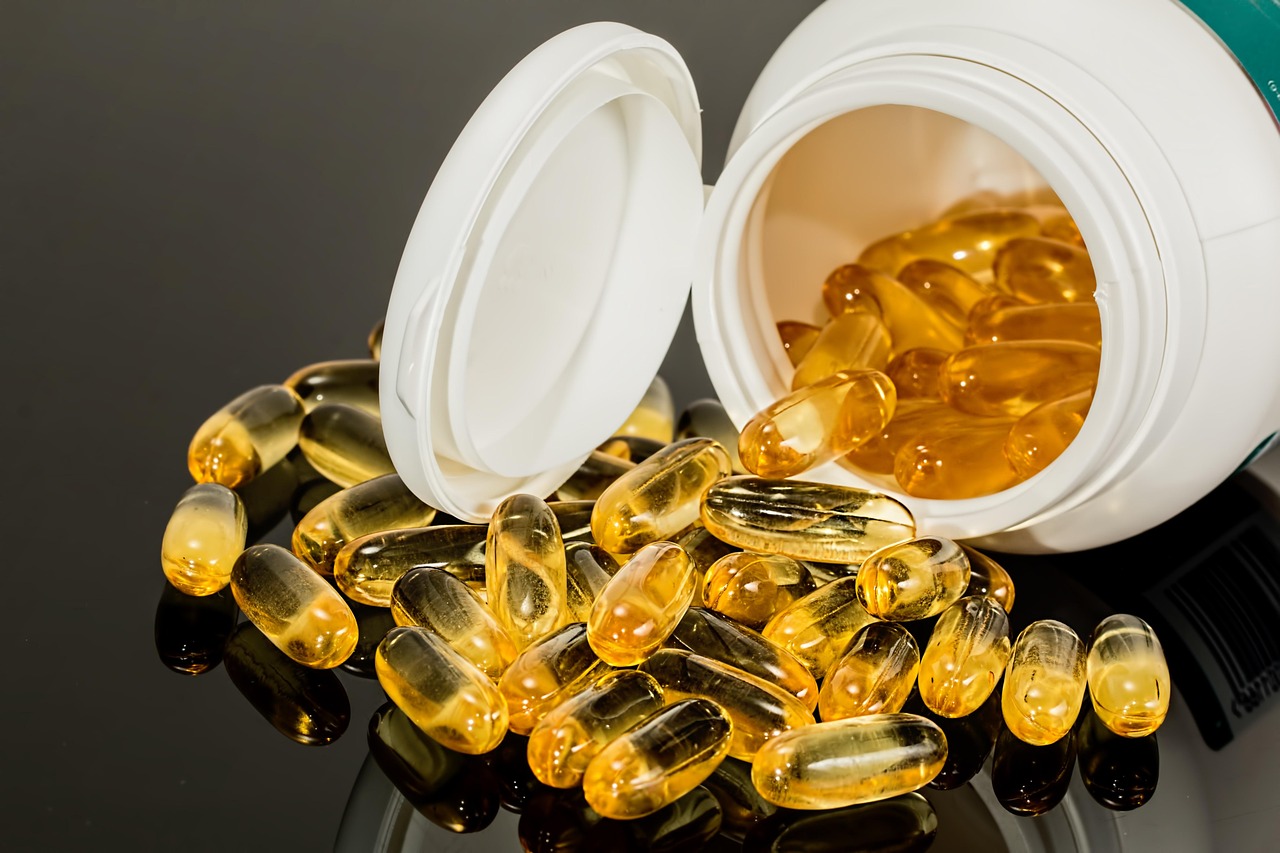
Providing your dog with a balanced diet is essential for their overall health and well-being. One of the best ways to ensure your beloved pet receives crucial nutrients is through homemade dog food enriched with fish oil supplements. Fish oil is packed with omega-3 fatty acids, which are beneficial for skin, coat, and joint health. Key benefits of incorporating fish oil into your dog’s diet include improved heart health, enhanced cognitive function, and reduced inflammation. When preparing homemade dog food, you can consider adding various protein sources such as chicken, beef, or fish, coupled with vegetables and grains for a complete meal. Offering your dog these nutritious meals will not only satisfy their taste buds but also enhance their quality of life significantly. Always remember to consult your veterinarian before making changes to your dog’s diet, especially regarding supplement inclusion. You want to ensure the ingredients are suitable for your dog’s specific health needs and conditions. Additionally, ensure to measure the fish oil dosage according to your dog’s weight for optimum benefits and avoid any potential gastrointestinal issues.
Key Ingredients to Consider
When it comes to preparing homemade dog food with fish oil, you must choose the right ingredients to blend appropriately. Start with a good protein source, such as ground turkey or chicken, which provides essential amino acids necessary for muscle health. For carbohydrates, consider brown rice or sweet potatoes, which offer sustained energy release. You might also want to include a selection of vegetables like carrots, peas, and spinach, all of which contribute vitamins necessary for your dog’s health. Fish oil can be added during the cooking process or served separately, depending on the recipe you’re following. Remember that the fish oil type matters; opt for high-quality options derived from cold-water fish to ensure you maximize omega-3 benefits. Also, consider supplements that come in liquid form, as they can be easier to integrate into the meals. Always keep in mind the dog’s individual dietary needs and preferences, making adjustments as necessary for allergies or sensitivities. This fun and nutritious dog food preparation experience can also lead to a stronger bond between you and your pet as you explore flavors they love.
One fantastic homemade dog food recipe that incorporates fish oil is chicken and brown rice. Start by cooking 2 1/2 cups of brown rice according to the package instructions. Set the rice aside, and in a large pot over medium heat, cook 3 pounds of ground chicken until it’s no longer pink. Next, add the cooked rice, 1 cup of carrots, and 1 cup of peas. Allow everything to blend and heat thoroughly. After cooling the mixture, drizzle the appropriate amount of fish oil over it before serving. This recipe is full of flavor and nutrients that dogs thrive on. Another recipe option is salmon and sweet potatoes, which also makes a delightful meal. Begin by cooking 2 medium sweet potatoes until they are tender. Combine with 1 can of boneless salmon, along with skin and bones removed. Mash everything together, and don’t forget to mix in fish oil for added health benefits. Your dog will absolutely appreciate these delicious meals that contribute positively to their health and happiness. Variations in this recipe can include adding other vegetables your dog enjoys.
When serving homemade dog meals enriched with fish oil, introduces new meals gradually to avoid upsetting their stomach. Start by replacing a small portion of their regular food with the homemade concoction. You’ll want to monitor their reaction closely, looking out for any signs of allergies or sensitivities. Ideally, over a week, you can slowly transition them to accept these homemade meals as their primary source of nutrition. Additionally, ensure to consult with your vet about how to implement these dietary changes effectively. They may offer valuable insights into portion sizes and nutritional balance. Fish oil supplements can vary in omega-3 content, so measuring the amount to include based on your dog’s weight and health is vital. Also, be cautious of over-supplying fish oil, as it might lead to unwanted side effects such as gastrointestinal upset or a fishy odor in their coats. Most importantly, remember to store the homemade dog food in an airtight container, and refrigerate it to maintain freshness. This preparation technique will help you serve nutritious meals that will keep your dog feeling energetic and happy.
Aside from the health benefits, preparing homemade dog food can save money in the long run compared to premium commercial dog meals. Investing in fresh ingredients and supplements can be more economical than packaged foods loaded with fillers and preservatives. Additionally, you can keep track of what goes into your dog’s dish, ensuring they receive quality ingredients devoid of allergens and additives. Homemade dog food also tends to provide a variety of flavors that are often absent in traditional kibble. Dogs often enjoy varied textures and tastes, making fresh, homemade meals a hit! You will also find peace of mind knowing precisely what your furry friend is consuming, making connections to their health and emotional well-being. Consider involving your family in the cooking process, making it a fun activity that strengthens bonds. Use this culinary opportunity to explore flavors and nutrients suitable for your dog’s diet, discovering other combinations they may enjoy. This exciting venture into dog nutrition will not only bring joy to your pet but also foster a deeper connection to their health and happiness through delicious meals.
Understanding Fish Oil Dosages
Understanding the correct dosage of fish oil to administer to your dog is crucial for maximizing health benefits and avoiding potential side effects. Start by considering your dog’s weight and specific health conditions before determining the right amount of fish oil to include in their diet. Generally, the recommended dosage is approximately 1000 mg of fish oil per 10 kg of body weight. However, these figures can vary based on the dog’s health status, age, and dietary needs. Always check with your veterinarian to confirm the appropriate dosage based on your dog’s unique characteristics and requirements. Your vet can help establish a routine that will ensure your dog receives optimal doses. Additionally, monitor your dog after introducing fish oil to their diet, documenting any changes in behavior or health. If you notice any adverse reactions, consult your veterinarian immediately. Proper dosage management will yield optimal levels of omega-3 fatty acids, which support coat health, joint mobility, and help manage inflammation. Aim to provide your dog with a balanced diet along with fish oil supplements for comprehensive health benefits throughout their life.
Finally, prepare for the rewarding experience of making homemade dog food recipes. The process allows you to showcase your love and commitment to your dog’s health. As you venture into this culinary journey, remember to experiment with various ingredients and flavors while keeping their health needs in mind. The joy you share with your dog over a homemade meal is incomparable. Watching them enjoy the fresh flavors and knowing you are providing nourishing meals will lead to joyful moments together. Additionally, feel free to adjust the recipes to cater to your dog’s tastes. A little creativity goes a long way in experimenting with different combinations. Cooking these meals can become part of your routine, reinforcing a healthy lifestyle for both you and your furry companion. The benefits of improved health, energy levels, and emotional bonds can lead to happier interactions. Making homemade meals can open avenues for exploring dietary practices that promote overall well-being. Your commitment to your dog’s health is a reflection of the love and trust that define your relationship with your canine friend.
In conclusion, homemade dog food recipes enriched with fish oil represent an incredible way to improve your dog’s nutrition sustainably. From improving their coat shine to supporting joint health, fish oil contains omega-3 fatty acids that can be beneficial for dogs of all ages. Make slowly integrated meals essential to your approach because this process allows for easy adaptation and complete acceptance from your pet. Once your dog gets accustomed to the new meals, you’ll find that their energy levels improve, alongside overall health. Pair these homemade recipes with regular veterinary check-ups to ensure long-term wellness. Engaging your dog in the whole cooking experience, or involving your family, can create an enjoyable bonding activity that everyone will look forward to. Keep experimenting with flavors and combinations until you discover your dog’s favorites. Be conscious of the proper fish oil dosage while watching for any changes in behavior or health. By prioritizing home-cooked options enriched with fish oil, you’re investing in a healthier, happier life for your dog, fostering not just nutrition but a vibrant connection through delicious meals.