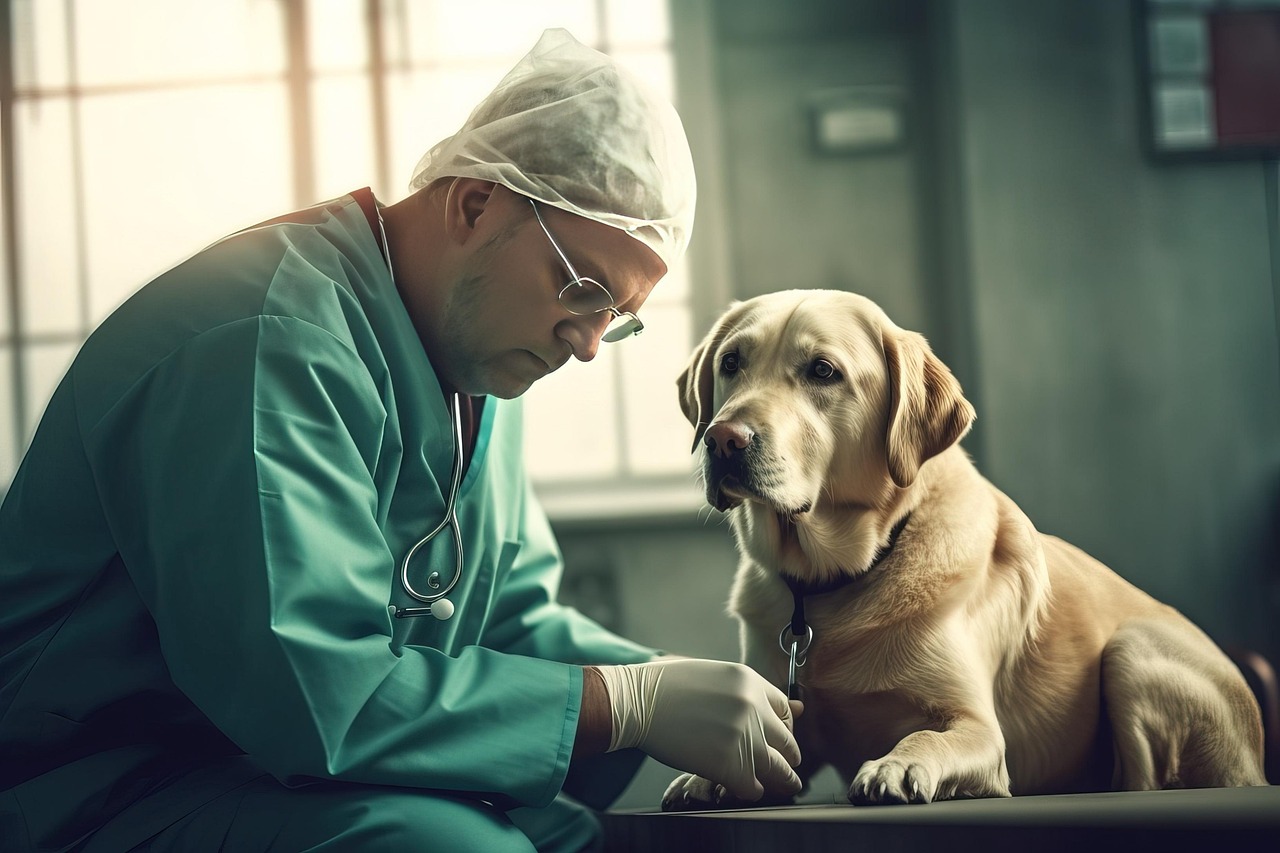

How to Recognize Allergic Reactions to Dog Vaccines
Allergic reactions to dog vaccinations can be serious and daunting for pet owners. It’s crucial to understand the signs and symptoms of such reactions to ensure your dog’s health and safety. Typically, reactions may arise shortly after vaccination, although they can also develop hours later. Common signs include swelling at the injection site, which may indicate a localized reaction. In more severe instances, dogs might exhibit hives or redness elsewhere on their body. Another critical signal is difficulty breathing, stemming from systemic allergic reactions, leading to anaphylactic shock if untreated. Digestive issues, such as vomiting or diarrhea, can further complicate a dog’s response to vaccines, highlighting the need to watch for this. Moreover, lethargy and unusual behavior changes are also red flags that shouldn’t be ignored. Early intervention can make a significant difference in the outcome if any signs occur. Always consult with your veterinarian if you spot these symptoms after vaccination. They can provide insights and reassurance, evaluate your pet, and discuss appropriate action plans to mitigate any potential risks posed by future vaccinations.
In addition to recognizing symptoms, there are several key factors that may increase the risk of allergic reactions in dogs. These may include the dog’s age, breed, and overall health. Young puppies and older dogs might have weaker immune systems, making them more susceptible to vaccine-related issues. Furthermore, certain breeds, particularly those with a history of allergies, may also be more predisposed to reactions. It’s essential to provide your vet with a complete health history before vaccinations, including any prior reactions to other vaccines or medications. This information helps them evaluate the risk and possibly recommend a tailored vaccination schedule. Additionally, consider discussing the choice of vaccine type, as some formulations are more likely to provoke an immune response than others. The vaccine’s manner of administration, whether intranasal or injectable, can also determine the likelihood of side effects. After vaccination, ensure your pet is monitored closely for at least 30 minutes, as this is when most severe reactions occur. Knowing these factors can better prepare you to safeguard your dog’s health during vaccination visits.
Common Vaccine Reactions
Once a dog receives vaccinations, it’s crucial to recognize potential common reactions that vary in severity. Mild reactions might include short-lived lethargy or slight fever, which will typically resolve on their own. Local reactions, such as swelling or tenderness at the injection site, often occur as the immune system responds to the vaccine. Such instances generally resolve without intervention within a day or two. More serious reactions could manifest as vomiting, diarrhea, or an allergic response characterized by hives. Additionally, in very rare cases, dogs may suffer severe anaphylaxis, leading to respiratory distress or collapse. In these situations, immediate veterinary care is critical. Familiarizing yourself with the timeline of potential reactions can be essential; monitoring your pet during the first few days post-vaccination allows early detection of adverse effects. Always maintain open lines of communication with your veterinarian regarding the vaccines used and any unique considerations concerning your dog’s health. Such proactive measures help ensure any serious issues are managed effectively, keeping your pet safe and healthy through their vaccination journey.
Understanding the implications of delayed allergic reactions to vaccinations is equally vital for any dog owner. While most reactions occur immediately after the shot, some can develop later, often within several days or even up to two weeks post-vaccination. Look for clinical signs of skin allergies, such as itching or redness, which can arise from various environmental allergies but could also signify a vaccine-related issue. Keeping track of your dog’s behavior and skin condition can be beneficial, especially if new symptoms arise after a vaccination appointment. If symptoms persist beyond a few days, or if the condition worsens, immediate consultation with your veterinarian is vital. In some cases, delayed allergic reactions can be mistaken for other health issues, making accurate diagnosis crucial. Note any patterns concerning vaccinations and your dog’s health to help your vet with diagnosis. Documenting these occurrences allows for a more informed approach if future vaccinations are necessary, leading to a safer vaccination experience for your dog while minimizing potential adverse effects.
Preventive Measures and Recommendations
Prevention remains paramount in managing potential allergic reactions after dog vaccinations. One of the most effective steps practice pet owners can take is to ensure thorough communication with their veterinarian before vaccinations occur. Discuss your dog’s history, including any prior vaccinations or medicinal allergies. Your veterinarian might opt for a customized vaccination schedule based on your dog’s individual risk factors, aiming to minimize the chances of adverse effects. Keeping your dog healthy through good nutrition and regular exercise also helps strengthen their immune system, thereby enhancing their response to vaccinations. If your dog is prone to allergies, a pre-vaccination consultation could allow for the consideration of antihistamines or other medications that may mitigate potential reactions. After administration, remain vigilant for signs of an allergic response and maintain regular follow-ups with your veterinarian to track your dog’s health post-vaccination. Keeping vaccination records current and accessible helps to inform all parties involved for any subsequent procedures or health assessments. Prioritizing preventive strategies during the vaccination process can lead to a more stable and healthy experience for your beloved pet.
Supportive care for our pets after vaccination is another critical component to consider in reducing risk or severity with allergic reactions. Providing a comfortable, calm environment allows your dog to relax and recover from the vaccination process. Offering high-quality treats and a familiar resting area helps reduce anxiety and promotes a smooth recovery. If any mild side effects arise, ensure adequate hydration and monitor for continued changes in behavior. Always have the contact information for your veterinarian or an emergency clinic readily available just in case of an unexpected allergic response. If your dog exhibits concerning symptoms, such as anything more than mild lethargy or localized swelling, don’t hesitate to reach out to a veterinarian. Having an emergency plan can make all the difference in the event of a severe reaction. Additionally, considering the use of a pet-specific first-aid kit can be beneficial. Containing items such as antihistamines, bandages, and vet-approved calming aids can prove useful during urgent situations. Such proactive measures can significantly enhance your pet’s safety while navigating vaccinations.
Conclusion
Overall, educating yourself about allergic reactions to dog vaccinations is essential in protecting your pet’s health. By recognizing the signs and implementing preventive care strategies, you empower yourself as a vigilant pet owner. Understanding your dog’s unique health history, breeds that may experience more significant risks, and how to manage possible side effects can ensure a safer vaccination experience. Regular discussions with your veterinarian will lead to better-informed decisions regarding immunization schedules and vaccine selections. Be proactive in monitoring your dog’s post-vaccination behavior and symptoms, documenting any unusual occurrences to aid your vet in addressing concerns. Your awareness and responsiveness can significantly affect your dog’s health, especially when it comes to managing allergies. In the long run, investing time and effort in understanding the nuances of dog vaccinations can facilitate a healthier, happier life for your beloved companion. Together with good veterinary practices and responsible pet ownership, we can make informed choices that safeguard our furry friends while ensuring they receive vital vaccinations to maintain their health.
In the vast world of pet care, maintaining awareness of dog vaccinations and potential allergic reactions remains a key priority. By committing to ongoing education and prioritizing your pet’s health, you pave the way for a fulfilling life rich in companionship. Vaccinations contribute significantly to safeguarding dogs against infectious diseases. Understanding their risks will help in making informed decisions that promote not only their well-being, but also the wellbeing of the community. The bond between you and your dog thrives in an environment where their health needs are understood and addressed promptly and accurately. So, let every vaccination serve as a steppingstone toward improved health and happiness for your furry friend. Keeping your dog’s health at the forefront ensures that your lifelong companion remains happy and playful throughout their days, while the lessons learned from managing reactions inspire proactive pet care practices.