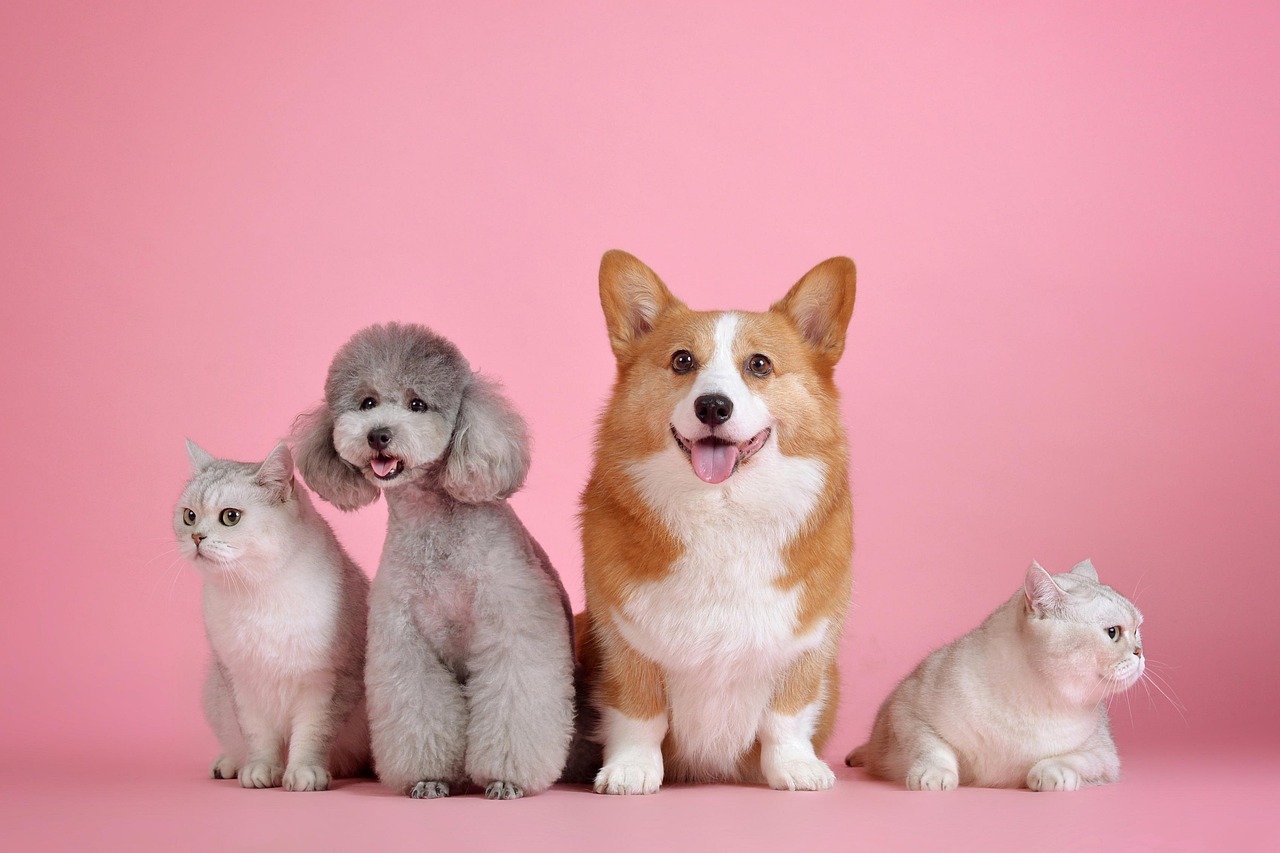

The Impact of Breed Characteristics on Cat and Dog Interactions
Understanding the characteristics of different cat and dog breeds is essential for successful socialization between these two animals. Both species possess unique traits defined by their respective breeds, influencing their behavior, temperament, and ability to adjust to living with one another. For instance, while some dog breeds are known for their friendliness and adaptability, others might display aggression or strong prey drive, affecting how they interact with cats. Similarly, certain cat breeds are more tolerant of dogs, while others may exhibit fear or defensive behavior. Early socialization is crucial for both cats and dogs, helping them accept and feel comfortable around each other. Therefore, owners must consider their pet’s breed traits during introductions, ensuring their socialization process is as smooth and positive as possible. It’s beneficial to create a safe space where both animals can explore and interact freely without the pressure of forced encounters. Observing their body language and adjusting each interaction accordingly can lead to improved relationships between pets, ensuring a harmonious household in the long run, which is a goal for many owners.
Preventing conflicts requires an understanding of both cats and dogs’ communication styles. For example, dogs often display excitement through playful barks and wagging tails, whereas cats might interpret this behavior as a threat. Thus, recognizing these differences is vital to fostering a peaceful cohabitation. When introducing a cat into a home with a dog, it can be helpful to allow them to familiarize themselves with each other’s scents before any face-to-face interactions. This method provides a non-threatening way for both animals to adjust gradually. Owners can even use toys or treats to reinforce positive behaviors during these introductions. Patience is key; rushing the process may lead to anxiety or aggression. Additionally, socialization is not a one-time event, as ongoing interactions will help solidify the relationship over time. By continually reinforcing good behavior and providing supervision, pet owners can effectively combine these two species within their homes, contributing to enriched lives for both the cat and the dog. Prioritizing their unique characteristics and communication ensures that they understand each other better, paving the way for peaceful coexistence.
Importance of Breed Compatibility
When thinking about socialization between cats and dogs, breed compatibility plays a significant role. Some cat breeds, known for their outgoing nature, integrate more easily into households with dogs. Breeds like Ragdolls or Maine Coons often exhibit calm, friendly dispositions that facilitate smoother introductions. On the other hand, breeds such as Siamese might show a higher tendency towards territorial behavior, complicating interactions. Likewise, various dog breeds provide their unique personalities; for example, Golden Retrievers are generally good with other pets, while terrier breeds may have heightened prey drives. Recognizing which cat and dog breeds can cooperate improves the chances of a successful integration. Owners should conduct thorough research on the breed characteristics of both species before adding a new pet to their home. Understanding these dynamics can steer you towards better decisions, ensuring that both animals can coexist without stressful confrontations. Successful breeds to consider for mixed households can include various combinations, but careful planning and considerations towards their compatibility create the foundation for a peaceful environment.
In addition to individual breed traits, socialization techniques can also affect the interactions between cats and dogs. Gradual introductions, use of barriers, and controlled environments can ease initial nervousness. It may help to use leashes for dogs and secure spaces for cats to explore safely, getting acquainted through visual observation before close encounters occur. Consistently rewarding calm behavior encourages positive associations, facilitating trust between the two animals. Training sessions focused on commands can further alleviate anxiety, especially in dogs, instilling discipline and control in potentially overwhelming situations. Familiarity with one another’s actions will lead both animals to a greater understanding and acceptance, significantly improving their quality of life together. Creating a routine that allows both pets to feel secure and confident will determine the overall success of their relationship. Ongoing supervision and encouragement during interactions will build a bond that might blossom into affection over time. It’s crucial for pet owners to remain calm and composed, acting as role models during these early encounters to set the right tone for future interactions.
Body Language and Communication
Recognizing and understanding cat and dog body language is essential for ensuring their interactions are positive. Dogs often display their mood through wagging tails, playful barks, or relaxed postures, while cats rely on more subtle cues such as tail position and ear orientation. For instance, if a dog approaches a cat with an upright, stiff tail, this can indicate excitement or aggression to the cat. Recognizing such signals enables owners to intervene before any negative encounters arise. Similarly, cats can demonstrate fear through hissing or an arched back, making it clear they feel threatened. Teaching pets to respect each other’s space can begin with observing their non-verbal cues. When dogs venture too close without realizing the cat’s discomfort, conflicts may occur. Positive reinforcement can further cultivate understanding and encourage both pets to adopt healthier behaviors around each other. By remaining vigilant, you can identify moments where it might be necessary to deescalate tension or either encourage calmness during interactions. Taking note of these communication styles will certainly help develop a constructive environment.
Successful socialization requires dedicated time spent observing and interacting with both pets. Establishing boundaries, ensuring safe havens for each animal, can contribute to less stressful encounters. For dog owners, it’s crucial to educate them on how to behave around cats to prevent unintentional confrontations. Offering toys or treats during these interactions creates positive experiences, nurturing a sense of companionship over time. Each pet’s environment should remain comfortable and familiar, allowing them to adjust at their own pace. Owners might find utilizing separate spaces within the home beneficial for cats and dogs initially, giving them the opportunity to decide when to venture into each other’s territory. This approach reassures both animals, ultimately building confidence around one another. An amiable environment minimizes stress and encourages gentler interactions over time. Creating a peaceful coexistence may also be reflected in mixed household dynamics, where each pet respects the other’s presence. As their relationship grows, observing moments of affection can indicate comfort levels and friendship, enriching the household bonds.
Conducive Environments for Socialization
Creating an environment conducive to peaceful interactions between cats and dogs is essential for positive relationships. Introducing elements like vertical spaces for cats to escape when feeling threatened can significantly improve their sense of safety. Cat trees offer high vantage points that help reduce anxiety during introductions. Dogs, being more social animals, often thrive when they can engage throughout the home. Homeowners should consider pathways allowing both pets to navigate comfortably within shared spaces. Safety measures like gates or doors effectively manage interactions, creating peace of mind for owners. Removing objects that may trigger aggression or territorial behavior can enhance the environment. Positive reinforcement strategies should also be widely utilized, rewarding both cats and dogs for calm behavior when in proximity. For example, giving treats to either animal when they share a space reinforces their developing bond. Continued encouragement of these interactions fosters trust that can translate into friendship. Finally, ensuring each animal has its dedicated area within the home alleviates potential stress and further cultivates a harmonious atmosphere.
In conclusion, understanding the breed characteristics of both cats and dogs and applying appropriate socialization techniques are pivotal in ensuring they coexist peacefully. Considering individual behaviors, personalities, and effective communication styles can dramatically influence interaction outcomes. Observing body language and being responsive to each pet’s needs will enhance the chances of forming lasting friendships between pets. Successful mixings depend on gradual introductions while continuously supporting positive encounters through rewarding behaviors. Owners must educate themselves about the traits of each breed to create harmonious environments that foster long-lasting relationships. Remaining patient throughout the integration process permits both animals to adapt gradually, enhancing their quality of life. Finally, recognizing and adjusting to your pets’ personalities will yield the best results for cohabitation. As every household is unique, adopting varied strategies based on individual circumstances can promote successful integration. Ultimately, patience, understanding, and following proven socialization methods will ensure that your cat and dog can enjoy a friendly and fulfilling life together, bringing joy to everyone in the household.