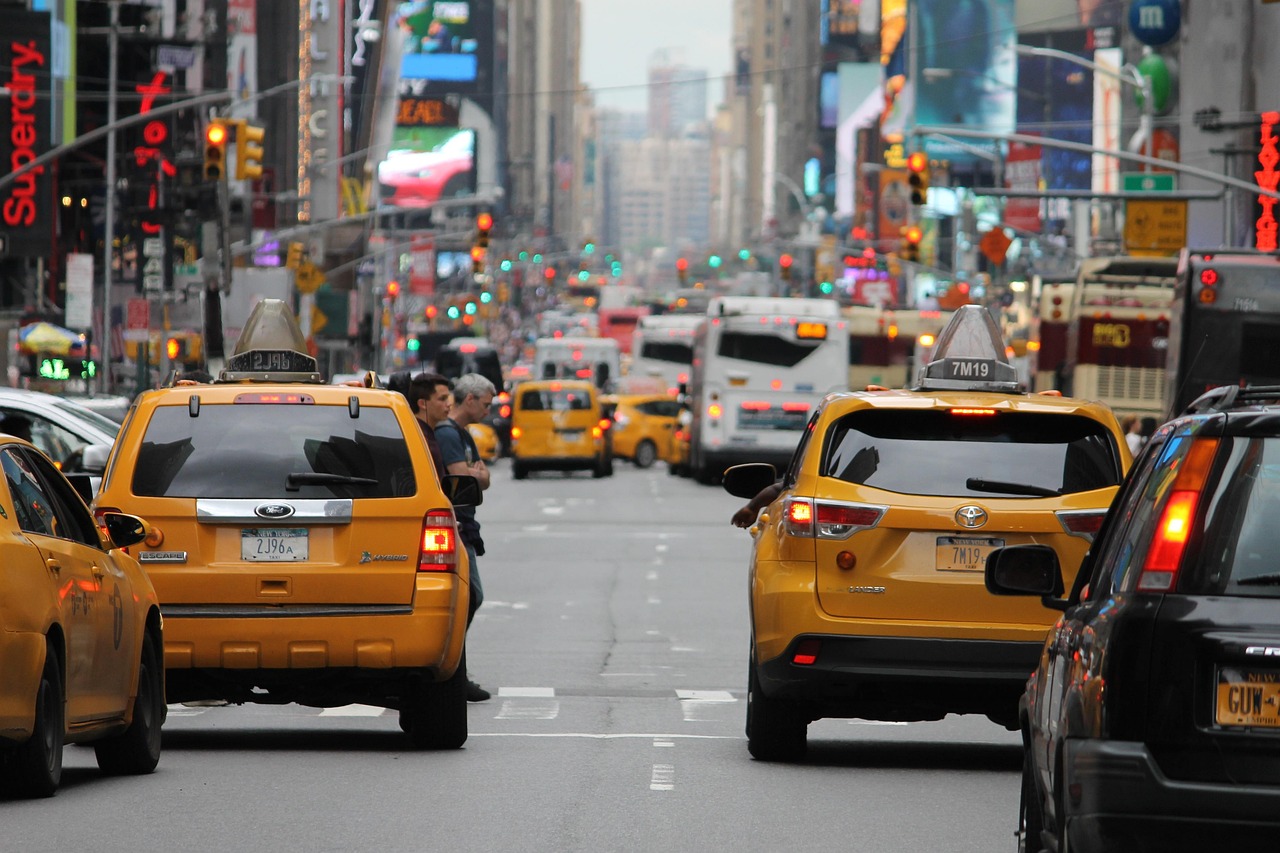

Training Your Dog in Crowded Places: Challenges and Solutions
Training your dog in crowded spaces can be both exciting and challenging. It exposes your pet to various stimuli, which can sometimes lead to distractions. To overcome these challenges, it is crucial to use effective training techniques. Begin by introducing your dog to a controlled crowd, like a park on a lesser-used day. Gradually increase the number of people around your dog while providing positive reinforcement for good behavior. Positive associations with crowds can help alleviate anxiety in future situations. Consistency is key here; make sure you practice regularly. If your dog struggles with distractions, it may be helpful to train with high-value treats, so your dog learns to focus on you amidst the chaos. Patience is vital in this process, as every dog learns at its own pace. Avoid overwhelming your dog with too much too soon, as this might backfire, causing more stress. With time, your dog will become more confident and obedient in these challenging environments. Remember that each successful outing adds to your dog’s skills and ability to handle bustling locations with ease. Stay positive to create a good learning atmosphere.
Always be prepared with a plan when heading into crowded areas with your dog. Initially, you should assess the environment and note potential distractions. This includes other dogs, loud noises, and sudden movements by people. Make a list of these elements to use in your training process. Start training in quieter environments before gradually introducing your dog to crowded settings. Implement basic commands like sit, stay, and watch me to maintain your dog’s focus. When distractions arise, remind them of these commands consistently. Avoid using harsh corrections; instead, redirect their attention using treats or toys. Be patient as your dog learns how to navigate these bustling spaces. If necessary, take breaks to allow your dog to relax away from distractions. Set achievable goals during each outing, increasing the level of challenge as your dog improves. Regularly practicing in different crowded locations keeps your dog adequately prepared for unexpected situations. Remember, success in crowded environments ensures your dog remains confident and well-mannered. Reward good behavior frequently, reinforcing that calmness in chaos earns them positive experiences every time. With persistent training routines, you will enjoy stress-free outings with your furry companion.
Building Confidence with Socialization
Socializing your dog is crucial when training in crowded areas. Expose your dog to people, sounds, and other animals gradually. Start this socialization during early puppyhood, but older dogs can also learn. The more your dog encounters different scenarios, the more confidence they gain. Use controlled settings where they can safely interact with various stimuli. Enlist the help of friendly volunteers for positive exposure. While engaging your dog during these activities, prioritize their well-being. Ensure your dog does not feel overwhelmed or frightened during socialization sessions. If your dog shows signs of stress, take a step back. Encourage calmness through rewards and praise, reinforcing positive experiences. Consider scheduling playdates with other sociable dogs to help your dog learn appropriate behaviors. Attending training classes is another great way to promote socialization effectively. Make sure to choose a class that focuses on engagement in distracting environments. Socialization should be an ongoing effort, and each new experience enhances your dog’s ability to cope in crowded spaces. Continuously working on this area can lead to lasting behavioral improvements over time, enriching the lives of both you and your dog.
Utilizing tools such as clickers, head halters, and no-pull harnesses can improve training outcomes in crowded places. Consider investing in high-quality training aids that suit your dog’s specific needs. Clicker training reinforces desired behaviors and makesthe process engaging for your pet. This technique helps your dog associate the sound with a reward, enhancing their motivation to follow commands. A head halter allows for better control and steering during walks in bustling environments. It can effectively manage pulling, ensuring your dog’s attention remains focused on you. No-pull harnesses provide comfort while still allowing you to communicate clear messages. Remember to introduce these tools gradually to ensure your dog accepts them without stress. Take the time to practice using these tools in familiar settings before venturing into crowded locations. It’s essential for your dog to feel comfortable with their equipment. Alongside these aids, consistently reward your dog’s good behavior. Frequent praise can strengthen your bond, making training sessions enjoyable for both of you. With the right tools and techniques, you can navigate bustling environments confidently and ensure your furry friend remains well-behaved amidst distractions.
Establishing a Routine for Consistency
Creating a consistent routine is vital for training your dog effectively in crowded areas. Establishing regular training sessions prepares your pet for varying environments. Aim for short, frequent practice sessions that maintain your dog’s focus and engagement. Consistency diminishes anxiety by allowing your dog to predict what comes next. Always provide clear cues and be consistent with your commands. A routine helps your dog understand when it’s time to work and when it’s playtime. Pair training with enjoyable experiences, and gradually introduce distractions to encourage adaptability. Have a designated space for training at home, where your dog feels comfortable and relaxed. This familiarity can improve their confidence as they start to venture out into bustling environments. Make sure to include a variety of locations within the routine, as exploring different crowded spaces builds your dog’s experience. Varying the location ensures your dog is well-rounded and prepared for unexpected encounters. Regular trips to busy parks or pet-friendly events can reinforce skills learned during private sessions. Keep track of your progress to identify what works best, allowing you to adjust your routine efficiently to maintain improvement.
Patience is critical when training in crowded settings, as every dog has unique learning speeds. Expect setbacks as part of the process, and don’t lose heart. Focus on gradual improvement, celebrating small victories along the way. Offer encouragement throughout each training session, as enthusiasm fosters a positive atmosphere that enhances learning. If your dog becomes distracted or stressed, take a break. Use these moments to regroup and reinforce training essentials. Celebrate every step forward, from maintaining focus to successfully navigating distractions. Sharing experiences with others through social media groups can provide additional support and insights. Connecting with fellow dog owners and trainers can encourage exchanging valuable tips for handling crowded spaces. Consider forming a community of like-minded individuals who share the same goals. Having a support system alleviates stress related to training in bustling environments. Gathering feedback and suggestions can inspire new ideas or techniques to try in your training sessions. Understanding that this journey can be gradual helps maintain a positive mindset. Your commitment ensures that training remains an enjoyable and productive experience for both you and your dog.
Conclusion and Future Training Goals
Training your dog in crowded areas might initially seem daunting, but embracing effective techniques can foster confidence. With patience, consistency, and dedication, good behavior can be achieved in even the busiest settings. As your dog becomes more accustomed to crowded environments, seek opportunities to reinforce and build on these skills. Gradually increase exposure to different situations that challenge your dog’s focus and attentiveness. Each outing counts, gently reminding your furry companion of the commands they’ve mastered. Set realistic goals for continued improvement over time, ensuring every training session furthers their development. Incorporate fun activities like agility courses or training games in future sessions. Experimenting with varied training methods will keep your sessions engaging and impactful. Regularly assess progress and remain flexible in adapting to your dog’s unique learning style. As your dog becomes more confident in various environments, consider enriching their experiences with further socialization. This could include introducing additional distractions or engaging in new social interactions. The journey of training should continue, evolving with your dog’s abilities and changing environments, ensuring lasting success during outings together.