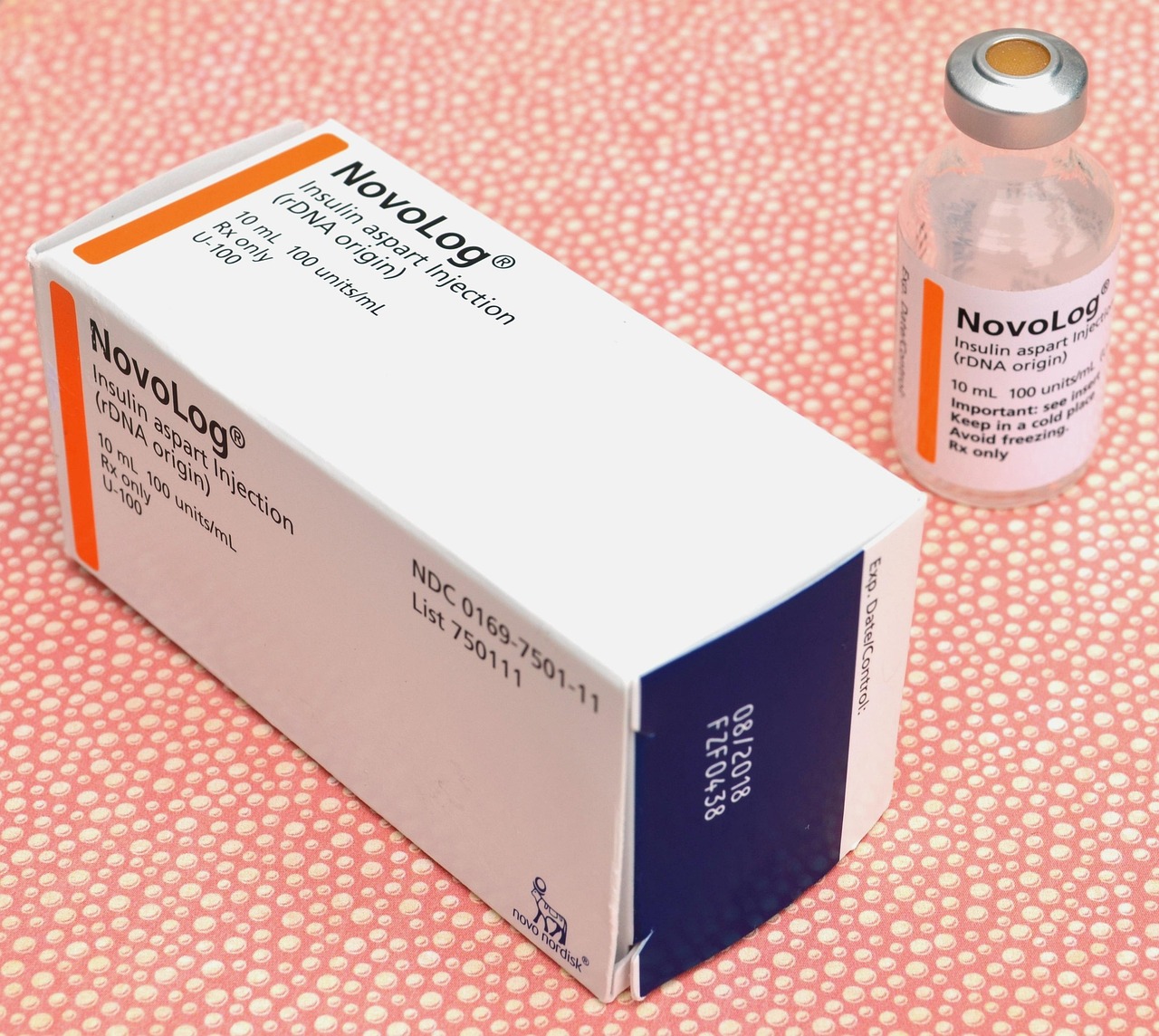

Understanding Insulin and Diet Interactions in Cats
Understanding the relationship between insulin and diet is crucial for managing diabetes in cats. Diabetes mellitus in felines manifests when the body cannot use insulin effectively or produces insufficient amounts. The diet directly impacts blood glucose levels, showing how crucial it is to formulate food plans specifically tailored for diabetic cats. Each meal should be well-balanced and formulated to avoid spikes in blood sugar. Selecting food that is higher in protein and lower in carbohydrates is essential. High-protein diets help maintain muscle mass, while low carbohydrates reduce excess glucose, promoting better glucose control. While the primary concern is managing diabetes, it’s also important to consider the cat’s overall health. Regular, vet-approved check-ups and consultations are paramount to keep your furry friend healthy and happy. Additionally, monitoring weight is beneficial since obesity can exacerbate diabetes complications. This informative understanding can lead to informed decisions about your pet’s nutrition and health, ensuring they have optimal care. Knowledge about nutrition significantly empowers cat owners in steering their pets toward healthier lives, ultimately contributing to improved well-being alongside insulin therapy.
To effectively manage diabetes in cats, one must recognize the role of fiber in feline diets. Fiber contributes to the regulation of blood sugar levels by slowing digestion and glucose absorption. When formulating a diet for diabetic felines, including soluble fibers such as beet pulp and psyllium can enhance glycemic control. These fibers help create a feeling of fullness, making it easier for diabetic cats to maintain a healthy weight. Moreover, a good balance of insoluble fibers can aid in healthy bowel movements. It’s essential to consult with a veterinarian to choose the right blend of fiber in relation to the entire meal plan. Switching to higher quality, low-glycemic foods can limit insulin spikes post-meal, keeping glucose levels stable. It’s worth noting that some commercial cat foods are specifically designed for diabetic cats, containing the right proportions of protein, fat, and fiber. Always read the labels carefully and understand the ingredients before purchasing. This approach ensures that the chosen diet aligns with your pet’s unique medical needs and preferences while fostering a customized management plan for their condition.
The Importance of Monitoring Blood Glucose
Monitoring blood glucose levels regularly is an integral part of managing diabetes in cats. Tracking these levels helps determine how well the insulin and dietary changes are performing. It’s essential to work closely with your veterinarian to establish an appropriate schedule for monitoring blood sugar. Regular checks can help in adjusting insulin doses or dietary modifications as necessary. Recognizing patterns in blood glucose can provide insights into your cat’s responsiveness to different foods and ensure that they are effectively absorbing nutrients. A constant, stable glucose level generally signifies that the current management plan is working well, while erratic levels call for evaluation. Keeping a journal to record these readings can offer a clearer picture for both you and your vet. Additionally, being aware of symptoms, like excessive thirst or lethargy, can alert owners to potential problems. Elevated blood sugar levels can have serious health consequences, making vigilant monitoring crucial for achieving long-term successful management of feline diabetes. In doing so, cat owners can proactively ensure their pets remain comfortable and healthy through effective intervention.
Dietary supplements may also play a role in optimizing nutrition for cats with diabetes. Certain supplements can help regulate blood sugar levels and improve overall health. Omega-3 fatty acids, for instance, can support cardiovascular health and reduce inflammation. Antioxidants can also aid in combating oxidative stress, which diabetics are prone to experience. Therefore, including these nutritional supplements can add benefits to your cat’s overall diet. Always consult with your veterinarian before introducing any supplements to avoid potential interactions with insulin or other medications. Together with a well-planned diet, the right supplements can help maintain healthy blood sugar levels and enhance the cat’s overall well-being. It is worth noting that while supplements can aid in dietary support, they should not replace an appropriate diet tailored to diabetic needs. Every cat is different, and their nutritional needs can vary, so identifying the suitable supplements requires professional guidance. Lastly, remember that good nutrition is an ongoing journey, requiring regular assessment and adjustments based on your feline’s health and changes in their condition.
Common Considerations in Cat Nutrition
Several considerations arise when developing dietary plans for cats with diabetes, particularly with the various food types available. It is essential to stay away from foods high in sugars and certain carbohydrates, as these can cause spikes in blood sugar. Additionally, human food and table scraps can introduce unintended sugars or fats that complicate blood glucose management. Always opt for high-quality commercial brands that provide essential nutrients without excessive fillers or ingredients detrimental to diabetic cats. Furthermore, food texture can influence appetite; some diabetic cats prefer wet food over dry to help manage their intakes. However, the total caloric intake must be appropriate for their weight. Consulting with your veterinarian can help in selecting the right mix of wet and dry food. Educate yourself about understanding ingredient labels and what they mean to make informed decisions. Your vet can guide the best commercial diets available, including veterinary-prescribed options that cater specifically to diabetic felines. Being proactive about your cat’s nutrition can lead to better management of diabetes.
Feeding schedules represent another critical factor in managing diabetes in cats. Regular, consistent feeding times help maintain steady blood sugar levels, preventing drastic fluctuations. Most veterinarians recommend feeding diabetic cats small, frequent meals throughout the day rather than larger meals. This pattern helps manage hunger and relies on insulin levels effectively. Implementing a feeding schedule limits the chances of accidental overfeeding or underfeeding. Additionally, coordinating feeding times with insulin administration can enhance dietary efficacy. For example, feeding your cat just before administering insulin can maximize glucose control. It also can reduce the risk of hypoglycemia, as food intake can absorb some of the insulin. Owners should consider a slow transition period when changing diets to allow their cats to adjust gradually. Always monitor how they respond to different meal times and quantities and discuss these observations with your vet. Keeping a consistent regimen is an essential element of ongoing diabetes management that can lead to long-lasting impacts on their overall health, ensuring they’ve got proper oversight.
Final Thoughts on Cat Nutritional Management
In conclusion, managing diabetes in cats requires a comprehensive approach to nutrition that considers insulin interactions, dietary choices, and monitoring. The significance of a balanced diet tailored to diabetic needs cannot be overstated. Such measures aim to stabilize blood glucose levels while promoting overall health. Involving veterinarians in planning a meal strategy ensures optimal choices aligned with individual health goals. Consider exploring different diet options, whether it be high-protein, low-carb, or special diabetic formulations. Regular monitoring of blood glucose levels will help identify effective diet and insulin management. Always remain open to adjustments, as what works may vary over time. Proteins, fibers, and essential fatty acids should lead dietary focus, while avoiding sugars and excessive carbs. Additionally, being steadfast about feeding schedules contributes positively to maintaining stabilities. Strong owner involvement plays a critical role in achieving success for diabetic cats. Finding resources, such as veterinarian-supported articles and consultation services, is essential. With appropriate dedication, education, and veterinary support, living with a diabetic cat can be effectively managed, leading to a healthier and happier feline life.
As you navigate your cat’s dietary needs, remember that each feline is unique with their personal preferences and requirements. Consistent education about feline diabetes and nutrition offers the assurance needed for sound decision-making. Engage with communities of fellow cat owners who understand the daily challenges and rewards that come with managing diabetes. Sharing thoughts, experiences, and findings can foster confidence and create valuable support systems. Both online forums and in-person groups offer safe spaces for learning and exchanging personalized insights. Equally important is staying up-to-date with the latest studies and advancements in feline nutrition, particularly regarding diabetes. Continuous learning can introduce new strategies and products that benefit your feline friend’s health. Consult with species-specific nutritionists for tailored dietary advice that aligns closely with your cat’s medical needs. This ensures that they receive the most relevant information based on their health challenges. Keep your veterinarian informed of any changes in your cat’s health and behavior, enabling them to provide you with the best care possible. Ultimately, enhancing the life of a diabetic cat requires patience, vigilance, and a proactive approach to nutrition.