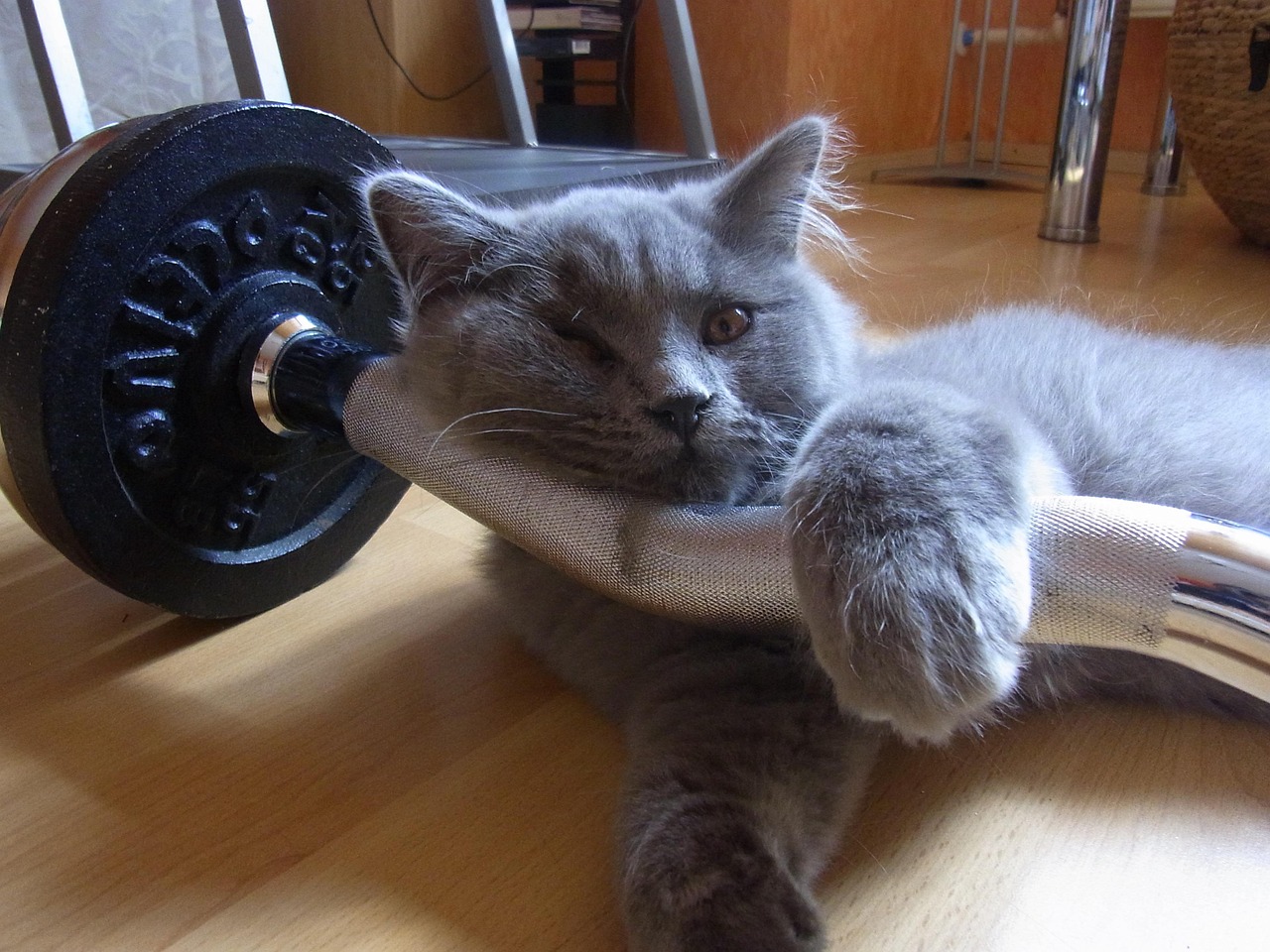

Understanding Your Cat’s Learning Style for Effective Command Training
Training your cat to recognize commands can be a rewarding experience for both you and your feline friend. Understanding how cats learn is crucial because it can significantly enhance the effectiveness of your training sessions. Cats are distinct from dogs in their learning styles, often relying on observation and innate behaviors rather than sheer obedience. Therefore, adapting your training techniques to suit your cat’s unique learning style can yield better results. Consider starting with simple commands, utilizing treats or toys as motivation. Use a warm and inviting tone during training sessions to create a positive environment where your cat feels safe and willing to learn. Keeping training sessions short and fun will prevent your cat from losing interest. Repeat commands consistently and practice them in various settings to reinforce understanding. Remember, patience is vital when training your cat as it learns at its own pace. Adjust your expectations accordingly and celebrate small victories. Develop a deep bond built on trust during your training endeavors, making it a fulfilling journey for both of you. Effective command training can lead to improved communication and companionship with your pet.
Recognizing Feline Learning Patterns
Cats possess unique learning patterns that differentiate them from other pets. They are naturally skilled observers, often learning through watching their surroundings rather than direct instruction. Among the most effective ways to train a cat is by utilizing positive reinforcement. This involves rewarding your cat with treats or praise when it responds correctly to a command. Furthermore, understanding your cat’s distinct personality can aid in tailoring the training process to meet their needs. Some cats may respond better to quieter environments, while others might thrive in more stimulating surroundings. Pay attention to your cat’s body language; this can provide insights into their feelings about the training. A relaxed cat, with ears forward and tail held high, is more likely to be receptive to learning. In contrast, a cat showing signs of stress or discomfort may require a different approach. Customizing your training sessions can make all the difference in successfully teaching your cat to recognize commands. Document progress and adapt strategies if necessary, ensuring effective communication with your cat.
Creating a structured routine for training sessions can significantly enhance your cat’s ability to learn commands. Consistency is key when it comes to training feline friends. Attempt to train at the same time each day to establish a rhythm that your cat can anticipate. During these sessions, employ calming phrases or gestures alongside the commands to help reinforce their meaning. For example, always say “sit” in a soft tone and pair it with hand signals, so your cat begins to associate the two. Additionally, limiting distractions during training can improve focus, leading to better retention of commands. Too many sounds or moving objects can hinder your cat’s ability to learn effectively. Ensure that your training space is quiet and comfortable, creating a dedicated area where they feel safe. Another tactic involves mixing short periods of play into the training to keep your cat engaged. Play can serve as a reward for successful command recognition while maintaining the cat’s enthusiasm. Keeping sessions brief, rich in rewards, and including interactive elements can enhance your cat’s learning experience significantly.
Utilizing Environmental Stimuli in Training
Incorporating environmental stimuli into training sessions can enhance your cat’s engagement and interest. Cats are curious animals, and introducing new elements into their training can make the process more stimulating. For instance, consider using toys or even puzzle feeders that require your cat to think critically to obtain treats. This method not only makes training fun but also encourages mental stimulation. Additionally, transitioning training to different environments can promote adaptability in recognizing commands. Training in various rooms or while engaging outside can solidify understanding. Watching how your cat reacts in new settings can give you insight into their learning process. Use their natural hunting instincts to your advantage by hiding treats in different areas, encouraging them to seek reward while also practicing commands. Combine this exploration with verbal cues to create an interactive experience. You may find your cat learns commands faster when they feel the combined excitement of the hunt and the joy of rewards. Always remember to monitor your cat’s mood and energy during this integrated training approach.
In addition to environmental stimuli, utilizing a clicker can be an effective training technique for reinforcing command recognition. A clicker emits a distinct sound that your cat can learn to associate with desirable behavior. Begin by clicking the device whenever your cat demonstrates a behavior you wish to reinforce, immediately followed by a treat. This method clarifies to your cat exactly which action earns them a reward. Moreover, clicks should happen instantaneously to effectively link the sound to the command. This training method is especially favorable for cats because it promotes understanding without overwhelming them with verbal cues alone. Regular practice with a clicker can lead to impressive improvements in your cat’s ability to recognize and respond to commands. Remember to keep training sessions light-hearted, and celebrate accomplishments, even if small. Building confidence during training is essential in creating a willing participant. Ultimately, consistent use of the clicker will strengthen your bond, leading to a deeper understanding between you and your cat. Enjoy this journey of learning and playful interaction with your feline companion.
Addressing Challenges in Command Training
It’s vital to remain patient when facing challenges during the training process. Cats are inherently independent creatures, and they may not respond as quickly as expected. If your cat appears disinterested or struggles with specific commands, reassess your approach. Consider whether the training commands were introduced too quickly or if your cat is feeling overwhelmed. Sometimes, taking a break and returning to simpler tasks can reignite their interest. Trying different approaches, such as breaking down commands into smaller steps, may also help facilitate learning. Look for specific signals that indicate your cat is confused; watching closely can give insight into their mindset. Celebrate any signs of progress to encourage behavior. If challenges persist, finding a local training class or engaging a professional can provide guidance tailored to your cat’s unique learning style and needs. Remember to keep training sessions enjoyable, filled with rewards and affection. Your cat should view training positively, as a time for bonding and interaction. Documenting progress can also improve your training strategy while ensuring you stay connected to your cat’s training journey.
Finally, concluding command training requires reinforcing learned behaviors over time. Cats can sometimes forget commands if not practiced consistently. After successfully training your cat to recognize commands, integrate them into daily routines to reinforce these skills. For instance, using commands during feeding times or play can reinforce the bond and build responsiveness. Consistency is critical; regularly use the learned commands can solidify recognition. Be sure to maintain the positive reinforcement strategy, offering rewards to emphasize desired behaviors. Patience remains essential, allowing your cat to learn and adapt naturally. Documenting progress along the way can assist in identifying areas needing improvement. Adjusting training techniques to reflect this can ensure your cat continues to develop. Engage in regular play sessions that include command recognition to keep training fresh and exciting. Communicate frequently with your cat, observing and responding to their cues. Ultimately, celebrating small victories and maintaining enthusiasm will yield a joyful bonding experience. Cultivating a lasting connection with your cat through command training can enhance your relationship and foster greater understanding between you and your furry companion.