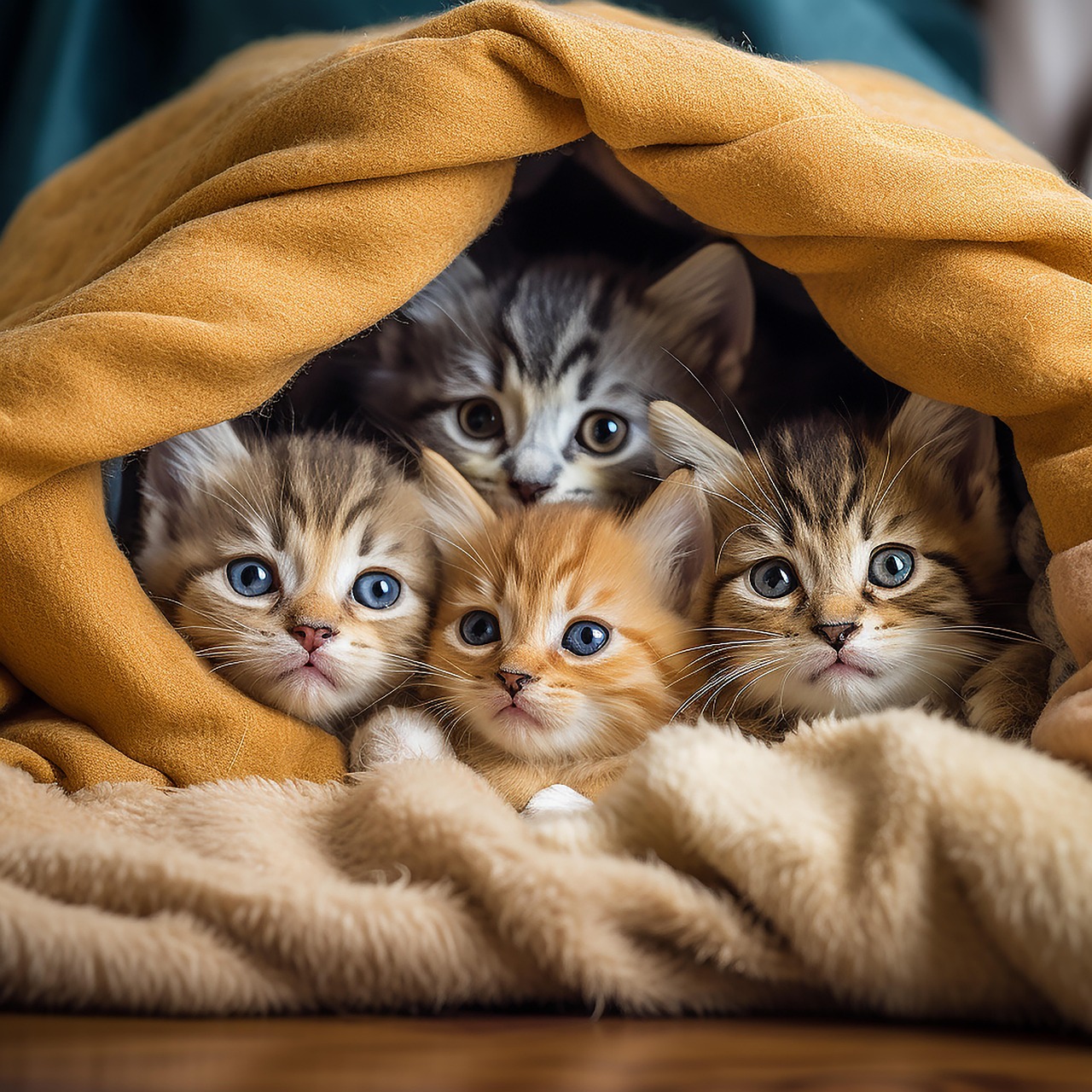

How to Use Positive Reinforcement in Kitten Socialization
Socializing kittens is vital to their overall well-being, helping them develop healthy behaviors. One of the most effective ways to achieve this is through positive reinforcement, a method based on rewarding desirable behaviors. This approach encourages kittens to repeat actions that result in positive outcomes, building trust and confidence. Start by identifying the behaviors you want to encourage, such as approaching new people, exploring different environments, or playing gently. For instance, if your kitten shows curiosity around new toys, reward them with treats or affection immediately. Positive reinforcement can also help reduce fear in unfamiliar situations. The key is to provide rewards consistently and to pair them with verbal praise and gentle touch. Over time, kittens will learn to associate new experiences with comfort and rewards. Furthermore, remember that patience is essential in this process, as each kitten’s pace of socialization varies. Observe their reactions, craft a plan to introduce them to new situations, and always keep the interactions fun and interesting for both you and your kitten.
Another significant aspect of using positive reinforcement is the timing of your rewards. Immediate reinforcement after a desired behavior is critical for kittens to understand what they are being rewarded for. If you delay the reward, your kitten may not connect the treat or praise with the behavior. Utilizing clicker training can be particularly advantageous, as the sound signifies to the kitten that they’ve done something right. This method helps establish a clear communication channel. Start with simple actions, and gradually progress to more complex behaviors. For example, once your kitten successfully interacts positively with a visitor, reward them in a timely manner. This process not only builds the kitten’s confidence but also fosters a positive association with social interactions. Additionally, vary the types of rewards you use to maintain your kitten’s interest. Use treats, toys, or even playtime as incentives for good behavior. Ensuring the reward is something the kitten truly enjoys is crucial. Always observe your kitten’s preferences, and use that knowledge to tailor rewards that will encourage the social behaviors you wish them to adopt.
The Role of Consistency in Training
Consistency is another critical element when implementing positive reinforcement strategies while socializing your kitten. Establishing a regular routine helps your kitten anticipate interactions, reducing anxiety and encouraging exploration. It’s essential to have everyone in the household participate in the training process using the same commands and methods. For example, if one person uses a specific command for playing, all family members should use that same command consistently. This way, your kitten won’t get confused. Moreover, maintaining consistency in rewarding positive behaviors is equally important. If you reward a kitten for sitting calmly during new experiences one day but don’t do it the next time, they may become unsure about what is expected. Inconsistency can lead to frustration for both you and your kitten. Make note of the behaviors that are rewarded and be diligent in reinforcing them with positive outcomes consistently. This gradual reinforcement will help solidify the positive behaviors you want to encourage. As your kitten begins to thrive in social situations, you’ll notice a newfound confidence developing, making interaction a more enjoyable experience for both of you.
Environment plays a vital role in kitten socialization, and creating a positive atmosphere is necessary when using reinforcement strategies. Kittens are highly sensitive to their surroundings, so ensure they feel secure and comfortable during training sessions. Designate a specific, quiet area where they can feel safe while learning. Use this space for introductions to new people or experiences, and make it engaging and fun for your kitten. Introducing varied stimuli slowly can help them adapt without feeling overwhelmed. It can be beneficial to have some familiar toys or bedding in the environment to provide comfort. Additionally, try to incorporate socialization experiences that last only short periods in their initial training, gradually increasing the duration as your kitten becomes more accustomed to interacting. Many kittens respond positively to praise and petting, so don’t forget to include physical affection as a reward. Ensure the training sessions are brief and engaging to keep their attention focused. Stay observant of your kitten’s reactions and adjust your approach as necessary. This flexibility will help maintain a positive environment that is conducive to effective socialization through positive reinforcement.
Understanding Your Kitten’s Unique Personality
Every kitten has its own temperament and personality, impacting how they respond to socialization and reinforcement techniques. Understanding your kitten’s unique behaviors is essential for developing effective strategies. Some kittens may be naturally more outgoing while others are shy or timid. Pay attention to your kitten’s body language, such as ear position or tail movements, to gauge their comfort level during different social situations. Most importantly, do not rush them. Allowing your kitten to explore their environment at their own pace will reduce anxiety and increase their confidence. Recognize when your kitten is overly stressed and give them time to decompress. Gradually introduce new experiences, using positive reinforcement to encourage bravery. For instance, if they shy away from a visitor, allow them to approach at their own speed while offering treats and praise when they make small steps forward. By fostering a trusting relationship through understanding, patience, and positive reinforcement, you create an ideal atmosphere that nurtures healthy socialization. Encourage each little success and celebrate their progress together, as this bond will assist in your kitten’s emotional development for years to come.
As your kitten grows and becomes more socially adept, it’s essential to keep challenging them while applying positive reinforcement techniques effectively. Since cats are highly intelligent, you should regularly enhance their learning by exposing them to new situations, stimuli, and people. For example, try introducing your kitten to various controlled environments, such as different rooms in your house or even the yard outdoors. Always monitor the interactions to ensure your kittens are comfortable and at ease. Keep reinforcing positive behavior as they adapt to new settings, and do not forget to consistently reward them when they demonstrate curiosity or playfulness. Engaging them in playtime with various toys can further stimulate their mental and physical capacity. By providing variety and new experiences, you keep their engagement high, which is significant during the critical early socialization period. Additionally, fostering connections with other friendly cats can enhance their social skills. Monitor interactions carefully and reward calm interactions between kittens. Positive associations made during these encounters will significantly contribute to your kitten’s ongoing social development and emotional growth, ensuring their health and happiness into adulthood.
The Long-Term Benefits of Socialization
Utilizing positive reinforcement during the socialization process not only benefits your kitten in the short term but also yields long-term positive effects. Well-socialized kittens tend to develop into adult cats that are more adaptable, confident, and less prone to anxiety. By encouraging social behaviors from a young age, you lay the foundation for a friendly demeanor and good behavior as they mature. Socialization reduces the likelihood of behavioral problems, such as excessive aggression or fearfulness, allowing for a harmonious household and a happier pet. Furthermore, a well-adjusted cat is more likely to be comfortable in varying settings, which is essential if traveling or introducing new pets into the home. The consistent use of positive reinforcement can foster a strong bond between you and your kitten, enhancing your relationship. This connection contributes mental and emotional security for feline friends throughout their lives. You will find joy in watching your kitten grow into a confident and sociable adult cat. Thus, investing time in positive reinforcement techniques leads to lasting benefits for you and your beloved furry companion.
In summary, implementing positive reinforcement strategies during kitten socialization is essential for nurturing happy, healthy cats. By understanding the significance of immediate rewards, maintaining consistency, creating a comfortable environment, and recognizing each kitten’s unique personality, your training sessions will be more effective. Keep engaging your kittens throughout their socialization journey, providing a mix of rewards that will maintain their interest. Continue to challenge them with new situations, as this will nurture their curiosity and confidence. As you reinforce their positive behaviors, note the long-term benefits that will extend beyond their kittenhood. Adopting a patient mindset is fundamental, as each kitten will progress toward socialization at their own pace. By maintaining a focus on fostered social engagements, you support their development into well-balanced adult cats. Positive reinforcement is a crucial training technique that can cultivate loving relationships between you and your kitten while enhancing their social abilities effectively. Watching them grow into confident beings will be one of the rewarding aspects of pet ownership. Invest in positive reinforcement, and you will surely enjoy the fulfillment of seeing your kitten connect with their world.