
Mastiff Rescue Organizations and Adoption Advice
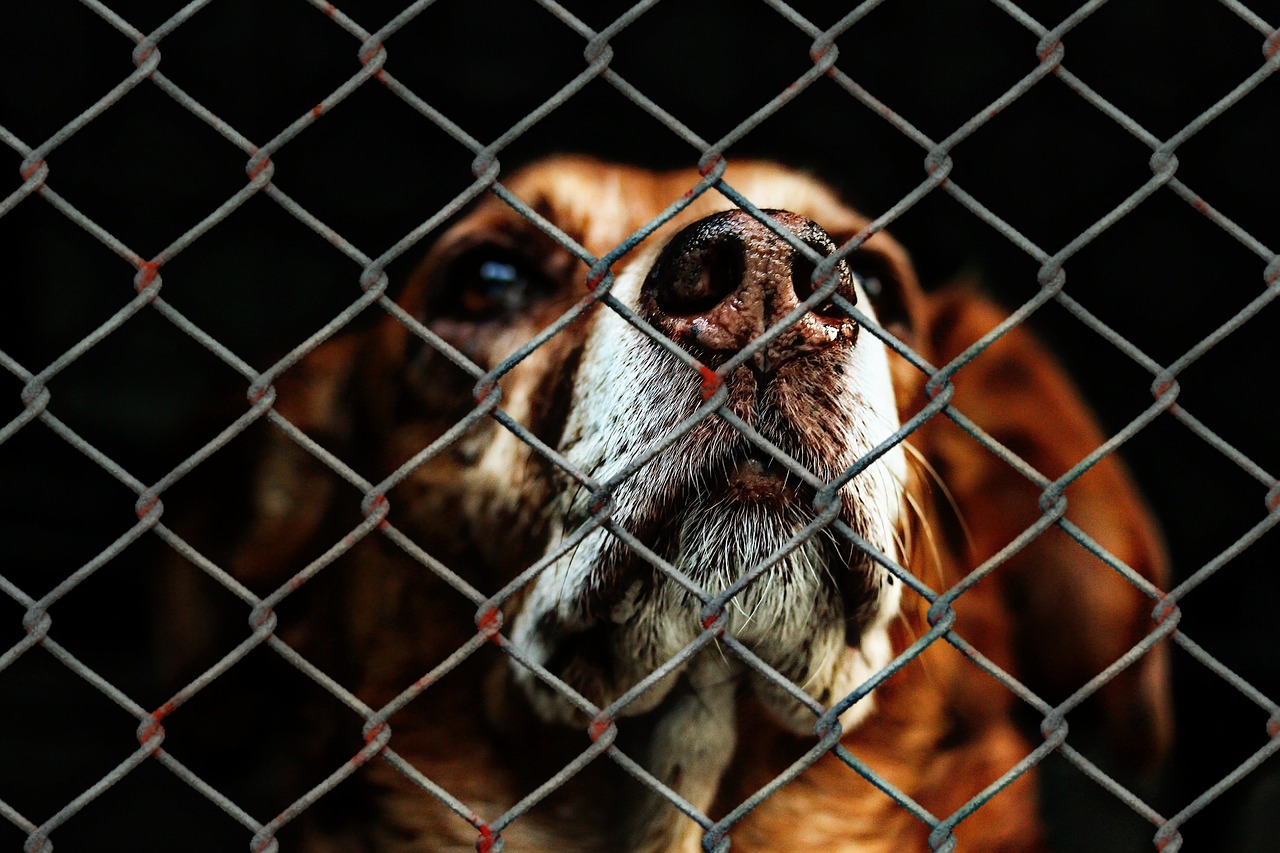
Adopting a Mastiff can be a rewarding experience, offering companionship and loyalty unmatched by many other breeds. Unfortunately, many Mastiffs find themselves in rescue organizations due to various reasons, ranging from neglect to owner surrender. When adopting a Mastiff, it’s crucial to do thorough research on available rescue organizations that specialize in this breed. These organizations often have dedicated volunteers who understand the unique needs of the Mastiff, providing crucial support throughout the adoption process. It’s wise to check for reviews online and outreach to local breed-specific groups. You can also access adoption events where prospective owners can interact with these gentle giants before making decisions. Furthermore, shelters offer educational materials that equip potential owners with insights into Mastiff care. Consider visiting these organizations to foster understanding of the breed and develop a connection. This effort can ease the emotional transition for you and your new furry friend. Adopted Mastiffs also often come with health and training information, enhancing your ability to provide proper care. Remember, adopting a dog is a lifelong commitment that deserves careful consideration and planning.
Choosing the right Mastiff rescue organization is essential to ensure a successful adoption experience. Rescues typically evaluate dogs for temperament and behavior, which is important as Mastiffs may display challenging traits if not properly managed. Many organizations provide crucial services, including veterinarian care, training, and socialization for the dogs they rescue. It’s beneficial to ask about the dog’s background, including its history and reasons for being surrendered. Understanding these details can assist potential owners in setting realistic expectations about behavior and needs. Additionally, inquire about the organization’s adoption process, as it often involves filling out questionnaires and home visits. This is a good sign that the organization assesses the suitability of homes for their dogs. You may also want to consider a foster-to-adopt program, allowing you to spend time with the Mastiff before making the final decision. Ensure that the shelter provides full disclosure about any potential health problems or behavioral issues, which is vital for your planning. Ultimately, connecting with a reputable rescue organization can lead to a fulfilling partnership with your new Mastiff.
Understanding Mastiff Behavior
Mastiffs are known for their gentle demeanor and loyalty, making them excellent family pets. However, like all breeds, they come with their unique behavioral traits that new owners must understand. Mastiffs are often calm and patient but can exhibit stubbornness when they sense they need to assert their authority or show independence. Socialization from an early age is fundamental to promoting good behavior in adult dogs. Prospective owners should engage their Mastiffs in various activities and introduce them to different environments, people, and animals. A well-socialized Mastiff tends to adapt more easily to changes, minimizing anxiety and fear-driven behaviors. Training is equally important, as a strong-willed breed like the Mastiff can be difficult to manage without clear guidelines and consistency. Positive reinforcement techniques generally work best; using treats or praise can encourage desired behaviors. Moreover, enrolling in obedience classes can offer valuable socialization opportunities with both dogs and humans. Fostering a solid relationship built on trust and respect will reward you with a loving and well-adjusted companion.
Proper nutrition is vital for the health of your Mastiff. These gentle giants require a balanced diet to support their size and energy needs. Initially, when contemplating adoption, it’s crucial to discuss dietary habits with the rescue organization to ensure continuity and make an appropriate transition. Choose high-quality food designed for large breed dogs that meet their specific requirements. This will help prevent obesity and related health issues like hip dysplasia, heart disease, or arthritis that Mastiffs often face. Regular feeding schedules should be established, keeping in mind their tendency to consume food quickly. To mitigate this, consider utilizing slow-feed bowls or dividers. Supplementing their diet with fruits, vegetables, or even specialized dog-safe treats can also enhance their overall health. Water must be readily accessible at all times, as keeping your Mastiff hydrated is key. Regular vet check-ups are essential for a proper health assessment, and this is an opportunity to discuss any dietary adjustments that may be necessary as your dog ages. Continuous monitoring of weight and dietary habits will help you maintain your Mastiff’s health throughout their life.
Exercise and Mental Stimulation
Despite their size, Mastiffs have energy and need regular exercise to stay healthy and content. Regular walks, gentle playtime sessions, and yard interactions foster physical fitness, decreasing the risk of obesity. Daily routines should accommodate adequate physical activities tailored to their energy levels to engage them effectively. However, it’s important to note that Mastiffs do not require excessive exercise, given their more moderate activity levels compared to other breeds. Shorter walks combined with opportunities for interactive play such as fetch can stimulate their minds while keeping their bodies active. Mental stimulation is equally significant. Providing brain games, puzzle toys, or training exercises helps to combat boredom and potential destructive behaviors that may develop if they feel under-stimulated. Engaging with your Mastiff through training and tasks also strengthens your bond, promoting a sense of security and calm. It’s essential to observe for signs of overexertion or fatigue during exercise, as these dogs can be prone to overheating. Establishing a flexible routine will ensure your Mastiff remains healthy and well-mentally supported, ultimately enhancing their quality of life.
Health considerations are paramount when adopting a Mastiff. As a breed, Mastiffs are predisposed to specific health issues, including hip dysplasia, heart diseases, and certain cancers. Knowing these risks can help prospective owners make informed decisions, ensuring they are prepared for potential medical needs. Prioritize finding a rescue organization that provides transparency about any known health conditions present in their dogs. Many organizations perform thorough health checks, offering evaluations and recommendations for ongoing care. New owners should strive to establish a strong relationship with a veterinarian familiar with Mastiffs to manage any breed-specific health issues effectively. Regular check-ups will enable early detection of potential health problems, fostering longevity and quality of life. Additionally, maintaining an appropriate weight and consistent exercise can mitigate several health concerns that arise from being overweight. Keeping up with vaccinations and preventative treatments, including flea and tick protection, is essential in ensuring your Mastiff’s overall well-being. By being proactive, you can significantly improve the chances for a healthy, fulfilling life with your adopted Mastiff.
Building a Loving Home for Your Mastiff
Creating a welcoming environment for your newly adopted Mastiff is crucial to help them acclimate to their new surroundings. Offer them space to feel secure, as transitioning into a new home can be overwhelming for any dog. Designate a comfortable area in your house with a bed or crate where your Mastiff can retreat when they need quiet time. Ensure your living space is free from potential hazards, such as unsecured cords, toxic plants, or anything that might tempt them to chew. Establishing a routine facilitates a sense of stability for your Mastiff, including regular feeding and exercise schedules, which leads to behavioral benefits. Gradually introducing them to family members, visitors, and other pets will help them adjust, strengthening their social skills. It’s also essential to integrate training reinforcement into your daily life to encourage positive behaviors. By investing time and love in your new companion, you create a trustful bond that contributes to their overall happiness. Dedication to providing a thoughtful, nurturing home will pay off with a loving, loyal friend. In time, your Mastiff will feel truly at home.
In conclusion, adopting a Mastiff involves a commitment to understand the breed’s unique needs. Engaging with the right rescue organizations can significantly enhance your adoptive experience and prepare you for the responsibilities of dog ownership. Remember that patience and understanding are paramount as your new Mastiff adjusts to their new home. Provide ample exercise, nutrition, and mental stimulation to support their well-being fully. Additionally, ensure you prioritize their health with regular vet visits and proactive healthcare. A loving and stable environment will make it easier for your Mastiff to flourish and grow into a loyal companion who stands by your side. While challenges may arise, the rewards of adopting a Mastiff are immense. You’ll gain an unwavering friend who will bring joy and love into your life in exchange for your dedication and care. Through mutual understanding and commitment, your journey with your newly adopted Mastiff can be enriching, filled with countless moments of happiness and memories. So take the steps necessary to prepare for adopting a Mastiff, and embark on this incredible journey with them today!