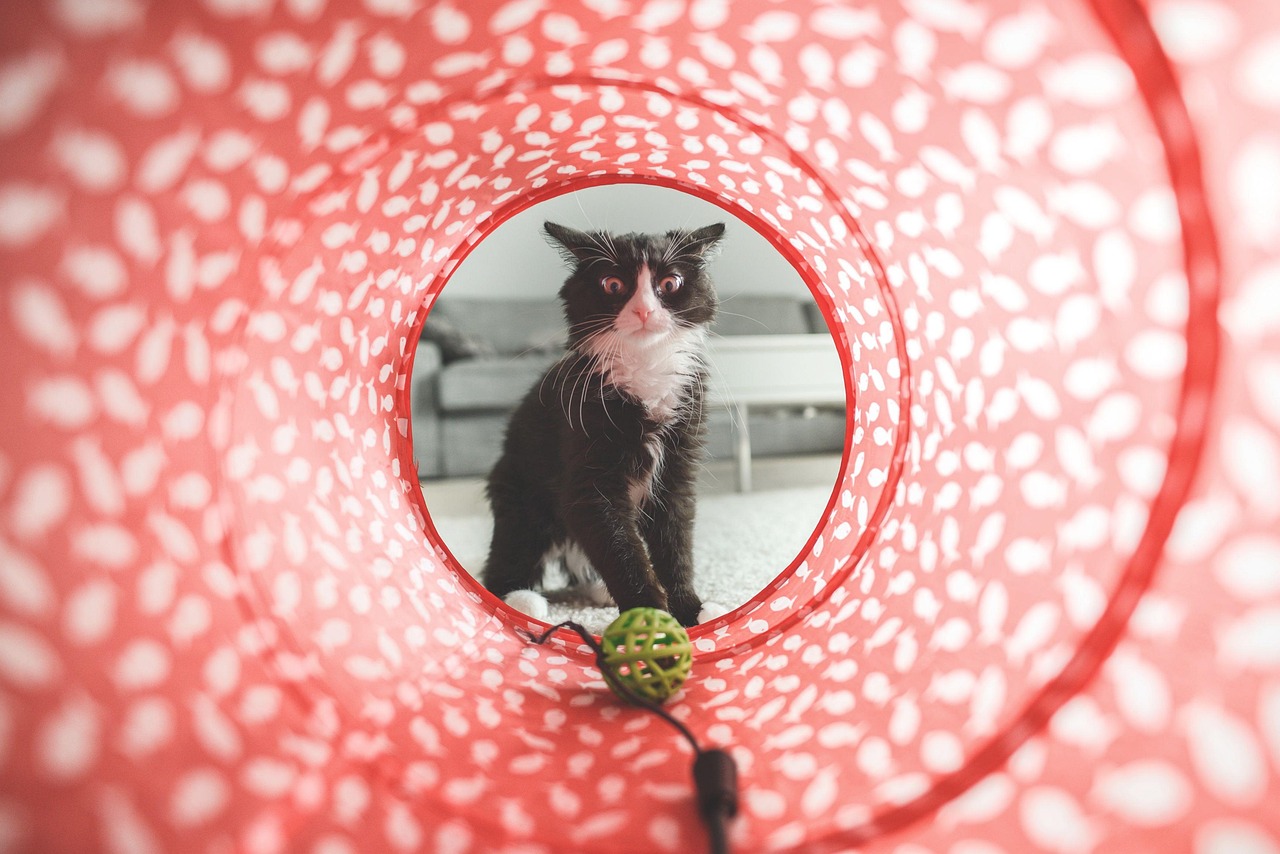

The Role of Play in Enhancing Cat Well-Being
Play is an essential component of a cat’s well-being, serving various purposes beyond mere entertainment. Engaging in play helps satisfy a cat’s instinctual hunting behavior, allowing them to express their natural predatory instincts. This engagement contributes to a cat’s physical health by promoting exercise, which is vital in preventing obesity and maintaining a healthy weight. Regular playtime can help improve muscle tone and cardiovascular health, which benefits older cats and kittens alike. Mental stimulation from interactive toys and activities prevents boredom, which can lead to behavioral issues like excessive scratching or vocalizing. Furthermore, bonding between owner and pet is enhanced during playtime, as it offers opportunities for positive interaction. The choice of toys plays an important role in maintaining a cat’s interest and motivation. Variety keeps the experience fresh, so rotating toys often can provide mental stimulation. Feather wands, laser pointers, or balls can engage their instincts, creating a fulfilling experience. Installing shelves or climbing structures encourages their natural climbing tendency. Providing safe spaces to explore further adds to their quality of life, making playtime essential for every cat household.
The Psychological Benefits of Play
Engaging in play significantly benefits a cat’s psychological health, providing them with relief from stress or anxiety. Cats, like humans, can experience stress, and their reaction to changes in the environment may lead to anxiety-related behaviors. Play offers a productive outlet for releasing pent-up energy and frustration, which can help reduce stress-related behaviors. Interactive play with owners fosters trust and builds a strong bond, promoting emotional attachment. Providing consistent playtime routines can create a sense of security for cats, as they learn to associate the time with positive experiences. This predictability eases anxiety in cats by giving them a structured environment. Social play can be particularly beneficial, especially for multi-cat households, encouraging healthy interactions among feline friends, and alleviating feelings of isolation. Moreover, play enhances cognitive functions as cats learn to strategize and interact with their environment during play. Puzzle toys can add an element of challenge that assists in mental growth and problem-solving skills. Therefore, recognizing play’s psychological importance helps improve the lives of our feline companions by ensuring they are happy, healthy, and deeply connected.
The importance of play extends to social behaviors cats exhibit, which can significantly impact their well-being. Social play with humans or other animals is an integral part of a cat’s socialization process. Kittens learn essential social skills through play, such as how to establish boundaries and communicate with fellow felines. During these interactions, they practice their physical skills and learn to gauge strength, which reduces the chances of real aggression later. When left without sufficient opportunities for social play, cats may develop behavioral issues, including fear or aggression toward their owners or other pets. This lack of interaction can lead to pain points in their psychological and emotional health. Additionally, solitary indoor cats might experience loneliness, making it crucial for owners to dedicate time for play. Encouraging an adventurous spirit through play helps develop a confident cat temperament. With consistent attention and varied play techniques, owners can greatly influence their cats’ social behaviors. Using toys that mimic live prey can tap into their instinctual behaviors and establish an interactive atmosphere that enhances their day-to-day life and strengthens bonds.
Types of Play for Cats
There are several types of play that can cater to the varying needs and preferences of cats. Each form serves a unique purpose and helps enhance their overall well-being. Solo play is one crucial aspect, where cats engage with toys independently. Toys like balls, feather toys, and even electronic moving toys can entertain and stimulate curious minds. Another type is social play, which provides essential bonding opportunities with humans or other pets. Engaging in interactive play, where cats chase laser pointers or feather wands, facilitates trust and improves the relationship dynamics. Exploratory play is another important element, allowing cats to investigate their environment. This can be enhanced through the setup of climbing trees or providing boxes to explore and feel safe in. Constructing a safe exploration area helps fulfill their innate curiosity. Lastly, imaginative play involves toys that require more complex interactions, fostering creative behaviors. Given this diversity in play types, it’s essential for cat owners to provide an array of engaging activities catering to their pet’s individual interests and preferences. Such variety ensures that cats lead enriching lives filled with joyful experiences.
In addition to mental and physical health benefits, play can enhance a cat’s adaptability to changes within their environment. Cats are creatures of habit, and it can be challenging for them to cope with sudden changes such as moving to a new house or the introduction of a new pet. Regular playtime creates stability and consistency, reinforcing positive environmental experiences. Familiarity with a variety of stimuli during playtime helps them acclimate to new surroundings. Habituation through play can reduce the potential stress associated with minor or major alterations in their lives. Providing interactive toys that mimic the movement of prey can foster adaptability, encouraging problem-solving. Gradual introductions to new situations or pets during playtime can also ease the transition process. Offering safe, calm spaces for play can help them feel secure when adjustments arise. Play creates a routine that enhances comfort and confidence in their surroundings. Engaging with toys and participating in interactive games can redirect their attention from stress, channeling it into more productive behaviors. Ensuring a stimulating environment keeps cats happy, allowing them to thrive despite changes, making play essential to their adaptability.
The Right Toys for Enhanced Play
Choosing the right toys can significantly influence a cat’s play experience and overall well-being. Not all toys cater to every cat’s interest, making it essential to evaluate their preferences. Cats exhibit varying play styles; some may prefer chasing and pouncing, while others might enjoy gentle batting or snuggling with toys. A range of toys ensures all aspects of their play instincts are met. Interactive toys, such as feather wands or laser pointers, should be staples in every cat’s toy collection. They encourage bonding and provide mental stimulation. Puzzle toys that dispense treats can challenge their intelligence and keep them occupied for longer periods. Toys that mimic prey, such as stuffed mice or crinkly toys, can entice their natural hunting drive. Moreover, incorporating variety keeps their interaction fresh, reducing the likelihood of boredom. It is also advisable to rotate their toys periodically to maintain their engagement. An array of toys that cater to different senses—sight, sound, and touch—creates a well-rounded play experience. Observing cats’ reactions can guide purchasing decisions to ensure their play experiences promote wellness and joy.
As attentive pet owners, everyone should consider the importance of play in their cat’s routine. Scheduling regular play sessions fosters bonding and trust between pet and owner, enhancing the unique relationship. Monitoring your cat’s behavior during and after playtime can help identify their preferences, allowing tailored experiences. Always be cautious and ensure that toys are safe and non-toxic, as this protects your cat from potential harm. Keeping an eye on toys for wear and tear and replacing them when necessary maintains a safe play environment. Cats who engage in regular play are often happier and display fewer behavioral concerns, showcasing the positive impact of play on their overall health. Making an effort to dedicate time for play into daily routines benefits both cats and their owners, enriching their lives. Further, researchers and veterinarians continually advocate for play as vital for mental and physical health, emphasizing its necessity in cat life. With adequate time spent on engaging activities, pet owners can witness their furry companions flourish within a joyful, dynamic, and interactive environment.
Conclusion: Play as a Lifelong Engagement
In conclusion, the role of play in a cat’s life is irrefutable. It serves as essential nourishment for their physical, emotional, and psychological development. Cats require various types of stimulation to thrive, continually exploring dynamic play opportunities throughout their lives. Owners who commit to providing enriching and varied experiences facilitate better-adjusted, happier cats. Regular play sessions reduce stress and behavioral issues while enhancing their adaptability to environmental changes. Every cat’s unique personality may require tailored playtime strategies, ensuring fulfillment and excitement in their lives. The bond forged through shared playtime strengthens the pet-owner relationship, creating mutual joy. By investing time in play, owners contribute significantly to their cat’s quality of life. Ultimately, understanding the multifaceted importance of play promotes healthier, more balanced, and happier felines.