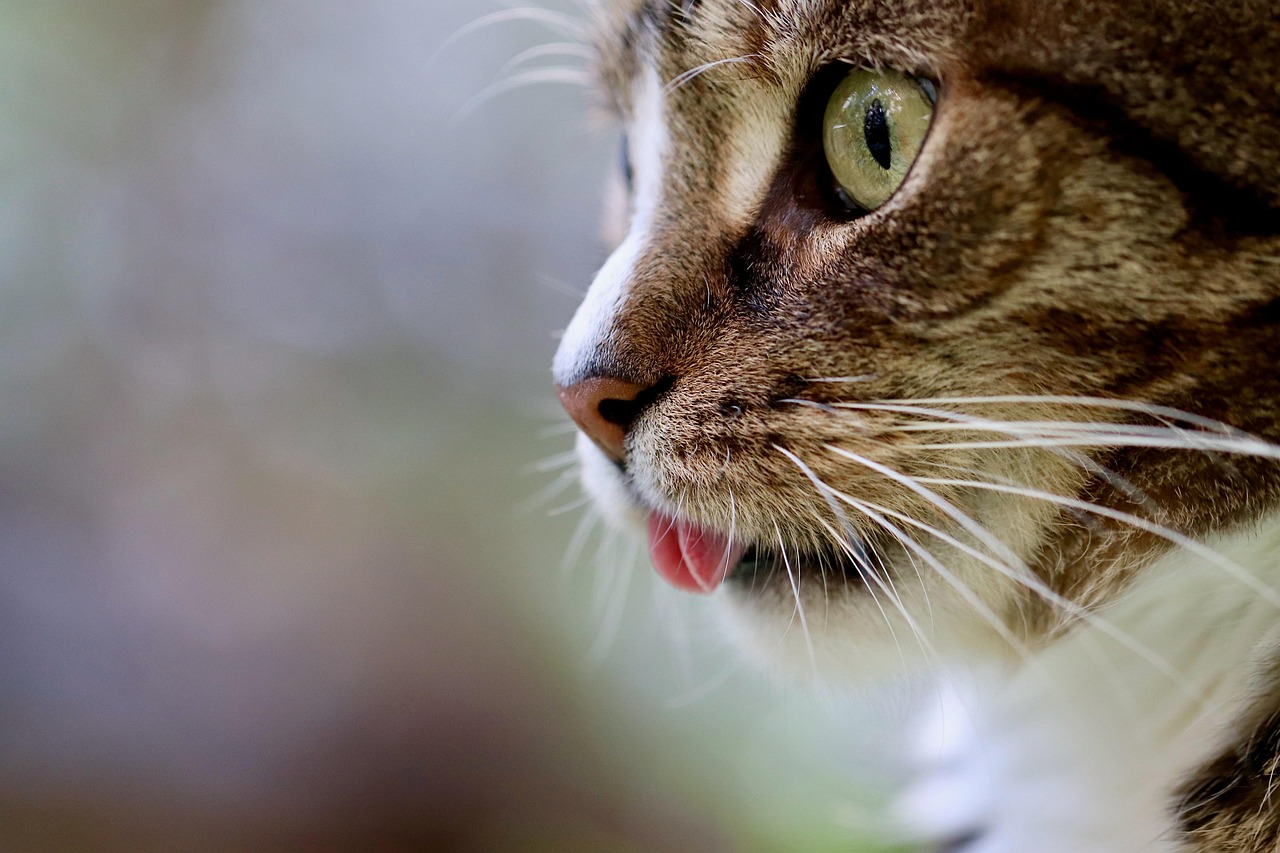

Traveling with Senior Cats: Special Considerations
Traveling with senior cats requires careful planning to ensure their comfort and safety throughout the journey. Older cats may have specific health needs, so consulting your veterinarian before any travel is essential. A health check can help identify any underlying issues that might complicate the trip. Additionally, it is wise to get a copy of their medical records to carry along, especially when traveling long distances. Keeping your cat’s needs in mind is crucial. Make sure to pack all necessary medications, food, and supplies, including items that provide comfort, such as their favorite blanket or toy. Consider the type of travel you are undertaking as well. Whether it’s a few hours by car or an extensive airplane journey, senior cats might react differently to various modes of transport. Always ensure your cat is secured in a carrier that is easy to handle but also provides enough space for them to relax during the trip. Remember, stress can lead to health issues, so creating a familiar environment is key in soothing their nerves during travel.
Preparing for the Journey
Preparation is vital for ensuring a smooth experience while traveling with a senior cat. First and foremost, establish a travel itinerary that accounts for frequent breaks. Regular stops allow your cat to stretch, eat, and drink, which is particularly important for older cats who may become dehydrated quickly. While packing, make sure to include basic supplies such as a folding litter box, disposable litter, and cleaning supplies in case of accidents. Also, keep an extra set of harness and leash for safety during stops. It’s beneficial to practice short car trips with your cat before the actual journey to help them get accustomed to their carrier and the car itself. Cats can be sensitive to changes; thus, gradual exposure can make them more comfortable. Additionally, discuss calming options with your vet prior to travel, as they may recommend anxiety-reducing medications or natural supplements. Always double-check your travel routes. If possible, avoid heavily trafficked roads and consider travel times outside of peak hours to minimize stress.
Once you are on the road, maintaining a calm environment is essential for your senior cat’s well-being. Soft music at a low volume can help soothe cats during travel. Keep the temperature inside the vehicle comfortable, as older cats may be more sensitive to extreme temperatures. Monitoring your cat’s behavior is also important; look out for signs of stress, such as vocalizing excessively or panting, which indicate they may need a break. If your cat shows signs of agitation, safely pull over whenever you can to give them a break from the confined space. During these breaks, offer fresh water and a small portion of their favorite treats to keep them hydrated and nourished. If traveling via air, research airline policies concerning pet travel and choose air carriers that are experienced in handling animals. Identify airport pet relief areas in advance, making transitions more manageable for your cat. Familiarizing yourself with airport procedures will help minimize delays or confusion during your travels.
Maintaining Their Routine
Routine is crucial for senior cats, as it fosters a sense of security. When traveling, aim to maintain your cat’s feeding and bathroom schedule as closely as possible based on your route. Bring a portable feeding dish and familiar food to ensure consistency during meal times. Cats are creatures of habit and can become anxious when their routine is disrupted. If you need to change their feeding schedule slightly due to travel constraints, do so gradually to avoid digestive upset. When you arrive at your temporary destination, set up their space immediately. Providing a designated area with their bed, litter box, and toys will help them adjust faster. It’s important to give them a quiet, safe spot during your stay. Allow your cat to explore and familiarize themselves with the new environment at their pace. Reassure them frequently with gentle interaction, as your presence can significantly reduce anxiety. Understanding how senior cats react to changes is vital for keeping their spirits high during your journey. Once settled, you may find they’re more at ease and ready to explore.
You should also keep in mind the importance of hydration while traveling with senior cats. Older cats are more susceptible to dehydration, especially on longer journeys. Make sure to offer water at regular intervals, and watch for signs of dehydration—such as lethargy or dry gums. Refill water bowls frequently, especially on hot days. Consider carrying a portable water bottle and collapsible bowl for convenience. Some cats may prefer drinking from moving water, so portable pet fountains are an option worth considering. During road trips, avoid feeding them large meals right before traveling to prevent motion sickness. Instead, opt for small snacks throughout your journey, and ensure they can relieve themselves regularly. If your trip involves staying at a hotel or rental, check that there are nearby pet-friendly areas where your cat can stretch and relieve itself. Researching pet-friendly destinations ahead of time will make the travel process smoother and more enjoyable. Additionally, confirm that the accommodations have appropriate amenities for your feline friend. This can include safe places for them to explore or relax without the chance of getting lost.
Health Considerations
Senior cats can be more vulnerable to travel-related stress and health issues compared to their younger counterparts. Thus, it is imperative to prioritize their care. Be aware of any pre-existing health conditions, such as arthritis or diabetes, that may require special accommodation during travel. After all, physical limitations can greatly affect your cat’s mobility and energy levels. Coordinate with your veterinarian to discuss potential management strategies that may ease their discomfort during travel. Additionally, if your cat requires medications, ensure you bring enough for the trip, along with clear instructions. Keeping detailed notes about their routine and medical needs will facilitate better care if there are any emergencies on your journey. Plus, having a list of nearby veterinary clinics at your destination can be advantageous in case of urgent needs. Always observe how your senior cat reacts during travel—if they appear in discomfort or distress, make adjustments accordingly. Traveling with a senior cat may be complex, but these precautions can make the trip easier and safer for both of you. Lastly, your well-being is linked to theirs, so always prioritize comfort and safety.
Traveling with senior cats can be both rewarding and challenging, as their needs require greater attention and care. Understanding your cat’s unique behaviors and preferences will help create a positive travel experience. Observe their cues closely as you travel, paying attention to their comfort levels and stress signals. Providing them with familiar environments can ease the tension of travel. Be patient, as reasonable timelines allow for rest breaks along the way. The ultimate goal is a safe and enjoyable journey while being vigilant about their health. Focus on careful planning before and after travel, ensuring that the routes chosen are optimal for your needs. When reaching your destination, allow time for your cat to acclimate to their new surroundings. Engaging in comforting behaviors, such as gentle petting and soft talking, may alleviate stress. Keep in mind that your senior cat may not adapt as quickly as younger cats, so offer them additional time and support. With your thoughtful consideration and proactive management of their individual needs, you can ensure that your travel experience is a success for both you and your beloved feline friend.
In summary, traveling with senior cats demands thoughtful planning and preparation to provide a safe, comfortable, and enjoyable experience for both pet and owner. It is crucial to prioritize their health and well-being by consulting your veterinarian before traveling. Carry important medical information, and be vigilant during the journey to notice their needs and signs of stress. Regular breaks, maintaining routines, and creating a calming environment can significantly improve their travel experiences as they may require more time to adjust. Use familiar items such as beds and toys to ease their transition into a new environment. Incorporate proper nutrition and hydration strategies throughout the journey and take note of their physical limitations when planning activities. Should any health issues arise during your trip, having the necessary supplies and connections with local vets will ease the burden of care. Ultimately, with the right mindset and preparation, you can create incredible memories with your senior cat while exploring new places together. Adapting to their needs while prioritizing safety ensures that travel can be both enjoyable and stress-free.