
Decoding Your Cat’s Tail to Improve Your Relationship
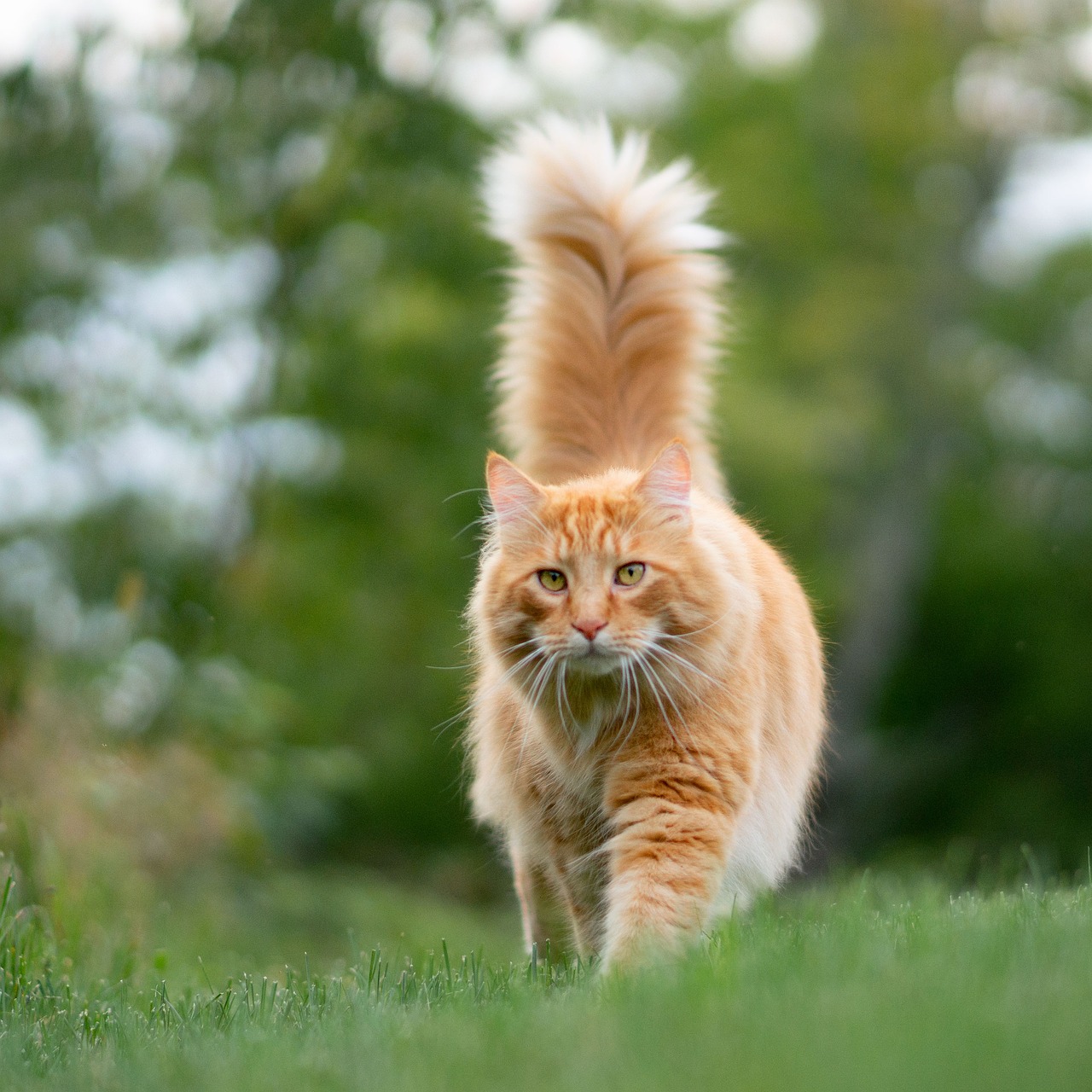
Understanding your cat’s tail movements can greatly enhance your ability to communicate and bond with your feline friend. Cats use their tails to express emotions and intentions, and learning to interpret these signals is crucial. For example, when a cat holds its tail upright, it often signifies confidence and curiosity. This could mean your cat is happy to see you and wants to engage. On the contrary, when a cat’s tail is puffed up or bristled, it indicates fear or agitation. This behavior can signal that your cat feels threatened or is prepared to defend itself. Moreover, a low tail often indicates submission or insecurity, meaning the cat may not feel comfortable in its environment. Becoming attentive to your cat’s tail signals enhances your understanding of its mood and needs. Being observant allows you to respond appropriately to your cat’s feelings, promoting a healthier and more harmonious environment at home. Additionally, recognizing these signals strengthens the bond between you and your pet, leading to a more trusting relationship.
One fascinating tail position that many cat owners encounter is when the tail is held in a slight curve, often resembling a question mark. This posture generally indicates playfulness and readiness for interaction. Cats exhibit this behavior primarily when they are feeling enthusiastic and playful. Recognizing this open invitation can help you engage with your feline friend in a fun manner. Moreover, if the tail swishes back and forth rapidly, it can suggest a mix of stimulation, excitement, and agitation that requires your awareness. It’s important in these moments to assess your cat’s overall body language and take care that the excitement does not turn into aggression. Always respect their space and emotional state while mutually sharing enjoyable moments. Additionally, consider providing toys or engaging in gentle play to channel their energy positively. Understanding these cues enhances your relationship, allowing you to respond to your cat’s energy effectively. As you gain insight into these signals, you foster an improved coexistence, ensuring both you and your furry companion feel at ease in each other’s presence.
When interpreting tail signals, pay close attention to how your cat reacts in different scenarios. For instance, if your cat approaches with its tail erect while gently curling the tip, it often portrays a friendly demeanor. This behavior shows that your cat does not perceive any immediate danger and is comfortable in its surroundings. However, if the tail is stiff and held high, watch out for aggression or warnings. Cats can exhibit this form of communication when they encounter possible threats. In situations where the tail is held low and is accompanied by a flattened body posture, the cat may feel anxious or insecure. Keeping these cues in mind enables you to address potential issues and foster an environment conducive to their happiness. Additionally, try to create positivity in stressful situations, allowing your cat to feel safe and secure. Understanding these nuances of tail communication can significantly improve your ability to care for and bond with your cat. As you grow to interpret these signals accurately, you foster greater empathy toward your pet’s emotional states.
Common Tail Position Interpretations
Within the spectrum of cat tail signals, certain positions carry specific meanings that every cat owner should recognize. A cat’s tail wagging slow and deliberately usually signifies a high level of concentration or curiosity. This behavior often occurs during stalking or playful moments when it’s hunting its toy. On the other hand, a tail flicking rapidly may indicate irritation or frustration, often prompting an owner to choose a calmer approach with their cat. If your feline friend curls its tail around another animal or person, it’s likely expressing affection and trust. This action signifies that the cat feels secure enough to openly welcome companionship. Additionally, a quivering tail can often mean excitement, particularly when your kitty is greeting a beloved owner. Awareness of these various tail movements serves to improve your understanding of your cat’s emotional landscape. This knowledge, in turn, enriches your interaction, fostering a continued, loving companionship that acknowledges and adapts to your pet’s feelings.
To further enhance your understanding of your cat’s body language, consider how tail signals interact with other physical cues. Often, a cat’s ears, whiskers, and even the position of its body work in conjunction with tail movements to provide a fuller picture of its emotional state. For example, when the tail is up and the ears are forward, it indicates a playful and friendly readiness. Contrastingly, if your cat’s tail is down, and ears are flattened back, the environment likely feels threatening to it. Notably, whisker position is equally important. Whiskers that are forward may indicate curiosity, while whiskers pulled back may signal fear. Observing these combinations helps you better understand when your feline might feel agitated or joyful. Making consistent observations about your cat’s movements can lead to a deepened bond based on trust and comfort. More importantly, it empowers you to create a safe space where your cat feels secure, welcome, and emotional understood in your home. This awareness will build a resilient and loving partnership.
In conclusion, recognizing your cat’s tail movements can reveal much about its feelings and desires. Establishing clear communication with your feline companion is vital for nurturing a deeper connection. Be attentive to the many signals your cat displays, while also reinforcing your observations through positive interactions. Engage in activities that align with their mood based on tail signals, allowing moments of playfulness or comfort. As you learn to navigate these signals, you empower your cat to express itself more freely, enriching both its life and yours. Enhanced understanding leads to better care, perfectly tailored to your cat’s needs. Building this relationship based on deep empathy will contribute to your cat’s well-being. As a result, your pet will flourish, bringing joy and companionship into your life. These insights will not only improve how you relate with your cat but also create unforgettable moments of togetherness. Becoming fluent in your feline’s tail language is an ongoing learning experience that brings immense joy and satisfaction. Cherish the journey of discovering your cat’s unique personality and expressions as you grow closer together.
Ultimately, nurturing a strong bond with your cat hinges on understanding its various forms of communication, especially via its tail. With consistent observation and proactive engagement, you can learn to decode these signals effectively over time. It is essential to remain patient and attentive. Every cat possesses a unique personality that dictates how they express themselves, so adjustment and observation regarding their particular signals will be beneficial. Additionally, create an environment that allows your feline buddy to explore and express itself without fear. Fostering a space that respects their emotions promotes trust and security. A happy cat contributes to a happier household environment altogether. Being informed about tail signals hardly guarantees instant communication; however, it lays the groundwork for an engaging relationship. These interactions play a crucial role in reducing stress levels for both you and your cat. As your communication with your cat flourishes, both of you benefit from understanding and love, fostering a harmonious existence. Participate regularly in positive interactions, always encouraging play and relaxation to establish a prosperous bond.
Ultimately, interpreting your cat’s tail signals is integral to building a trusting and loving relationship. The knowledge acquired regarding these subtle cues empowers you to interact positively with your feline friend, ensuring their happiness. As you become fluent in understanding their signals over time, you will nurture a bond rooted in mutual respect and empathy. Remember that every cat is unique and might express itself differently, highlighting the diversity among felines. Engaging thoughtfully with your cat based on its tail movements fosters a meaningful connection that promotes well-being. Developing a close relationship with your pet will also encourage open communication between both of you. Moreover, understanding these emotional signals is not only rewarding but helps contribute to peaceful cohabitation. By making small changes in your interactions, you can create a harmonious environment filled with acceptance and love while regularly reinforcing those bonds. Offering your cat an enriched life filled with interaction and understanding leads to a more contented existence. Every purr and nuzzle can become an emblem of the connection built through keen observation and understanding of your cat’s nuanced tail language.