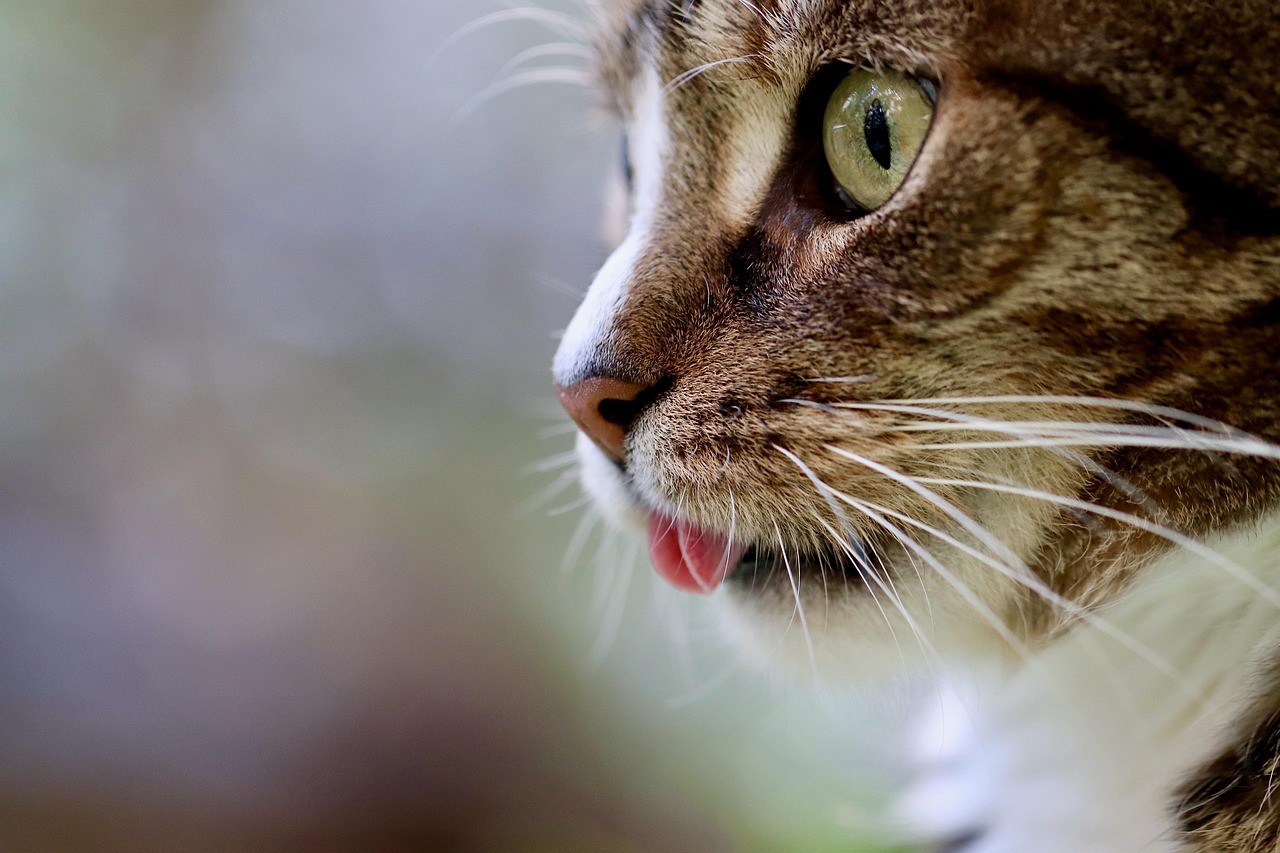

Home Remedies to Soothe Your Cat’s Overgroomed Skin
Overgrooming in cats can lead to bald spots, causing both discomfort and concern. This behavior can stem from anxiety, allergies, or skin irritations. Identifying the root cause is crucial for effective treatment. As a cat owner, observing your pet’s grooming habits is essential. Cats may overgroom due to stress, so creating a calm environment is paramount. Modifying your cat’s surroundings can effectively reduce anxiety. For instance, using cat trees or quiet spaces can help your pet feel secure. Additionally, ensure that your cat has a stimulating environment to distract from overgrooming tendencies. Implement interactive toys and scratching posts to engage your cat’s attention. Monitor their behavior closely and involve a vet if overgrooming persists. Incorporating home remedies can also alleviate overgroomed skin. Natural options include oatmeal baths and coconut oil applications. These methods can provide soothing relief and promote healthier skin. Observing your cat after implementing these remedies can help in assessing their effectiveness. Maintaining a consistent approach to addressing overgrooming ensures a happy and healthy cat.
Keeping your cat’s skin healthy is beneficial for their overall comfort. Natural remedies can play a significant role in this. When considering home remedies, opt for gentle ingredients that offer soothing effects. One popular method involves using aloe vera gel, which is known for its healing properties. Apply this soothing gel to affected areas of your cat’s skin. Ensure to monitor your cat’s reactions closely and discontinue use if irritation occurs. Another effective remedy includes using chamomile tea as a rinse after their baths. Chamomile has calming properties, reducing inflammation and promoting healing. Make a strong chamomile infusion, allow it to cool, then apply it to your cat’s affected skin. Always consult your veterinarian before starting any new treatments or remedies to ensure they are safe. Additionally, the importance of hydration cannot be overlooked. Ensure your cat has access to fresh water daily to maintain skin health. Diet also contributes to skin condition. Feeding a balanced diet rich in omega fatty acids supports healthy skin and coat. Lastly, regular grooming helps distribute natural oils, promoting overall skin health and reducing overgrooming behavior. Consistent care is vital.
Understanding Underlying Causes of Overgrooming
Understanding why your cat overgrooms can aid in finding solutions. One common cause is stress or anxiety, often triggered by changes in their environment. Cats are creatures of habit; abrupt changes can be unsettling. Things such as moving, new family members, or changes in routine can prompt overgrooming habits. Another factor can be allergies, whether food or environmental. Cats may groom excessively in response to itchy skin or other irritations. It’s important to monitor your cat for signs of allergies, including sneezing or excessive scratching. A visit to the vet can provide insights into potential allergy management strategies. Additionally, underlying medical conditions can cause overgrooming. Issues such as skin infections, parasites, or hormonal imbalances should be ruled out. Regular veterinary check-ups can help identify any conditions early. If your cat is stressed, consider employing calming tactics like pheromone diffusers or calming music. These methods create a more soothing environment. Supporting your cat emotionally plays a pivotal role in mitigating overgrooming behaviors. Involving playtime and positive reinforcement can reduce anxiety levels, leading to healthier grooming patterns over time.
Providing a safe and secure space in your home is crucial. Cats often seek out hidden or enclosed areas to feel protected. Creating safe zones can help alleviate their anxiety, reduce overgrooming, and improve their overall well-being. Consider setting up a quiet, comfortable space away from household noise where your cat can relax. This dedicated area can help your cat feel safe and promote relaxation. Additionally, using soft bedding and familiar toys in this area can enhance their comfort levels significantly. Engaging your cat in routine activities is another beneficial aspect. Make time for interactive play sessions, which stimulate your cat’s mind and body while reducing stress. Scheduled playtime gives your cat something to look forward to, helping redirect their focus. Be mindful of your cat’s body language during these sessions; understanding their cues can strengthen your bond. Establishing routines can help provide a greater sense of security. Feeding and playing at regular times can reduce anxiety and productive behaviors. Though overgrooming can be a challenge, creating a positive atmosphere at home significantly improves your cat’s emotional state, leading to healthier grooming patterns.
Nutritional Support for Healthy Skin
Nutritional support is vital for addressing overgrooming issues in cats. A well-balanced diet can significantly improve your cat’s skin health. Focus on high-quality cat food rich in essential nutrients, including amino acids, vitamins, and minerals. Specifically, fatty acids like Omega-3 and Omega-6 are crucial for maintaining a healthy coat and skin. These nutrients help promote natural oil production in your cat’s skin, which combats dryness and irritation. Sprinkling a bit of fish oil on their food can be an effective way to supplement Omega fatty acids. It enhances flavor while aiding in skin health. Additionally, ensuring your cat is eating enough hydration is essential; include wet food in their diet to boost moisture intake. Adequate hydration aids in maintaining healthy skin from within, reducing dryness and irritation that can lead to overgrooming. Always consult your veterinarian before making significant dietary changes. They can recommend specific brands and formulations suitable for your cat’s age, weight, and health status. With the right nutritional support, you can assist your cat in managing their skin health more effectively, leading to reduced grooming behaviors and a happier pet overall.
Regular veterinary visits are essential for monitoring your cat’s overall health. Routine check-ups allow the vet to assess any underlying issues contributing to overgrooming. Discuss any changes in behavior or grooming habits seen at home with your veterinarian. They can conduct physical exams and run tests to rule out medical conditions. If allergies are suspected, your vet may recommend allergy testing to pinpoint the issue. Furthermore, your vet can provide specific recommendations for dietary changes, medications, or other treatments. Keeping a closer eye on your cat’s behavior will demonstrate any progress made. Observations on how new remedies affect their grooming patterns can yield valuable insights. Take notes on any changes you notice regarding their skin health, behavior, and overgrooming concerns. Finally, maintaining open communication with your veterinarian enhances your ability to address these issues effectively. They are your best resource for tailor-made solutions for your cat’s specific needs. Staying proactive in your approach will ensure your feline friend receives the care needed. This means that monitoring and working closely with professionals can facilitate your cat’s journey toward healthier grooming habits.
Final Thoughts
In summary, addressing overgrooming in cats requires a multi-faceted approach involving environmental, nutritional, and emotional considerations. Observing and understanding your cat’s behavior is a critical first step in managing their grooming habits. Home remedies like aloe vera and chamomile can provide relief, alongside ensuring your cat’s diet is adequate for skin health. Regular veterinary visits are crucial for ruling out health issues that may contribute to overgrooming and for keeping potential allergies at bay. Establishing safe spaces and engaging your cat in daily activities ensures they feel secure and fulfilled. Additionally, monitoring their reactions to any changes can help assess the effectiveness of the implemented remedies. Consistent communication regarding your cat’s health with your vet leads to tailored solutions that best suit your cat’s needs and contribute to overall well-being. Remember that a patient approach can make a significant difference as you work diligently to reduce overgrooming tendencies in your beloved pet. You can cultivate a healthier environment and lifestyle for both yourself and your cat, fostering a healthier, happier feline companion.