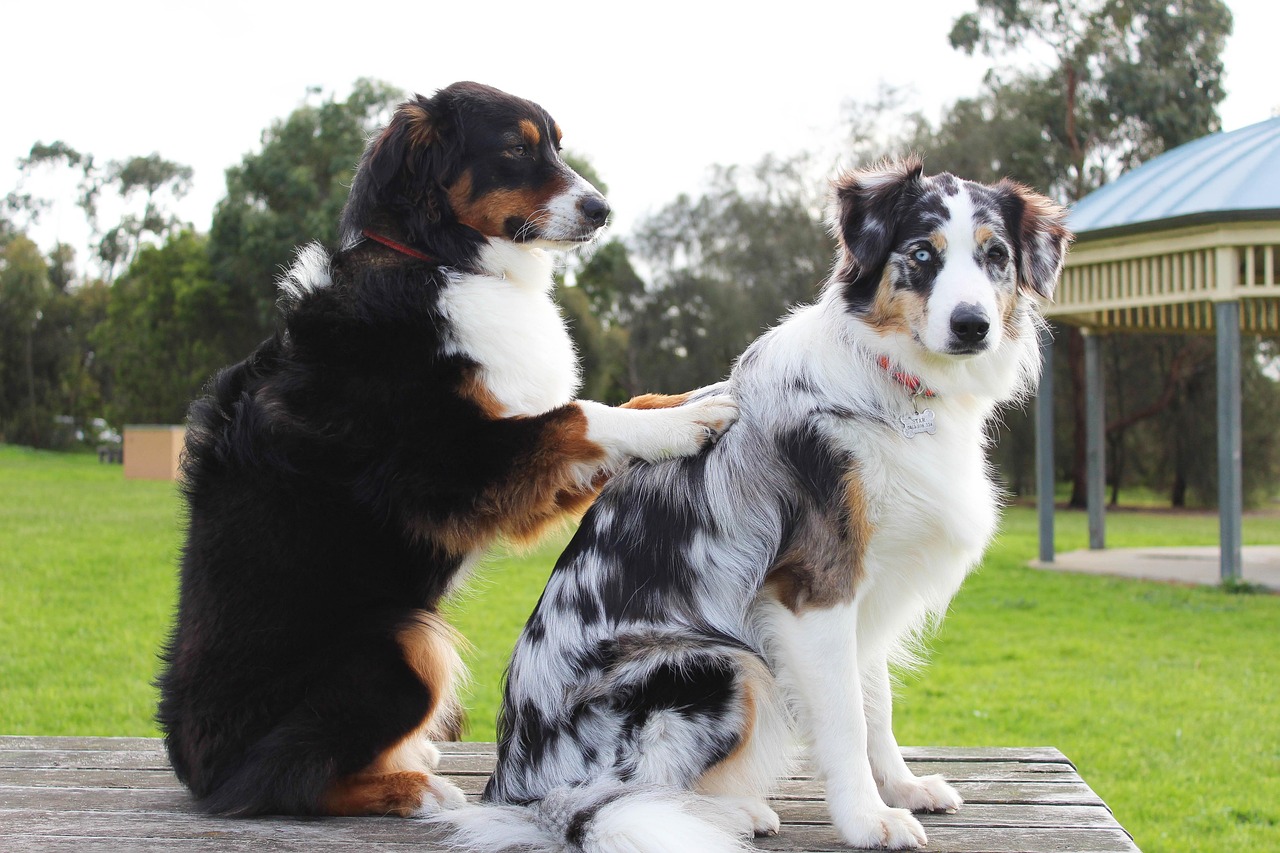

Nutrition and Health Tips for Therapy Dogs
Therapy dogs play a vital role in providing comfort and emotional support. Therefore, their nutrition is essential for maintaining overall health. A balanced diet can enhance their physical condition, energy levels, and emotional well-being. Pet owners must ensure that their dogs receive high-quality commercial dog food or well-planned homemade diets with appropriate nutritional content. Include proteins, carbohydrates, and fats to provide necessary energy. Additionally, an ample supply of vitamins and minerals supports healthy growth and immune function. Consult a veterinarian to tailor the diet to specific breeds, sizes, and health conditions. Incorporating adequate hydration is vital; always provide fresh water. Monitor your therapy dog’s weight closely, as obesity can lead to various health issues, impacting their ability to engage in therapy work effectively. Regularly update your dog’s diet according to their activity levels and age. If your dog has dietary restrictions, try hypoallergenic food options or consult a professional. Regular health check-ups can identify any deficiencies or dietary adjustments needed, thereby ensuring your therapy dog can perform at their best. Remember, a well-nourished dog will be more responsive and effective in therapy settings.
Aside from nutrition, regular exercise is crucial for therapy dogs. Engaging activities enhance physical fitness, promote mental stimulation, and strengthen the bond between the owner and the pet. Aim for a consistent routine that encourages both aerobic and strength-building exercises. Daily walks can effectively burn energy while providing opportunities for socialization with other dogs and people. Activities should also vary to prevent boredom, incorporating playtime, agility training, or fetch sessions. Exercise impacts mood positively; it helps reduce anxiety and can even alleviate some behavioral issues. Remember to consider the dog’s age, breed, and health status when determining suitable activities. Older dogs may benefit from less strenuous exercises, while younger, more energetic breeds might require more intense workouts. Incorporating new activities, such as swimming or hiking, can introduce your dog to different terrains and experiences. Also, pay attention to weather conditions; ensure that dogs are hydrated in heat or properly warmed in cold weather. Regular physical activity leads to longer, healthier lifestyles, which is essential for therapy dogs who need to be at their best to provide support. Balance exercise with nutrition is key for optimal health and effective therapy work.
The Importance of Regular Vet Visits
Routine veterinary check-ups are a pivotal part of maintaining a therapy dog’s health. These appointments help identify potential health issues before they become severe. Regular exams typically include physical assessments, vaccinations, and discussions about any behavioral changes owners may notice. It’s vital to discuss your therapy dog’s specific role during these visits, as working dogs may experience different stressors or health concerns than average pets. A veterinarian can also recommend health screenings tailored to breeds that may have genetic predispositions to various illnesses. Additionally, dental hygiene is often overlooked; regular dental cleanings can prevent issues like periodontal disease, affecting the dog’s health and performance. Flea, tick, and heartworm prevention should also be part of the routine care, shielding therapy dogs from ailments that could disrupt their functions. Keeping up with vaccinations ensures your dog is protected, particularly as they may frequently encounter various environments in their therapeutic roles. Lastly, don’t hesitate to ask your vet about nutrition and exercise options to keep your therapy dog in the best condition to serve. Regular vet visits ultimately promote the longevity and effectiveness of therapy dogs.
Grooming is another essential aspect that contributes to the overall health of therapy dogs. Regular grooming sessions help maintain a clean coat, preventing matting, skin issues, and discomfort. Depending on the dog’s breed, grooming needs may vary. Long-haired breeds require more frequent brushing to avoid tangles and dirt accumulation, while short-haired varieties may need less. Regular bathing with appropriate dog shampoo keeps the coat shiny and healthy. Moreover, taking care of a therapy dog’s nails is crucial; overgrown nails can lead to pain and difficulty walking. Ears should also be checked routinely to prevent infections. This can be especially important if therapy dogs work in environments where they are more vulnerable to allergies and infections. Furthermore, grooming provides an excellent opportunity for bonding between the dog and its owner, allowing for trust and comfort. When dogs feel cared for and comfortable with grooming routines, they are often more relaxed and responsive during therapy sessions. Regular grooming should not be viewed as a chore but as a crucial aspect of your therapy dog’s health and ability to perform their important role effectively.
Understanding Dietary Restrictions
Therapy dogs, like humans, may have dietary restrictions that necessitate careful consideration of their nutrition. Certain dogs may develop allergies or intolerances to specific food ingredients, requiring vigilance in their dietary choices. Common allergens include beef, chicken, and wheat, often leading to gastrointestinal issues. Owners should observe their dogs and seek medical advice if unusual symptoms arise after eating. Conducting elimination diets can help identify problematic ingredients and support better health choices. When significant allergies are identified, hypoallergenic dog foods may be the best option, providing necessary nutrition without triggering allergic reactions. Additionally, some conditions such as diabetes or hypothyroidism can require special diets managed by veterinarians. Attention to portion control is also significant, especially for dogs needing to lose weight or manage certain health conditions. Offering nutritious treats such as carrots or apple slices can help maintain a healthy diet without compromising health. Collaboration with a veterinarian will guide the owner through dietary planning, ensuring that all nutritional needs are met while addressing any restrictions. Meeting the dietary needs of a therapy dog maintains their health, ensuring they are as effective as possible in their therapy roles.
Socialization is a fundamental component of therapy dog training, essential for health and performance. Properly socialized dogs are more likely to thrive in diverse environments, offering comfort and support effectively. Early exposure to various settings, people, and other animals enhances their confidence and adaptability. Gradual introductions to new experiences are critical; this can avert anxiety and fear in unfamiliar situations. It is equally important to engage therapy dogs in activities that reinforce their skills, such as petting sessions or visiting hospitals and schools. Allowing them to explore and understand different environments optimizes their ability to connect with therapy recipients. Enrichment activities can include games and problem-solving tasks, fostering better mental health and reducing behavior issues. Over time, this dedication to socialization pays off, as therapy dogs become adept at recognizing and responding to the need for comfort in different individuals. Positive encounters will further strengthen their ability to offer effective emotional support, creating a trusting dynamic between the therapy dog and recipients. Consistently socializing your therapy dog equips them to navigate various social contexts, ensuring successful and impactful therapy sessions.
Conclusion: A Holistic Approach to Health
Taking a holistic approach to the health of therapy dogs is essential for their well-being and effectiveness in therapy roles. Owners must consider nutrition, exercise, grooming, veterinary care, and socialization as interconnected elements contributing to overall health. Each component plays a critical role, enhancing not only the physical condition of the dog but also their emotional resilience and capacity to connect with therapy recipients. A balanced diet coupled with regular exercise creates a foundation for physical health, while grooming and routine check-ups ensure cleanliness and preventive care. Socialization is critical for developing a confident dog capable of navigating various environments and situations. Additionally, understanding any dietary restrictions your therapy dog may have optimizes nutritional plans, ensuring a tailored approach to health care. Owners are encouraged to be proactive and attentive to their dog’s needs, seeking professional guidance when necessary. By prioritizing their therapy dog’s health holistically, owners can empower their dogs to thrive in emotional support roles, positively impacting those they serve. Ultimately, this leads to a fulfilling experience for both the therapy dog and the recipients they support.