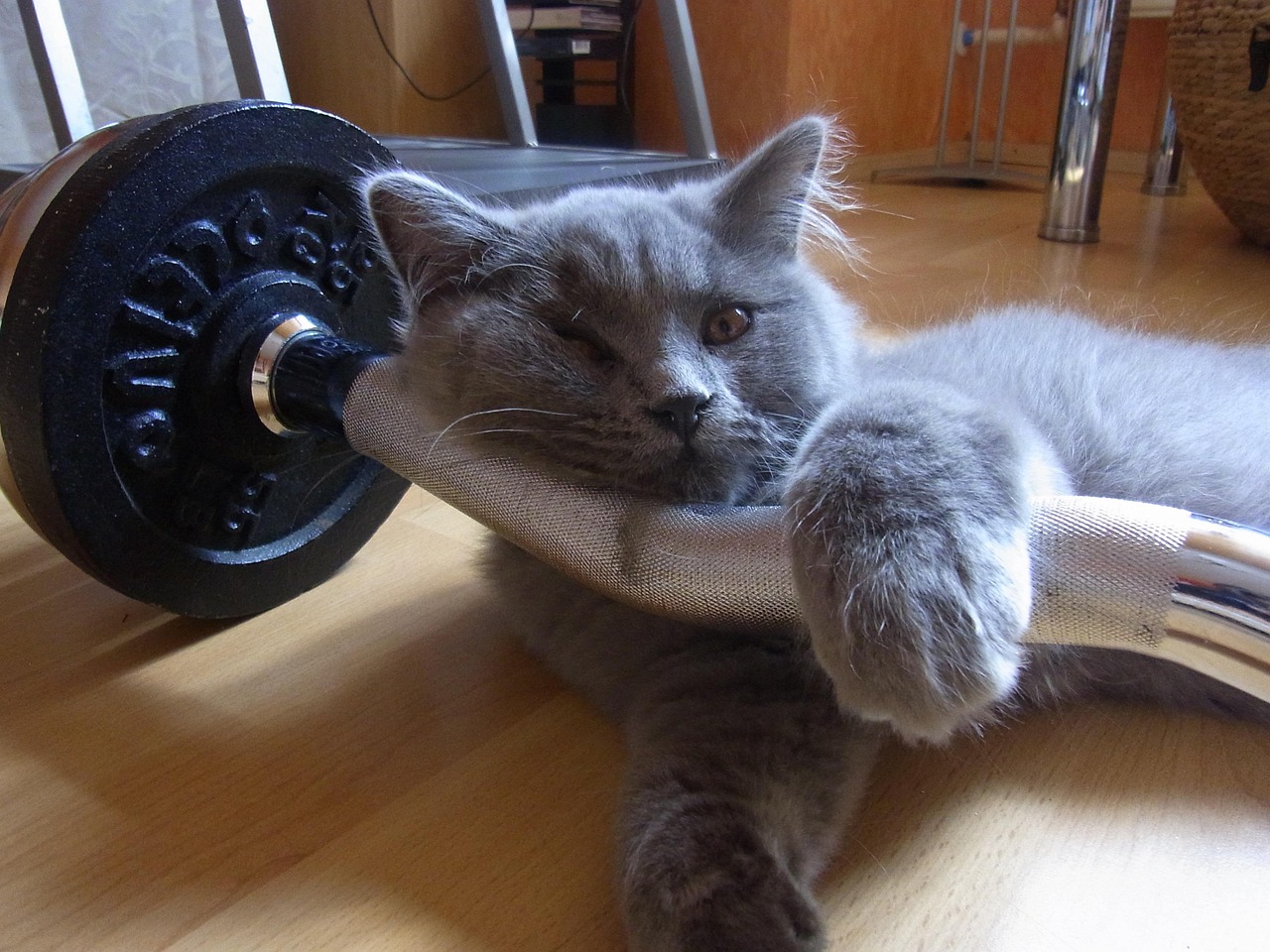

Using Positive Reinforcement to Teach Sit and Stay to Cats
Teaching your cat the commands “sit” and “stay” can be a rewarding experience for both you and your furry friend. The secret lies in positive reinforcement, which encourages your cat to repeat a desired behavior by rewarding them. Begin by ensuring your cat is in a calm environment without distractions. Choose a time when your cat is alert and focused, and gather some treats your cat really enjoys. Positive reinforcement is crucial because it creates a bond of trust between you and your cat. When starting, it’s helpful to use a consistent marker word or sound to signify that they have performed the desired action correctly. Cats respond well to high-value treats, so make sure the rewards are something truly enticing, such as small pieces of chicken or tuna. By using these treats, you capture your cat’s attention, making them more likely to engage with the training process. Each successful performance of the sit or stay command should lead to immediate praise or a reward to reinforce desired behaviors effectively. Consistency is key to success.
Once your cat begins to grasp the concept of sitting on command, you can further enhance the training by mixing in the “stay” command. Start with your cat in a sitting position, then clearly say “stay” while using a hand signal, which helps them understand what is expected. If your cat holds the position, reward them with a treat immediately. Gradually increase the duration of the stay command before rewarding them, creating a challenge that keeps their attention. It’s important to practice this command in various locations, as your cat may struggle with unwanted distractions outside their normal environment. Patience is crucial here—make sure to keep training sessions short and fun, ideally lasting no more than five to ten minutes. Frequent, short sessions tend to be more effective than long, drawn-out training. As your cat improves, you can start to reduce the number of treats gradually, transitioning to verbal praise or gentle petting as rewards. This provides them with motivation to perform the tricks even when treats aren’t present, building long-term reliability in their responses.
Understanding Your Cat’s Body Language
Understanding your cat’s body language is essential during training sessions. Cats communicate primarily through body language, which means recognizing their signals can enhance training effectiveness. Watch for signs that indicate your cat is comfortable and engaged, such as ears facing forward or a relaxed body stance. Conversely, if your cat’s ears are flattened or their tail is twitching, these signals indicate discomfort or frustration. Always respect your cat’s feelings; if they seem uninterested or stressed, it’s best to stop the session and allow them some downtime. Creating a positive environment plays a significant role in their learning process. Engage in high-energy, playful moments before training; this can help your cat associate fun with learning commands. Learning should not be a forced activity, so try to be flexible with your approach. If your cat is not responding to your commands after several attempts, it may be helpful to switch up your tactics, such as changing treats, adjusting your tone, or practicing in a different location. Maintaining a positive atmosphere while understanding their limits is the key to successful training.
When training cats, consistency and routine matter significantly for success. Establish specific times for training during the day, which helps your cat learn when to expect these learning moments. Cats thrive on routine, and having set times makes it easier for them to learn commands. It’s also essential to use the same tone of voice and hand signals every time so your cat can make the associations necessary for their success. Involving family members in the training sessions can help maintain consistency, where everyone follows the same training methods and commands. Consistent practice reinforces the commands you teach, and over time, this leads to your cat associating actions with verbal commands or hand signals reliably. Mix up one command with another during practice to encourage your cat to switch between them. This not only keeps them engaged but also solidifies their understanding of different commands. Training should feel like quality time for both of you, where each successful moment is celebrated with enthusiasm and rewards, fostering a love for learning in your cat.
Common Challenges You May Encounter
Despite your best efforts, you may encounter challenges while training your cat to sit and stay. One common issue is lack of interest, where your cat might not be motivated by treats or even the training itself. If you experience this, consider varying the treats or incorporating a toy that your cat loves during sessions. Another frequent challenge is distractions, especially when training outdoors; there might be too many stimuli that might make it hard for your cat to focus on commands. Training in a quiet, controlled environment initially can be very helpful. Gradually introduce more distractions as your cat improves their listening skills, ensuring that they still receive rewards for following commands. If your cat gets too excited or restless, it may be beneficial to take breaks during training sessions or use calming strategies, such as gentle stroking or soft talking. Always remember to remain calm and patient, as frustration can easily transfer to your cat. Overcoming these challenges often involves creativity and perseverance for both of you.
Tracking your cat’s progress is an excellent way to monitor their training journey. Keeping a journal or notes can help you remember what works and what doesn’t. Document each session, your cat’s responses, and any adjustments you made, which can be extremely helpful for future sessions. Celebrate their milestones, no matter how small; each step forward encourages continued learning and strengthens your bond. Regularly reflecting on their progress allows you to identify which commands your cat is mastering and which ones may need more attention. Additionally, consider videoing training sessions to visually assess improvements and identify areas needing adjustment. This practice can provide insights into your cat’s body language and behavior that you might miss in real-time. Sharing your progress with friends or fellow cat owners can provide motivation, support, and encouragement. Engaging with a community can also offer new tips or ideas to enhance your training routine. Remember, progress may not always be linear, and every cat learns differently, so maintaining a positive attitude is crucial.
Celebrating Success in Training
When your cat masters the “sit” and “stay” commands, it’s time to celebrate! Recognizing their achievements is vital, reinforcing their learning journey positively. Celebrate achievements with a special treat, a new toy, or extra playtime to keep them motivated. You can even share their success with friends and family, which builds excitement around their accomplishments. Celebration is not just about external rewards; praises and affection go a long way in reinforcing positive behaviors, making your cat eager to learn more. Training can be a lifelong journey, with new tricks and commands always waiting to be explored. Help your cat feel proud of their accomplishments with positive reinforcement. Consider rewarding your cat with a fun game session after significant milestones, fostering an environment where learning feels enjoyable. Close each training session positively, celebrating even small victories. Documenting their achievements can help keep you both focused on continuous growth and learning together. Ultimately, fostering a love for learning through positive and celebratory methods will enrich your relationship with your furry companion.
In conclusion, using positive reinforcement to teach your cat how to sit and stay can tremendously improve their behavior and strengthen your bond. Always remember to be patient and flexible throughout the training process. Understanding their body language is paramount, allowing you to tailor your approach to suit your cat’s needs. Regular practice and establishing a routine will help reinforce learning, while celebrating successes motivates continued engagement in training. Connecting with other pet owners can also provide additional resources and support throughout your journey. Training is not just about compliance; it’s about building trust and a fulfilling relationship with your feline friend. By incorporating these methods, you are setting a foundation for a well-behaved, happy cat, ready to respond to commands in various situations. The journey may take time, but the joy that accompanies mastering these commands will be worth every effort. Every cat learns differently, so embrace the uniqueness of your pet and enjoy the process of training together. With dedication and love, your training experience will yield positive results and lasting memories between you and your cherished companion.