
Using Toys Effectively in Cat Training
Toys play a pivotal role in cat training, serving as both rewards and tools for learning. A variety of toys such as feather wands, laser pointers, and interactive puzzle games can keep your feline friend engaged. Utilizing these toys enhances the behavior you’re aiming to instill, transforming learning sessions into enjoyable experiences. By associating training outcomes with play, cats learn more willingly. To maximize benefits, introduce toys that tap into a cat’s natural hunting and playing instincts. Additionally, rotating toys regularly keeps your cat’s interest piqued and ensures they remain eager to participate in training. Every cat is unique; thus, experimenting with different types of toys is essential. While some might prefer chasing, others might enjoy solving puzzles to find hidden treats. Always observe your cat’s preferences and tailor sessions accordingly. Effectively using toys can greatly strengthen the bond between you and your cat, fostering trust and companionship. So, invest time in understanding which toys resonate best with your pet to achieve successful training sessions. A fun training environment not only leads to better behavior but also aids in keeping your cat active and healthy, making both training and play an integral part of their daily routine.
Choosing the Right Toy for Your Cat
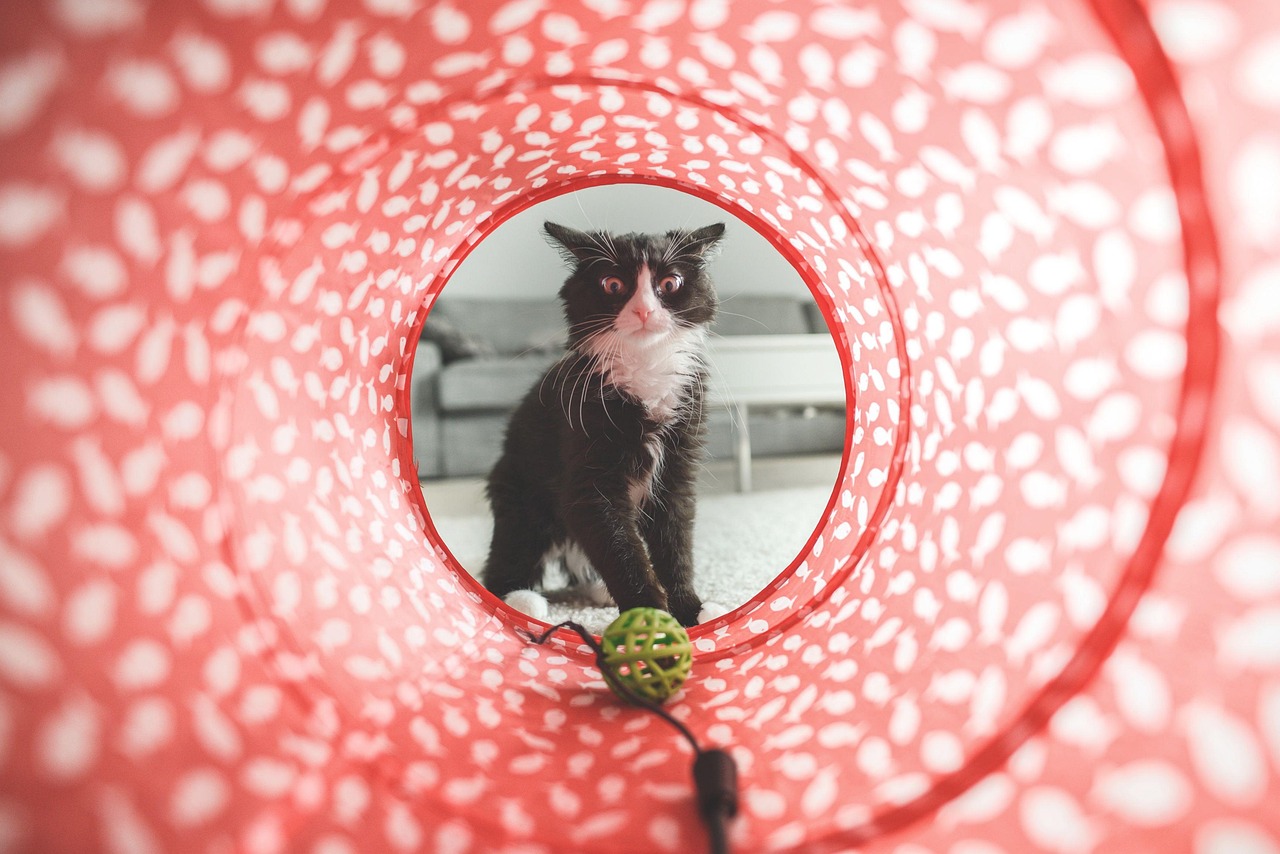
Selecting the appropriate toy is crucial for effective cat training. Not every toy motivates every cat equally. To begin with, observe your cat’s reactions to different toys and activities. Some cats might chase moving objects, while others prefer stationary ones. For instance, for highly energetic cats, toys like laser pointers or Da Bird can provide excellent exercise along with training. Conversely, quieter cats may benefit from interactive toys that stimulate their mental faculties while also keeping them entertained. Observe their play styles and adapt your approach to enhance training efficacy. Moreover, consider the size and safety of the toys. Ensure they’re well-made and don’t have small parts that could be ingested. Interactive toys that dispense treats can simultaneously encourage play and reward desired behaviors. You should also introduce DIY toys from household items, which can be just as effective and fun. Making it a game encourages your cat to participate fully. Whichever toys you choose, ensure that they engage your cat adequately and fit their personality. Remember, a happy cat is a trainable cat, promoting a much more enjoyable and productive training experience for both of you.
Incorporating toy-based training techniques can dramatically enhance your cat’s learning experience. One effective method is pairing treats with toy play. For example, when a cat successfully performs a command, immediately reward them with their favorite toy or a treat. This reinforces the desired behavior, effectively linking successful actions with positive outcomes. Gradually, your cat will begin to respond more readily to commands, knowing that a fun play session awaits them. Consistency is key, so ensure regular training sessions that incorporate toys to boost your pet’s motivation. Furthermore, setting aside specific playtime dedicated to training can enhance focus and understanding. In addition, vary the games to cover different skills, such as agility with jumping toys, or problem-solving with treat dispensers. Engaging your cat’s mind is just as important as physical training. This diversified approach leads to a well-rounded cat that exhibits good behavior both indoors and outdoors. Establishing a strong training routine will create a positive environment where learning is fun. Your cat will start to exhibit better behaviors, thanks to this playful yet structured training method. Remember, the more they play, the better they learn and adapt to commands.
The Importance of Interactive Play
Interactive play is essential for successful cat training, promoting not just physical engagement but mental stimulation too. When cats engage actively, they are developing crucial skills and building confidence. Toys that require response and thinking can enhance their problem-solving abilities. For instance, toys like feather wands or laser pointers encourage cats to chase, enhancing their agility and encouraging natural instincts. By involving yourself in the play process, you create a stronger bond and promote positive interactions. Moreover, interactive sessions can help mitigate behavioral issues due to pent-up energy caused by boredom or lack of stimulation. Setting aside a specific time on a daily basis for interactive play helps establish a routine, ensuring your cat anticipates these productive sessions. Consistency in interaction rooted in playful challenges propels your cat’s learning capacity. Additionally, remember to observe your cat as you play to tailor the experience according to their likes. Additionally, completing training with a fun play session positively reinforces their learning. Through regular interactive play, not only will your cat develop its training skills, but you’ll also foster a loving relationship that enhances the overall training process.
Sometimes, the right approach can maximize the effectiveness of toy-based cat training. Encouraging independence during play can be beneficial. Try introducing self-play toys, such as scratching posts equipped with dangling items or automatic laser toys. These not only entertain but also allow your cat to explore their environment in a safe manner. Cats naturally exhibit curiosity; toys that encourage exploration can lead to learning and confidence. Furthermore, balancing guided play and independent exploration can create an enriching environment conducive to learning. Interactive toys can also serve as rewards when well-used, reinforcing desired behaviors in your cat. For cases where you need to redirect behavioral issues, using toys strategically can distract the cat while teaching them better habits. Training devices like clickers coupled with toy offerings can significantly enhance the learning curve, benefiting you and your cat. Silly games and unconventional toys can simplify challenging tasks during training sessions. It shows your pet that learning is always lively and fun-filled, allowing them to associate commands with enjoyable experiences. The surrounding atmosphere and the selection of toys should accommodate a playful atmosphere to promote a well-rounded training experience.
Conclusion: Building a Strong Training Foundation
Building a strong training foundation for your cat with toys is key for overall development. Observing your cat’s personality and responses to different toys is the first step. Consider integrating learning objectives with each play session to deliver clear signals to your cat about desirable behaviors. The playful context not only makes the training enjoyable but also contributes significantly to their understanding and retention of commands. Toys serve as necessary tools that can bridge the gap between play and training effectively. Varying the types of toys used encourages diverse learning experiences and keeps your cat engaged over time. Moreover, incorporating positive reinforcements, such as treats or affection, solidifies their understanding of correct behaviors. Consistent practice will not only lead to improvements in behavior but also foster a strong bond between you and your cat. Remember to celebrate small victories along the way to encourage further learning. Creating a joyful training environment ensures enjoyable sessions for both you and your pet. Ultimately, integrating toys effectively in cat training nurtures better behaviors while enhancing playtime, creating a fulfilling routine for a happy, well-adjusted feline companion.
The role of toys in cat training cannot be overstated, as they not only facilitate learning but also create opportunities for bonding and fun. Cats are playful creatures; thus, involving toys in their training can transform the monotony of learning into an engaging experience. Starting with simple training exercises and pairing them with toy play can help build trust and confidence in your training activities. The joy of playing can naturally lead to better responsiveness in your cats. Make sure to recognize and adapt to their specific preferences and adjust your training accordingly for the best results. Maintaining a diverse toy collection with an array of textures, sounds, and functionalities can keep your cat intrigued and constantly ready for play, which enhances their path to learn commands. Identifying which types of play ignite their enthusiasm is crucial. Additionally, continue to educate yourself on new toys and training methods, as the world of cat care is ever-evolving. Embracing the playful element of training using toys will lead to rewarding experiences for you and your beloved feline. Consistent action and commitment can bring lasting behavioral changes to ensure the best quality of life for your cat.
Additional Resources and Tips
Furthering your cat’s training journey can benefit from various resources available online and offline. Websites and cat training forums are excellent for obtaining tips from experienced cat owners and trainers. Consider exploring instructional videos that provide visual insights into effective methods of toy-based training, allowing you to see recommendations in action. Books that specialize in cat behavior can offer deeper understanding and broaden your approach to training effectively. If needed, consult with a professional trainer who can provide personalized guidance. Furthermore, participating in local cat shows or workshops can offer hands-on learning and demonstration opportunities. These experiences can help solidify your knowledge, highlight unique techniques, and enhance your training sessions. Being part of a community of cat lovers can lead to shared experiences and a wealth of tips that can improve your training strategy. Networking with others elevates your understanding of what works best for different cats. Embracing these additional resources while maintaining engagement during play sessions will help you build a more successful training framework for your furry friend. Always be patient and encouraging throughout the journey, as training takes time and dedication.