
Vitamin K and Bone Health in Cats
Vitamin K plays a crucial role in maintaining feline bone health. This vitamin is essential for the synthesis of various proteins that regulate blood coagulation and are also influential in the metabolism of calcium. Cats require an appropriate level of Vitamin K to ensure optimal function of bone-forming cells known as osteoblasts. Without it, there is a risk of calcium being improperly utilized, leading to weaker bones or even osteoporosis. Additionally, Vitamin K supports the maintenance of bone density and strength, which is vital for older cats or those at risk of fractures. Incorporating Vitamin K through dietary sources can help alleviate some of these risks, promoting healthier skeletal structures. Foods containing Vitamin K, such as leafy greens, liver, and fish, can be integrated into a balanced diet. Regular vet check-ups can identify potential deficiencies early, allowing for timely dietary adjustments. Consequently, ensuring that a cat receives adequate amounts of Vitamin K can substantially benefit their overall bone health and quality of life.”}},{
Bone health is particularly important in growing kittens and aging cats. Kittens require adequate nutrition, including Vitamin K, to support their rapid development and bone formation during their early life stages. Insufficient Vitamin K may lead to growth abnormalities and increase susceptibility to fractures as kittens engage in playful activities. In contrast, senior cats experience diminished calcium absorption due to age, making it even more crucial to maintain an optimal level of Vitamin K in their diets. As cats age, they may lose bone density, increasing fracture risks, so proactive dietary planning is essential. Incorporating Vitamin K-rich food can help mitigate those risks significantly. Additionally, supplements may be prescribed by veterinarians to ensure that cats are getting the necessary nutrients. Maintaining bone density is not just a health matter but also a quality-of-life issue for senior cats, ensuring that they can engage in their normal activities without pain or fuss. Owners should recognize the signs of bone health deterioration, to address these issues in a timely manner, consulting with their veterinarians for appropriate dietary or medical interventions.
The Importance of Vitamin K in Feline Diets
Dietary sources of Vitamin K are critical in ensuring cats receive adequate amounts. Commercial cat food is often fortified with essential nutrients, including Vitamin K. However, the amount may vary significantly depending on the brand and formulation. It is important for pet parents to read labels and choose high-quality foods. Some natural sources of Vitamin K include fish, liver, and green vegetables such as kale and spinach. While these are important additions, they should complement a well-rounded diet that provides all necessary vitamins and minerals. If a cat is eating homemade diets, it is essential to ensure the balance of nutrition, including Vitamin K supplementation, to avoid deficiencies. Consulting with a veterinarian prior to major dietary changes can help tailor food choices that meet a cat’s unique health needs. Moreover, monitoring any signs of lethargy or excessive bleeding can help assess if they are receiving enough Vitamin K. Regular blood tests are a practical way to ensure that a cat’s nutritional requirements are met adequately, particularly for those with pre-existing conditions or older felines.
Deficiency in Vitamin K can have severe implications for a cat’s overall health. Cats that do not get enough of this vital nutrient may face issues such as prolonged bleeding, weakened bones, and poor blood coagulation. The risks escalate significantly in situations like surgeries or trauma where blood clotting is essential. It is also important to note that certain medications can affect Vitamin K levels. For instance, anticoagulants can inhibit the body’s ability to utilize Vitamin K, necessitating a careful balance for cats on such medications. Additionally, liver disease or malabsorption disorders can impact Vitamin K levels, leading to potential health risks. Symptoms of Vitamin K deficiency may range from unusual bruising to more significant health issues like osteoporosis. Therefore, veterinarians may recommend regular blood work for at-risk cats, allowing for timely interventions if deficiencies are detected. Overall, ensuring proper Vitamin K intake is a preventive measure that proactive owners can take to safeguard their feline companions’ health, particularly as they age or manage chronic health issues.
Providing Supplementation for Cats
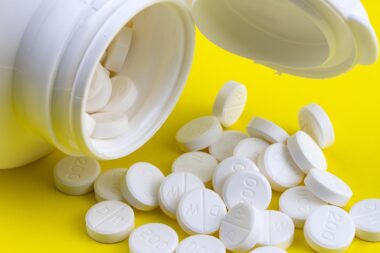
For owners concerned about their cat’s dietary intake, Vitamin K supplementation can be considered. Many premade supplements are available in various forms, such as chewables, powders, or liquids. It is essential for cat owners to consult their veterinarian before starting any supplementation, as the correct dosage is vital to achieving desired benefits without causing harm. While supplementation can help bridge dietary gaps, it should not be exclusively relied upon at the expense of a balanced diet. Ensuring that cats receive adequate Vitamin K through natural sources should be the primary focus. If a deficiency is detected, veterinarians may provide recommendations on suitable products that meet specific health needs. Additionally, monitoring a cat’s response to supplementation is crucial; some cats may experience gastrointestinal upset from certain formulations. Owners should track their cat’s overall demeanor, energy levels, and eating habits, reporting any adverse reactions or improvements to their vet. The goal is to enhance the cat’s overall well-being while ensuring the supplementation method aligns with their individual health profile.”},{
Furthermore, cat owners should be aware of the potential dangers of an overdose of Vitamin K. While it is relatively rare for healthy cats to experience toxicity from this vitamin, overdosing due to excessive supplementation can occur. Symptoms of overdose may include stomach upset, lethargy, and even more severe health issues. Therefore, adhering to vet recommendations regarding dosage and product selection is essential, ensuring the safety and well-being of the cat. For those considering alternative diets that may lack sufficient Vitamin K, dosage recommendations will vary based on the cat’s overall health and ensuring proper calcium absorption, particularly in growing kittens or senior cats at risk for fragility. Regular veterinary engagement and nutritional assessment allow owners to maintain a healthy balance in their cat’s diets without risking overdosing. It is essential to understand that Vitamin K is just one aspect of cat health; a holistic approach to nutrition, encompassing all vital nutrients, is critical for fostering a strong and resilient feline companion.
Conclusion: The Path to Optimal Feline Bone Health
In conclusion, Vitamin K is an essential component of cat nutrition, vital for maintaining bone health and overall vitality. Ensuring a balanced diet rich in Vitamin K can significantly contribute to preventing bone-related issues in both kittens and senior cats. As we have discussed, Vitamin K supports proper calcium utilization, playing a crucial role in maintaining bone density and strength. Owners should ensure their cats receive an appropriate balance of this vitamin through diet or supplementation, consulting with veterinarians for specific recommendations. Regular health check-ups can aid in early identification of deficiencies or related health issues. Moreover, understanding the various factors that influence Vitamin K needs, including age, health status, and dietary choices, can help owners make informed decisions about their cat’s nutrition. The proactive approach toward feline health, focusing on nutrition, hydration, and regular veterinary visits, can result in happier, healthier cats. Remember, this commitment to your cat’s dietary needs plays an invaluable role in their longevity and overall quality of life.
In summary, taking into account the importance of Vitamin K and its influence on feline bone health is essential for all cat owners. Awareness of dietary needs, being proactive with nutrition, and ensuring a well-rounded approach can significantly boost your feline’s quality of life. The relationship between Vitamin K intake and skeletal health cannot be understated. For optimal bone and overall health, ensure you provide quality nutrition that accounts for your cat’s individual needs and consult with your veterinarian regularly. Understanding this aspect of feline nutrition helps owners create a supportive environment that promotes health and longevity. Cats, much like humans, benefit from a holistic approach to their health, and that includes careful consideration of vitamins like Vitamin K. Encourage healthy eating habits and monitor any changes in behavior or health. By capitalizing on this knowledge, you can foster a prosperous life for your feline companion, allowing for many happy years together.