
Common Socialization Challenges When Preparing Dogs for Agility
Dog socialization for agility training can be a rewarding yet challenging endeavor. Many dogs face socialization issues that can hinder their performance and enjoyment during training. One common challenge is fear of unfamiliar environments. Dogs might become anxious when faced with new obstacles or spaces, making it essential to gradually introduce them to a variety of locations and stimuli. To help mitigate anxiety, owners can utilize positive reinforcement methods to encourage brave behavior. Another challenge is aggression towards other dogs, which can manifest during group training sessions. Owners should monitor their dogs’ interactions, utilizing a controlled environment for gradual exposure. Fear-induced aggression can often stem from past negative experiences, so rebuilding trust and using gentle introductions are crucial steps. Additionally, distractions such as noise from agility equipment or other dogs may derail focus during practice. To combat this, handlers can work on desensitizing their dogs to various sounds and movements while using rewards to maintain attention. Hence, the path to successful agility training necessitates attention to these challenges, fostering a stronger bond between the handler and the dog while ensuring a fun training atmosphere.
Another common issue that arises in socializing dogs for agility training is lack of confidence. Some dogs may not believe in their abilities, leading to hesitation or refusal when faced with jumps, tunnels, or other obstacles. Building confidence requires patience and consistent practice. Trainers can encourage their dogs by progressively introducing more complex techniques after mastering easier tasks. It’s crucial to celebrate small victories to boost the dog’s self-esteem. Additionally, socialization with both humans and other animals is vital. Dogs that lack early social experiences may become overly excited or withdrawn in new scenarios. Intentionally arranging playdates with other stable dogs can help. These environments should be relaxed, focused, and positive, allowing the dog to explore interactions calmly. Another challenge could be owner anxiety projecting onto the dog. If a handler is nervous or unsure, the dog may sense this unease and react negatively. Handlers should work on managing personal anxiety through training techniques and understanding their dog’s body language. Creating a supportive and stress-free environment can work wonders in overcoming these challenges to improve the agility training experience.
Overcoming Fear of Obstacles in Training
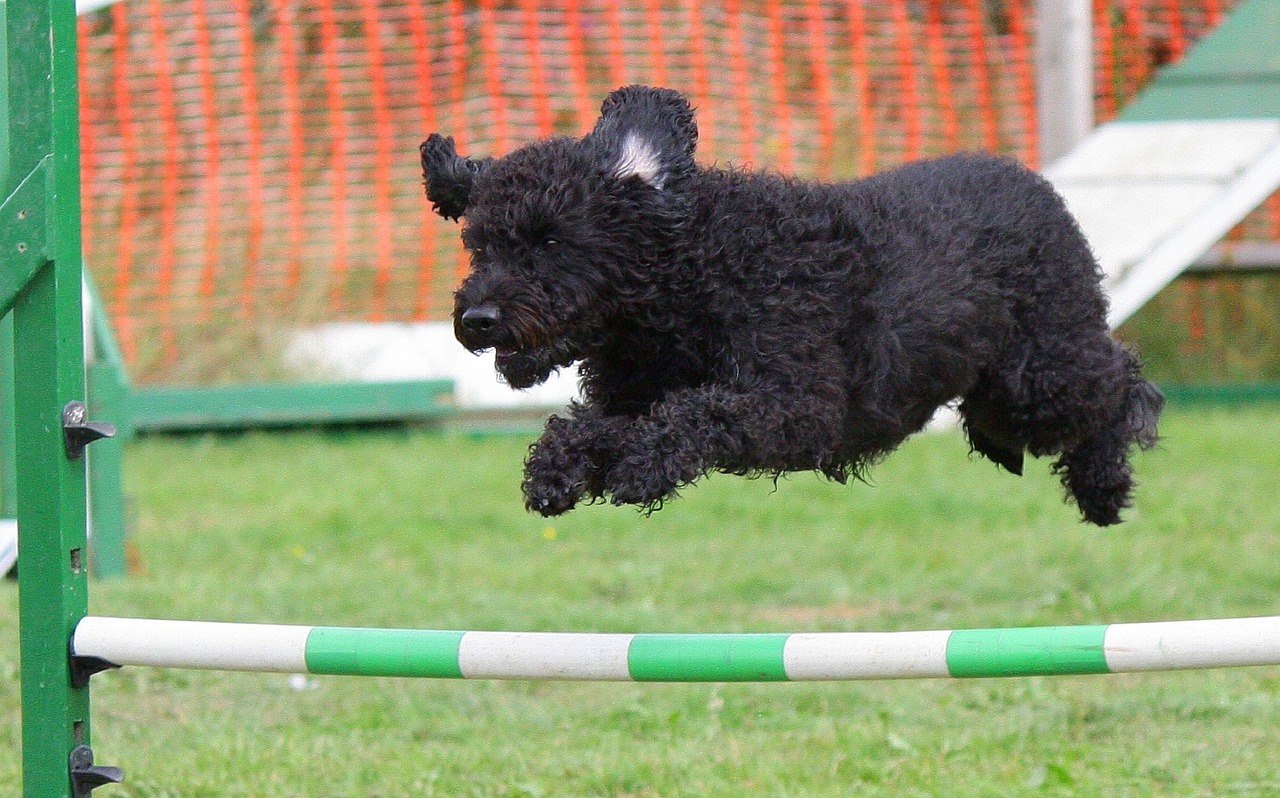
The fear of perceived obstacles is another significant barrier during socialization for agility training. For many dogs, certain agility equipment may appear intimidating, which can discourage them from completing tasks. Owners should approach this challenge with gentleness and patience. Gradual desensitization to each piece of equipment can help dogs become accustomed to it. For example, starting with basic jumps that are low to the ground can promote confidence. Once the dog is comfortable, gradually increasing the height can help them overcome their fears. Positive reinforcement through treats and praise can encourage positive associations with these obstacles. Another method is using familiar toys and favorite items to pique interest in engaging with the obstacles. Overcoming this fear not only helps with agility performance but also builds trust in the handler and environment. To facilitate a successful experience, it’s recommended to schedule regular socialization sessions focusing on one specific obstacle at a time. Allowing plenty of breaks between attempts can help maintain enthusiasm and prevent frustration. Ultimately, patience combined with consistent training approaches will pave the way for success.
Additionally, distractions during agility training sessions can greatly diminish a dog’s focus. Common distractions include other dogs, people, and environmental noises. Understanding how to manage these distractions is a crucial aspect of socializing dogs for agility training. One effective strategy is to conduct training in a controlled environment where distractions can be minimized. Gradually introducing controlled distractions, such as someone walking by or a toy rolling on the ground, can help dogs learn to concentrate despite external stimuli. Owners should also train their dogs to respond to commands and cues while distractions are present. This ensures they remain focused on tasks, even in busy environments. Establishing a consistent routine helps dogs know when it’s time to focus. Rewards or high-value treats can serve as excellent motivation to suppress distraction responses. Additionally, trainers can use agility equipment during play sessions to elevate excitement and keep the dog’s energy focused. The key is to strike a balance between recognizing when distractions impact performance and providing ample opportunities for practice in more challenging situations.
Understanding Body Language During Training
Another potential barrier in dog socialization for agility is the misinterpretation of body language. Dogs communicate through subtle signals that can indicate their comfort, stress, or willingness to engage. New trainers might overlook signs of anxiety or excitement. For instance, if a dog is rigid or has a lowered head, it may feel uncertain about the training session. Observing these behaviors allows handlers to tailor their approach accordingly. Building a solid understanding of dog body language is critical for improving communication. In situations where a dog feels overwhelmed, giving them space or time away from the equipment can relieve pressure. By fostering an awareness of their dog’s comfort level, owners can better predict behaviors during training. Moreover, trainers can positively reinforce confident body language, helping them feel at ease when approaching challenges. Encouraging self-assurance leads to enhanced performance in agility tasks. Overall, remaining attentive and responsive to each dog’s unique signals will not only facilitate effective training but also establish a trusting relationship.
Time management can present challenges during agility training for socialization. Each session should ideally strike a balance between practice and ample time to recuperate. Exhaustion can lead to frustration and reduced interest in the training process. Owners must establish structured training sessions that balance learning, play, and rest. A good strategy involves using short intervals for intensive practice mixed with longer breaks. It allows dogs to process what they learned while keeping their energy levels in check. Creating a consistent schedule can help dogs anticipate training times and prevent anxiety. Frequent, shorter sessions may yield better results than long, infrequent ones. Furthermore, incorporating fun activities during breaks can also help maintain enthusiasm. Physical and mental breaks allow dogs to recharge, making them more eager to engage in subsequent training. Along with rest, it’s crucial to adapt sessions based on the dog’s needs. Every dog has varying levels of stamina and focus; recognizing cues indicating when to end a session is key.
Conclusion and Future Considerations
In conclusion, addressing common socialization challenges is crucial for successfully preparing dogs for agility training. By understanding each dog’s unique struggles, handlers can implement effective tactics to promote growth and confidence. It is important to focus on gradual exposure to new environments and stimuli while reinforcing positive interactions. As the dog becomes more comfortable with agility equipment and social situations through consistent practice, the bond between the handler and dog strengthens significantly. This partnership unlocks their full potential in agility while ensuring their well-being. Handlers should remain alert to distractions, body language, and the importance of time management. Training strategies should evolve with the dog’s progress over time, adapting to meet emerging challenges. Ultimately, patience, understanding, and a positive approach are essential for overcoming these hurdles. As both handler and dog grow in their agility journey, they will likely develop a greater appreciation for each other’s strengths. Setting realistic goals and celebrating small achievements can make all the difference in fostering a positive agility training experience.
Recognizing the journey of socializing dogs for agility is as important as the destination. Building a well-rounded dog equipped for agility training requires consistent effort. In the long run, the benefits of a well-socialized and confident agility dog will show in refined skills and a joyful spirit during training. Striving to understand each dog’s specific needs and recognizing the various hurdles that arise will foster not only better performance but also a fulfilling partnership. Aspiring to create a supportive environment enhances both the dog’s experience and the owner’s understanding of effective training methods. By embracing the power of socialization, owners and their dogs can discover new heights in agility achievement.