
How Environmental Factors Affect Dog Motion Sickness and Anxiety
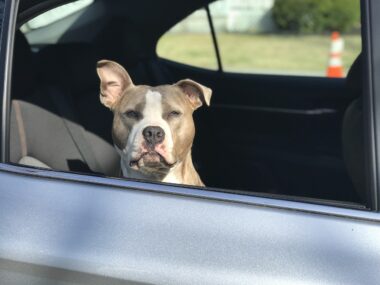
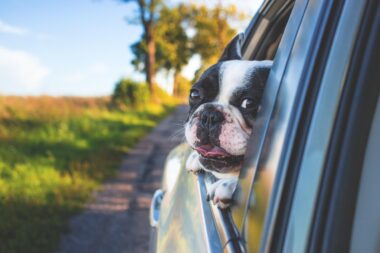
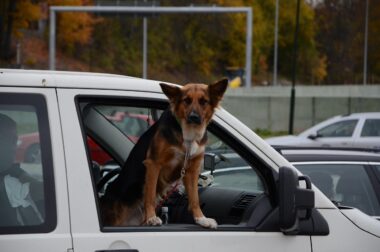
Many dog owners are often perplexed by their pets’ behavior during travel. Car anxiety and motion sickness are common issues that affect numerous dogs. Distinction between motion sickness and anxiety is crucial to address the problem effectively. While motion sickness often arises from inner ear disturbances, anxiety stems from behavioral patterns. Environmental factors play a significant role in exacerbating these conditions in dogs. Stressful sounds, unfamiliar scents, and visual stimuli can all influence a dog’s stress response during travel. Understanding how environmental elements like weather changes, bustling urban environments, or even the car’s interior can impact a dog’s well-being is crucial. Similarly, prior experiences can also affect a dog’s behavior. For instance, an adverse experience in the car could lead to future anxiety. Owners must also consider how their demeanor can influence their dog’s feelings. Calm and collected behavior from the owner often leads to a more relaxed dog. Additionally, transparency in recognizing signs of stress, such as excessive panting or whining, is essential. A proactive approach is vital to minimize the negative impact of travel experiences on dogs.
Owners frequently report that their dog displays signs of anxiety in the car, which can make travel stressful for both parties involved. Understanding these anxiety behaviors can help mitigate the issue. For example, pacing, whining, and panting indicate that the dog may be feeling uncomfortable in the environment. Identifying these signs early allows owners to adapt their approach to traveling with their pets. Behavioral modifications and counter-conditioning techniques can help alleviate car anxiety. Owners can start by allowing their dogs to explore the vehicle while it is stationary. Gradual acclimatization helps associate positive feelings with the travel environment. In addition, incorporating calming aids such as anxiety wraps or pheromone diffusers can also support a dog’s relaxation during travel. Owners might also consider taking shorter trips initially to gauge their dog’s response before embarking on longer journeys. Investing time in creating a positive car environment is essential. Providing a comfortable space with their favorite blanket or toys can make a considerable difference. Regular trips to fun destinations further reinforce a positive connection with travel for dogs, allowing for a rewarding experience.
Understanding Motion Sickness in Dogs
Motion sickness in dogs can manifest in various ways, often leading to vomiting or excessive drooling. Understanding the root causes is essential for effective management. Much like humans, dogs experience disturbances in their inner ear that contribute to motion-related discomfort. Some breeds are more prone to motion sickness, especially younger dogs who have not developed adequate balance mechanisms yet. Factors like a dog’s age, specific breed characteristics, and past travel experiences contribute significantly to the likelihood of developing motion sickness. By recognizing these predispositions, owners can be better equipped to manage the situation. While some dogs may outgrow motion sickness over time, others may require interventions to alleviate symptoms. Techniques such as adjusting the dog’s position in the car, practicing gradual acclimatization to traveling, and even consulting veterinarians about potential medications can be beneficial strategies. All these adjustments aim to help dogs feel more secure and balanced while on the move. Owners should monitor their dog’s behavior closely during travel and consult professionals when necessary to adapt approaches to suit their specific needs.
Environmental conditions can significantly affect how a dog experiences motion sickness. For instance, weather changes or temperature fluctuations can alter how a dog feels in the car. When a dog is uncomfortable due to environmental factors such as heat or humidity, it may exacerbate feelings of nausea or anxiety. In addition, the texture of the vehicle’s upholstery and overall comfort can play an integral role in a dog’s travel experience. A dog may associate discomfort in the car with negative travel experiences, leading to learned behavior that reinforces anxiety. Furthermore, trying to maintain a calm atmosphere can help to minimize motion sickness. Playing soothing music or keeping the windows slightly open for fresh air can create a more relaxing environment. Positive reinforcement through treats or praise when the dog remains calm can also help reduce anxiety levels. Owners should be vigilant in establishing the right conditions for their dogs between departures. All these factors remind us of how much control we have over ensuring a more pleasant traveling experience for our furry companions.
Addressing Car Anxiety with Environmental Adjustments
Addressing car anxiety often requires thoughtful adjustments in the dog’s environment. One effective method is to enhance the car’s interior environment to be inviting and comforting. Familiar items such as blankets, beddings, or toys usually help dogs feel more at home in the car, reducing anxiety. Furthermore, adjusting the dog’s position within the vehicle can also have a noticeable impact. For instance, having them near the driver or in a designated space where they feel safe can help calm their nerves. It is vital to monitor how these changes influence their behavior. Consistency is also paramount; maintaining a routine where the environment remains stable during travel can help reduce anxiety over time. Encouraging positive experiences in various environments can reshape an anxious dog’s perception of travel. Short, enjoyable outings can help build positive associations. Gradually, these experiences can create a pattern of comfort. As dogs learn to expect enjoyable trips, their anxiety can diminish significantly. Owners should celebrate small victories over anxiety to reinforce good behavior as they progress towards more extensive traveling.
Moreover, regular exposure to car rides combined with positive reinforcement can lead to lasting improvements in a dog’s travel experience. Conditioning begins with short, non-threatening journeys; these should be followed by engaging activities like park visits or outings. Associating travel with enjoyable experiences lays a foundation for reducing anxiety and discomfort over time. However, considering factors related to the environment remains essential. Keeping the car well-ventilated and ensuring that temperature is comfortable significantly influences your dog’s well-being during travel. Always check that your dog is securely restrained, as safety minimizes anxiety and enhances comfort; crates or harnesses provide security during rides. Additionally, adjusting the vehicle’s seating position might also help lower anxiety levels for some dogs. Observing the dog’s body language, such as relaxed posture or calming signals, provides meaningful insights into their comfort levels. It’s crucial to recognize that each dog is unique, and what works for one may not be effective for others. Adapting approaches to individual dog traits and preferences enables owners to create tailored environments conducive to stress-free travel.
Conclusion: Ensuring a Safe and Comfortable Travel Experience
In conclusion, understanding the various factors that influence dog motion sickness and anxiety is essential for effective management. Owners must remain proactive in addressing environmental aspects that contribute to stress and discomfort. Key strategies include creating a welcoming car environment, reinforcing positive associations with travel, and recognizing individual variations in dog behavior. Implementing gradual exposure, incorporating comfort items, and establishing routines are practical steps toward alleviating these issues. Continuous observation of a dog’s reactions, along with the willingness to modify approaches, ensures a tailored experience that aligns with the dog’s needs. Overall, being an informed and attentive owner can significantly enhance a dog’s travel experience. By prioritizing their comfort and well-being during car rides, owners foster good behavior and a positive outlook on traveling. Remember that every dog is different; what helps one dog may not work for another. Flexibility and understanding play significant roles in this journey. With time, patience, and the right techniques in place, dogs can enjoy stress-free car adventures, resulting in joyful memories for both the dog and its human companions.
In conclusion, understanding the various factors that influence dog motion sickness and anxiety is essential for effective management. Owners must remain proactive in addressing environmental aspects that contribute to stress and discomfort. Key strategies include creating a welcoming car environment, reinforcing positive associations with travel, and recognizing individual variations in dog behavior. Implementing gradual exposure, incorporating comfort items, and establishing routines are practical steps toward alleviating these issues. Continuous observation of a dog’s reactions, along with the willingness to modify approaches, ensures a tailored experience that aligns with the dog’s needs. Overall, being an informed and attentive owner can significantly enhance a dog’s travel experience. By prioritizing their comfort and well-being during car rides, owners foster good behavior and a positive outlook on traveling. Remember that every dog is different; what helps one dog may not work for another. Flexibility and understanding play significant roles in this journey. With time, patience, and the right techniques in place, dogs can enjoy stress-free car adventures, resulting in joyful memories for both the dog and its human companions.