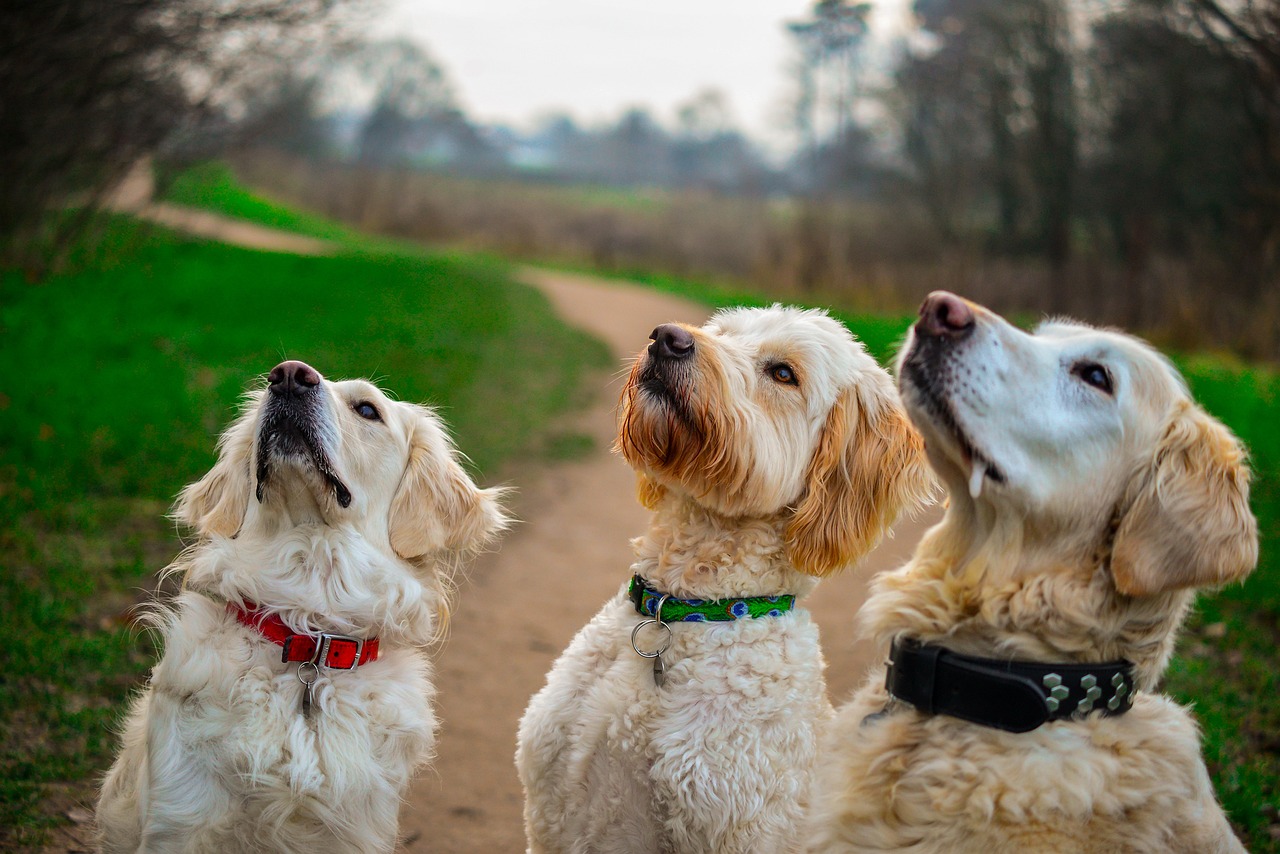

How to Use Treats to Train Your Dog to Sit Quickly
Training your dog to sit is one of the essential commands. This skill sets the foundation for more advanced obedience. Using treats can significantly speed up this process. Start by choosing the right treats; they should be small, tasty, and easy to chew. Ideally, you want a treat that your dog loves. This will motivate them and keep their interest. Begin by holding the treat above their nose and slowly raising it towards their head and back. As your dog looks up to follow the treat, their back end will naturally lower to the ground. The moment they sit, shower them with praise and give them the treat. Consistency is key, so make sure to practice this daily. Repeat this process multiple times a day in short sessions. It’s crucial to avoid overwhelming your dog; short practices yield better results. This positive reinforcement method fosters a solid training bond between you and your canine. Over time, your dog will associate the sit command with the treat, leading to quicker responses. Always be patient, and ensure your dog enjoys the learning process as much as you enjoy teaching.
After successfully getting your dog to sit, the next step is to gradually phase out the treats. You want your dog to follow commands without relying solely on treats for motivation. Begin this process by varying the rewards; sometimes offer treats, while at other times, give verbal praise or petting. This helps your dog understand that following the commands is what’s truly important. Another method is to use high-value treats initially, then slowly transition to lower-value rewards like kibble. This ensures that as your dog progresses, they still receive encouragement for their good behavior. Beyond the treats, your tone of voice and body language play a vital role during training. Use a calm and authoritative tone while giving commands. Body language should align with your words, as dogs are highly sensitive to human cues. Create a comfortable training environment free from distractions; this helps your dog focus on the command at hand. As your dog becomes consistent with the sit command, you can introduce distractions gradually. This further helps solidify their response to the sit command, making sure they listen in any situation.
Using the Clicker Method
The clicker method is another effective way to train your dog to sit while using treats. This method involves a clicker, a small handheld device that makes a sound when pressed. When your dog sits, click the device immediately followed by a treat. This creates a clear association between the action and the reward. Start with the same process as before, holding a treat and guiding your dog into a sitting position. As soon as they sit, click the clicker, and provide them with the treat. Over time, your dog will learn that the click sound means they’ve done something well, eagerly awaiting their treat. It’s important to have a steady rhythm in using the clicker; don’t click without giving a treat. The click indicates to your dog that they did the right thing at that moment. Repeat your training sessions in short intervals. Consistent practice leads to quicker results. Eventually, as your dog becomes accustomed to the clicker, you can phase it out, only using it occasionally for reinforcement. Remember, each training session should always end on a positive note to keep your dog excited for future commands.
Time and patience are critical in training your dog, especially with the sit command. Every dog learns at their own pace, so it’s essential to adjust your approach based on their reactions. If a dog seems frustrated or confused, take a step back to simplify the process. You can also make training sessions more engaging by incorporating play, breaking the monotony of practice. Short, fun sessions keep your dog eager and ready for learning. Also, consider the time of day; some dogs are more attentive in the morning after resting. Others may perform better later in the day after some playtime. Observe your dog’s energy levels and adjust your training schedule accordingly. Consistency in training is crucial, but being versatile in training times can provide you with remarkable results. When your dog seems to excel at obeying the sit command, start adding duration. Ask them to hold the sit position for longer periods before rewarding them. This builds their patience and overall obedience. Gradually increase both duration and distractions over time, keeping training progressive and effective to maintain engagement and enthusiasm.
Common Mistakes to Avoid
While training your dog, there are common mistakes to avoid for success. One of the biggest pitfalls is rushing the training process. Every dog learns differently, and you must respect their pace. Skipping steps can lead to confusion and inconsistency, so ensure you lay a solid foundation first. Another common mistake is using the wrong timing with treats. Deliver the reward too late, and your dog won’t associate the treat with the behavior. Always reward immediately when the desired action occurs. Also, avoid overusing your dog’s name while giving commands; it can confuse them if done excessively. Using a clear, firm command like “sit” is sufficient. Failing to practice in different environments is also a mistake. Training should extend beyond your home to ensure your dog listens in various situations. Lastly, being inconsistent with commands or rewards can confuse your dog, so try to maintain a consistent routine. These errors can hinder your dog’s training. Every dog has potential, and correcting these mistakes can propel your training sessions towards success.
Celebrating small victories during the training process is essential to keep motivation high. Recognize when your dog achieves even minor milestones and reward them with extra excitement. This positive reinforcement encourages them to perform better in the future. Unique rewards such as an exciting game of fetch or a fun walk can also motivate your pet beyond just treats. Always remember that your dog’s emotional well-being is paramount. If they make mistakes, be patient and take time to adjust your methods previously discussed. Rest periods between training sessions are equally crucial for keeping your dog’s mind and body refreshed. Pushing too hard and too fast can lead to burnout or disinterest. Additionally, incorporate training into your daily routine. Commands like “sit” can be requested before meal times, during walks, or even before play. This not only reinforces the command but makes training feel less like a chore. Further, consider involving family members to help with training sessions. This fosters a family bond with your dog while also providing varied interactions. Engaging consistently with your dog reinforces learning and strengthens your relationship.
Conclusion: With Patience and Practice
Using treats effectively to train your dog to sit can create a strong base for further obedience training. Consistency, patience, and positive reinforcement make achieving results even faster. Remember to observe your dog during each session, allowing them to dictate the pace of training. By ensuring each session is fun and engaging, your dog will learn quickly while enjoying the experience. Adjust your methods as needed while maintaining a routine that fits both your schedule and your dog’s energy levels. The clicker method can add excitement to the training and reinforce behavior. Celebrate every accomplishment, no matter how small, as it maintains motivation. The bond you build during training is invaluable; you’ll find that your communication with your dog improves over time. Incorporating a variety of environments during training sessions will strengthen your dog’s ability to listen in any context. Remember, training is a lifelong process, one that builds camaraderie and trust. With steadfast dedication, you will witness your furry friend blossoming into an obedient and well-trained companion over time. Enjoy the journey together and relish those bonding moments you create.
As you embark on this training journey, remember that each dog is unique. Furthermore, keep your training sessions light-hearted and enjoyable. Celebrate every successful sit with affection or enthusiasm. Regularly practicing the sit command enhances focus and attention. Many resources are available for dog owners to improve their techniques; consider consulting with professionals if needed. Training should never feel like a daunting task. With love and patience, you’ll witness progress, which reinforces your relationship. Each day will bring growth, learning opportunities, and, most importantly, joyful companionship as your dog learns new commands. Progress may vary, yet every small step counts. If you face challenges, do not hesitate to adjust your approach. Create an engaging atmosphere and watch as your dog understands and responds to the sit command over time. Teaching your dog to sit not only gives them a command to follow but also instills discipline and focus. Enjoy this process of strengthening your bond with your dog, knowing that every effort you make contributes to their well-being and happiness. Consistent training ultimately leads to a well-mannered and responsive pet. Happy training!