
Hydration and Senior Cat Health: Dietary Strategies
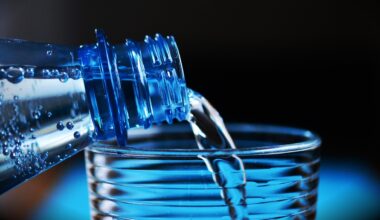
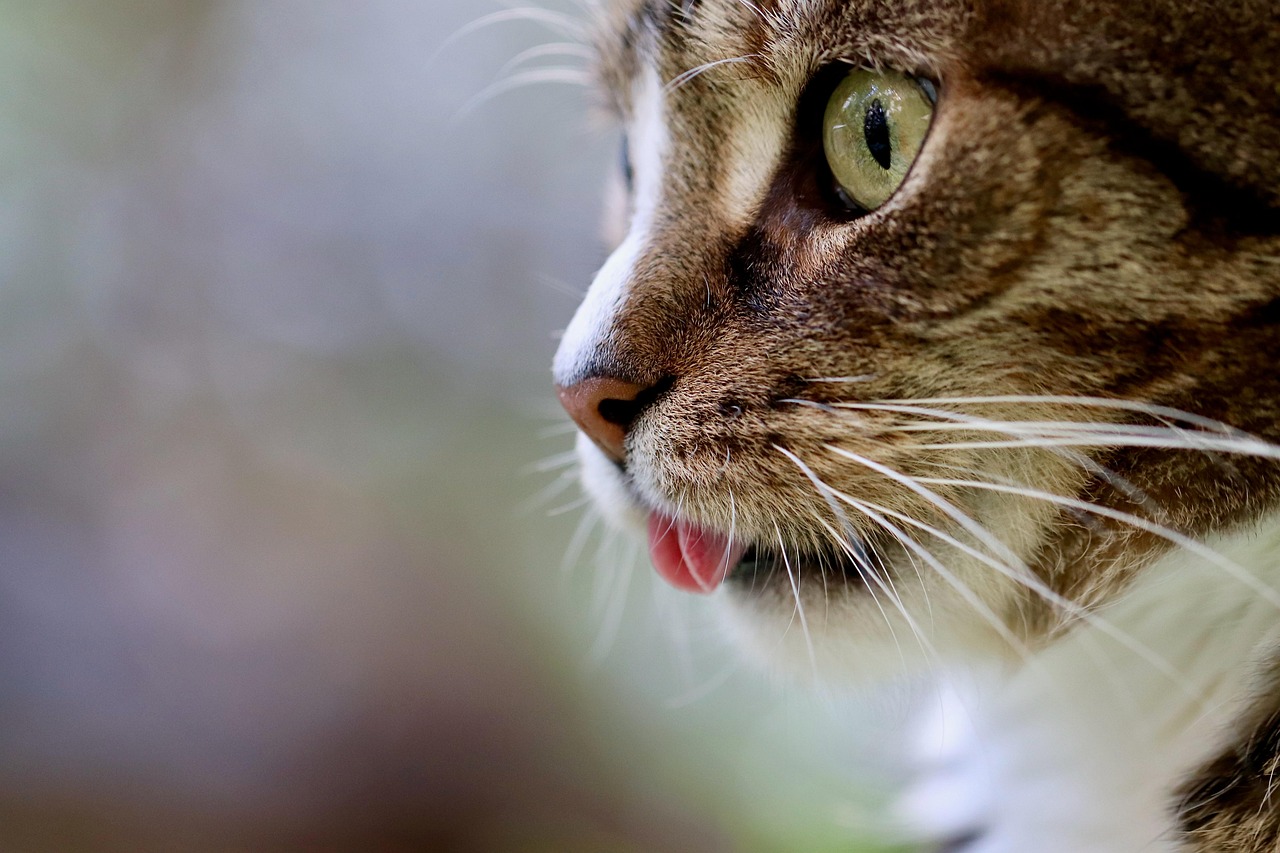
The significance of hydration in senior cat health cannot be overstated. Older cats may be less inclined to drink sufficient water, leading to dehydration and its many associated health concerns. It is vital to monitor water intake regularly, as dehydration can exacerbate kidney problems and other diseases common in senior felines. Providing fresh, clean water is essential, and cat owners should place water bowls in various locations throughout the home. Cats, especially seniors, often prefer running water, making pet water fountains an excellent option for maintaining hydration. Additionally, incorporating moisture-rich wet food into their diet can increase their overall water consumption. This can alleviate some dehydration risks that seniors face while also providing necessary nutrients. Consider transitioning to wet foods if your senior cat is resistant to drinking more water independently. Moreover, adding tasty, hydrating treats to their diet can make hydration more appealing and enjoyable, supporting their health. Finally, understanding your senior cat’s specific hydration needs can significantly contribute to their quality of life and health longevity. Regular veterinary check-ups can also help tailor their hydration strategies appropriately.
Understanding Senior Cat Nutritional Needs
As cats mature into their senior years, their nutritional needs evolve significantly, making it essential to adapt their diets accordingly. Senior cats often face various health challenges, including decreased metabolism, dental issues, and diminished appetite. Therefore, it becomes crucial to provide food tailored to their specific needs. High-quality protein is essential, but the protein should be easy to digest and sourced from reputable providers. This helps maintain muscle mass while supporting their overall wellness. Additionally, senior cats benefit from diets lower in calories but rich in essential nutrients. Consider adding fibers to support digestion, as some senior cats may experience gastrointestinal issues. Omega-3 and Omega-6 fatty acids can support joint health and mobility, alleviating discomfort and stiffness. Moreover, incorporating joint supplements like glucosamine can further aid in maintaining their mobility. Consulting with a veterinarian about specific dietary needs is vital before making significant changes to avoid unnecessary health risks. Monitoring body weight is another crucial aspect as fluctuations may indicate underlying health dilemmas that need addressing. A proper diet tailored to senior needs can enhance the quality of their golden years significantly.
The Role of Water in Digestion
Water plays a critical role in maintaining a healthy digestive system in senior cats. Adequate hydration supports nutrient absorption and the efficient functioning of gastrointestinal organs. As cats age, the effectiveness of their gastrointestinal system can decline, leading to issues such as constipation or bloating. Ensuring that senior cats are getting enough water daily helps mitigate these complications. When hydrated, food moves through the digestive tract more smoothly, promoting regular bowel movements and reducing discomfort. Older cats might hesitate to drink water, making it necessary for owners to find creative ways to enhance their fluid intake. Mixing water into dry food or forming homemade broths can make a significant difference. Furthermore, hydration aids in ensuring that waste is effectively removed from the body, reducing the risk of kidney-related complications that are common in older felines. Encouraging hydration will not only boost their digestion but also support overall health and energy levels, allowing senior cats to maintain a more active lifestyle. Pet owners should stay attentive to any signs of digestive distress, as these can indicate potential underlying health issues needing thorough veterinary assessments and interventions.
Signs of Dehydration in Senior Cats
Recognizing signs of dehydration in senior cats is essential for their health and safety. Cats are known for hiding their discomfort, making it imperative for owners to be observant and proactive. Common indicators include lethargy, dry gums, and loss of skin elasticity. To assess hydration, gently pinch the skin on the back of their neck; if it takes longer to return to its original position, it may be a sign of dehydration. Additionally, monitor their drinking habits; a sudden decrease in water consumption or skipped meals can signal potential health issues. Senior cats may also experience changes in urine concentration and frequency, indicating that they could be dehydrated. To minimize risks, provide fresh water consistently and maintain various drinking stations around the home. Consulting with a veterinarian is vital if any concerning signs arise, as early detection can prevent severe consequences. Analyzing dietary versus hydration habits can also significantly contribute to enhancing overall health. Regular wellness check-ups for senior cats can provide essential insights into their hydration levels and prompt necessary diet adjustments, supporting longevity and quality of life.
Wet Food vs. Dry Food for Seniors
When considering dietary options for senior cats, wet food has several distinct advantages over dry food, particularly regarding hydration. Wet food typically contains about 70-80% moisture, significantly assisting in meeting hydration needs. This becomes especially beneficial for seniors, who may be less inclined to drink water. Providing wet food can help counteract the risk of dehydration while ensuring they receive vital nutrients. Additionally, wet food can be easier for senior cats to chew and digest, making meals more appealing and comfortable. It’s also a great way to entice picky eaters, as various flavors and textures are available. However, dry food can serve as a supplemental part of their diet, benefiting dental health due to the crunchy texture. Therefore, consider incorporating both wet and dry food into the diet while monitoring individual preferences and health conditions. Balancing moisture intake with dietary preferences ensures that older felines remain hydrated and satisfied. Regular consultations with a veterinarian can help establish the best feeding strategies, considering the specific health needs and preferences of each senior cat. Adapting their diet as they age can significantly enhance their quality of life.
Hydration through Treats and Supplements
Offering hydrating treats can be an enjoyable way for senior cats to increase fluid intake and enhance their hydration levels. Many cat treats now come infused with ingredients that provide both hydration and nutrition. For instance, treats containing fish or chicken broth can entice even the pickiest eaters while delivering additional moisture into their diet. Additionally, consider providing freeze-dried or dehydrated meats as treats, as they often retain more nutrients than standard dry treats. It’s essential, however, to ensure that these treats do not contribute excessively to their caloric intake. Alongside treats, integrating hydration-focused supplements into their meals can be very beneficial. These supplements often contain additional electrolytes and can be mixed into food or water, enhancing their overall hydration status. Always introduce new treats or supplements gradually to minimize gastrointestinal upset and consult with a veterinarian to ensure they align with your senior cat’s dietary needs. Establishing a routine that includes a variety of hydrating options can significantly improve your cat’s health and vitality. Moreover, maintaining good hydration levels throughout the day can positively affect their activity levels and overall well-being.
Regular Veterinary Check-ups for Hydration Monitoring
Regular veterinary check-ups are pivotal in monitoring the hydration health of senior cats. Veterinarians can perform comprehensive assessments, including evaluating hydration levels, body weight, and overall health. These routine visits allow for early identification of any potential issues related to hydration or nutrition. A professional can provide tailored advice about dietary adjustments necessary for your older feline friend to optimize their hydration levels. Blood tests and urine analysis conducted by your veterinarian can give insights into your cat’s kidney function and hydration status, helping to ensure optimal care. Understanding individual hydration needs based on health conditions, such as diabetes or kidney disease, allows for a more customized approach to your senior cat’s diet. In addition to physical examinations, discussing any behavioral changes concerning eating or drinking during appointments is vital. A health-conscious owner who stays alert to their senior cat’s needs can make informed decisions and enhance their quality of life. Regular veterinary engagement provides peace of mind, knowing that your cat stays healthy and properly hydrated and helps maintain their energy and vitality into their golden years.
Conclusion: Prioritizing Hydration for Your Senior Cat
Understanding the critical role that hydration plays in the health of senior cats can make a significant difference in their quality of life. Pet owners should focus on ensuring that their feline companions receive adequate hydration through a balanced diet incorporating both wet and dry food options. Paying attention to their drinking habits and looking for signs of dehydration is crucial in addressing any health concerns early on. Additionally, offering hydrating treats or supplements can make a notable positive impact on their fluid intake. Regular veterinary check-ups will further enhance hydration management, providing necessary insights tailored to individual health needs. Emphasizing hydration by adopting diverse strategies can lead to improved energy levels and enhance the overall well-being of senior cats. Every proactive step taken towards maintaining proper hydration is a step towards ensuring a happier life for senior felines. Educating oneself on dietary considerations enables informed choices that prioritize hydration and nutrition, ultimately supporting longer and healthier lives for beloved companions. By instilling a variety of hydration practices, senior cats can navigate their aging process more comfortably and thrive in their golden years.