
Incorporating Soft Music to Help Injured Cats Relax
Creating a calm environment for injured cats is essential for their recovery. An effective method to achieve this is by using soft music. Research indicates that music can positively impact animal behavior, reducing stress and anxiety levels. Soft tunes, especially classical music, have a soothing effect, creating a peaceful atmosphere. This can be particularly beneficial in a stressful environment like a veterinary clinic. The sounds help mask harsh noises, making a cat feel safe. When introducing music, consider the cat’s preferences. Some may respond better to gentle melodies, while others might not show noticeable reactions. Experiment with various genres to identify what your cat enjoys. Moreover, maintaining a low volume is crucial for optimal results. Too loud can be counterproductive, increasing discomfort instead of alleviating it. Music can distract them from pain and fear associated with their injuries. Combine this with dim lighting and comfortable bedding to create an inviting space. A cozy environment promotes healing and relaxation. Always observe your cat’s behavior. Make adjustments as needed to ensure its surroundings remain supportive and comforting during recovery.
Additionally, the role of music in animal recovery goes beyond mere relaxation. The therapeutic benefits take several forms, including physiological responses. Studies have shown that when cats are exposed to calming music, their heart rates can lower significantly. This physiological change leads to overall stress reduction, promoting a sense of peace. Consequently, your cat might display more positive behaviors, such as eating and socializing. These are essential indicators of a healthy recovery process. Integrating soft music into your cat’s environment also encourages bonding. For instance, playing soothing tunes while spending time with your cat can strengthen your relationship. It creates shared experiences that enhance emotional well-being for both of you. Remember to observe how your cat interacts with the music. Some cats may choose to sit and listen, others may prefer to explore their surroundings. Knowing their individual behavior patterns can provide insights into their comfort levels. Additionally, consider other calming techniques such as essential oils. Always consult with your veterinarian before introducing new elements to ensure they are safe for your cat. Overall, creating a relaxing environment is about understanding your cat’s specific needs and adapting your approach for the best outcomes.
Understanding the Impact of Environment on Recovery
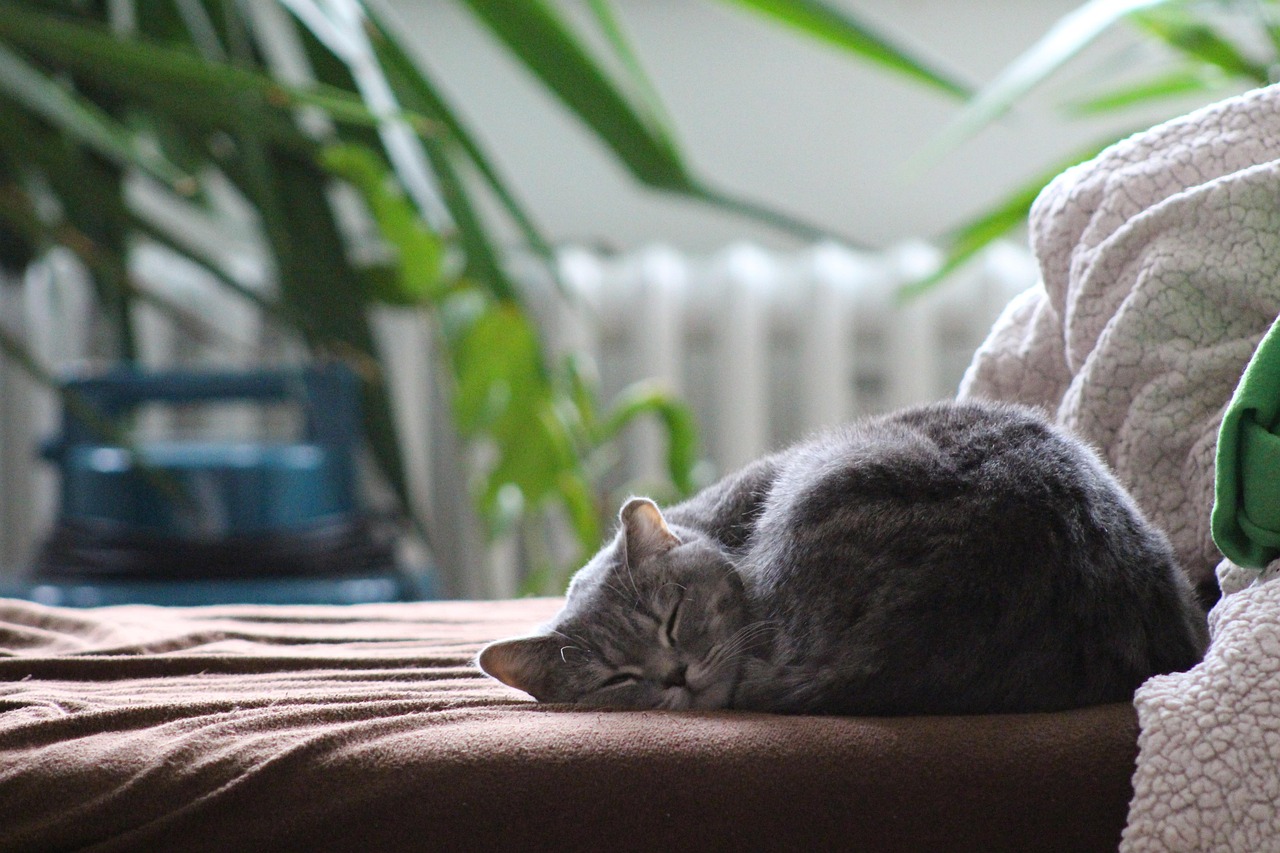
The environment significantly impacts an injured cat’s recovery process. Stressful surroundings can exacerbate pain, leading to longer healing times. Therefore, it is advantageous to create a safe haven that encourages calmness during recovery. Position your cat’s space away from high-traffic areas, unnecessary noise, or other pets which may induce stress. Soft music plays a vital role in this calming environment, acting as a barrier against surrounding commotion. Choosing the right playlist can make a significant difference. Cats are sensitive to sounds, which means harsh noises can scare them, resulting in anxiety. Consider using sound tracks designed specifically for cats; these often include frequencies that are soothing for their delicate ears. Before initiating this new environment, ensure to remove any potentially harmful items. Pet-safe plants can also add to the soothing ambiance while purifying the air. The correct combination of elements creates a sanctuary for your cat to relax and heal. Furthermore, utilize gentle scents like lavender or chamomile, which are known for their calming properties. Always observe your cat’s reactions and modify your setup as necessary, ensuring their recovery space is perfectly tailored just for them.
In addition to soft music, maintaining a routine is vital for your cat’s emotional stability. Cats are creatures of habit and thrive in predictable environments. Establishing a consistent schedule for feeding, playtime, and rest can enhance their sense of security. Introducing music into this routine can help signal designated times for relaxation. For instance, you can play soft tunes during nap times to reinforce the calming experience. It signals to your cat that it is time to unwind. Incorporating soft music into these daily routines creates a positive association, enhancing your cat’s relaxation during recovery phases. This can significantly influence their overall health and speed of recuperation. Encourage gentle interaction with careful handling to prevent discomfort. Utilize soothing words while engaging with your cat, complemented by music, to bolster reassurance. Over time, these experiences will promote trust between you and your pet. As a result, they more likely feel comfortable in their surroundings. Always be attentive to cues from your cat, modifying your methods as needed to ensure comfort. The combination of music, routine, and gentle handling ultimately lays the foundation for a successful recovery: a calm, healing environment.
Musical Choices for Your Cat’s Healing
When selecting soft music for your injured cat, pay attention to the type and style. Not all music has the same effect. Classical melodies are frequently praised for their structured harmonies and gentle rhythms, which can soothe an anxious feline. Alternative options include specially composed tracks for animals, focusing on frequencies and notes that appeal to cats. These tracks often feature sounds resembling the purring patterns or heartbeats of other felines, promoting a familiar and calming ambiance. Platforms like Spotify or YouTube have playlists dedicated to relaxation music for pets, making it easy to find appropriate selections. Furthermore, you might consider instrumental tracks rather than pieces with vocalization, as lyrics can distract rather than soothe. Observe how your cat responds to different music styles; preferences vary widely among individuals. Engage the process as an exploration; consider introducing new types of music over time to keep the atmosphere dynamically enriching. If your cat seems agitated, try switching to gentler melodies or even silence until they are more comfortable. The appropriate musical choice fosters an environment where your cat can rest, improving their chances of a quick recovery.
The volume of the music is just as crucial as the selection itself. Soft music should never be overwhelming; keeping it at a low volume ensures that it complements the soothing environment rather than disrupts it. Monitor your cat’s reactions closely while the music is playing. If they seem to show signs of distress or agitation, you may need to adjust the volume accordingly, or try different genres to see what resonates better with them. Opportunities for gentle interaction, such as petting or soft conversation while music plays, can contribute to a nurturing atmosphere, essential for relieving stress associated with injuries. Also, consider the time of day when playing music; certain tracks might be more beneficial during the evenings when your cat is winding down for rest. Developing a calming ritual involving music can be advantageous as it gives your cat something to anticipate. Ultimately, the goal is to create a peaceful retreat in which your cat can heal while feeling safe. With patience and careful observation, you can find the ideal music blend and environment that fosters relaxation and promotes healing.
Conclusion: The Benefits of a Serene Environment
Incorporating soft music as part of a calming environment for injured cats yields numerous benefits. It helps reduce stress, lowers heart rates, and encourages relaxation during critical recovery phases. Overall, creating a serene space can greatly impact your cat’s well-being. This approach can help your injured feline feel secure and comfortable, allowing them to focus on healing. Combine soft music with other calming elements such as dim lighting, comfortable bedding, and gentle interaction techniques for maximum effect. Ensure that your cat’s recovery process evolves into a serene experience through attentiveness and adaptability. Remember that each cat is unique; what works wonders for one may not have the same effect on another. Thus, patience is key in finding the best environment for your furry friend. Continue to monitor their behavior closely, making adjustments as necessary to maintain a peaceful haven. Embrace this healing journey together. The bond formed during recovery and attention to their relaxation needs will strengthen your relationship with your pet, making them more secure in their surroundings while they heal. Choose the path of calm and comfort, ensuring the swift recovery of your beloved cat.
Regularly reassess your cat’s environment and adapt to changes during the recovery process as necessary. Consistently focusing on their preferences ensures that they remain comfortable, ultimately leading to their well-being. Investing time in their recovery journey reflects your dedication to creating an enriching atmosphere conducive to healing. The incorporation of soft music is just one strategy within a broader framework of care that prioritizes their emotional and physical comfort. With love, attention, and a tranquil atmosphere, your injured cat will have the best chance of a full recovery, minimizing the effects of stress and anxiety along the way. While every pet is unique, understanding their needs and preferences ensures that you can make informed choices that cater specifically to their quirks. Prioritize creating a safe and nurturing environment as you embark on this journey towards healing. Your love and care can cultivate a warm recovery atmosphere, unleashing your pet’s healing potential. Together, embrace the peaceful journey towards recovery, enriched by the gentle sounds of music and your commitment to their well-being. This holistic approach will undoubtedly enhance the quality of your cat’s recovery experience.