
Preventing Car Sickness in Dogs: What You Need to Know
Taking your dog on car rides can be a joyous experience, but for some dogs, car sickness poses a significant challenge. Just like humans, dogs can experience nausea and discomfort during travel. Understanding the signs of car sickness is crucial for dog owners. Symptoms may include excessive drooling, whining, or attempting to escape their confined space. Additionally, dogs may display lethargy or attempt to lie down and may even vomit, causing distress both to them and their owners. It’s essential to differentiate between anxiety-induced symptoms and actual motion sickness. Car sickness is particularly common in puppies, as they might not have adapted to traveling in vehicles yet. While some dogs become accustomed to riding in cars, others might require additional support. Before embarking on any journey, ensure that your dog’s safety is prioritized, as well as their comfort. Properly securing your dog in a car using crates or harnesses can minimize movements that could lead to nausea. Educating yourself on solutions can help make travels with your dog enjoyable, allowing for memorable experiences together without interruptions.
One effective method to reduce car sickness is to acclimate your dog to the vehicle gradually. Start by allowing your dog to explore the car while it’s parked, associating it with positive experiences. Gradually increase the time spent in the vehicle before starting the engine. You can use treats and toys to create a positive association, which can significantly reduce anxiety. Once your dog shows comfort in the stationary car, it’s time to take short trips around your neighborhood. Watch for signs of discomfort during these initial outings, and if your dog seems relaxed, gradually extend the duration of your trips. Scheduling car rides when your dog is tired can also help; exercised dogs are less likely to feel anxious or restless. In some cases, the use of calming supplements or medication prescribed by your veterinarian may alleviate severe symptoms. Always consult your vet before administering any treatment. Additionally, consider using special dog seat covers to make the car more inviting. This helps ensure a great ride without the fear of messes caused by motion sickness.
Choosing the Right Equipment for Car Travel
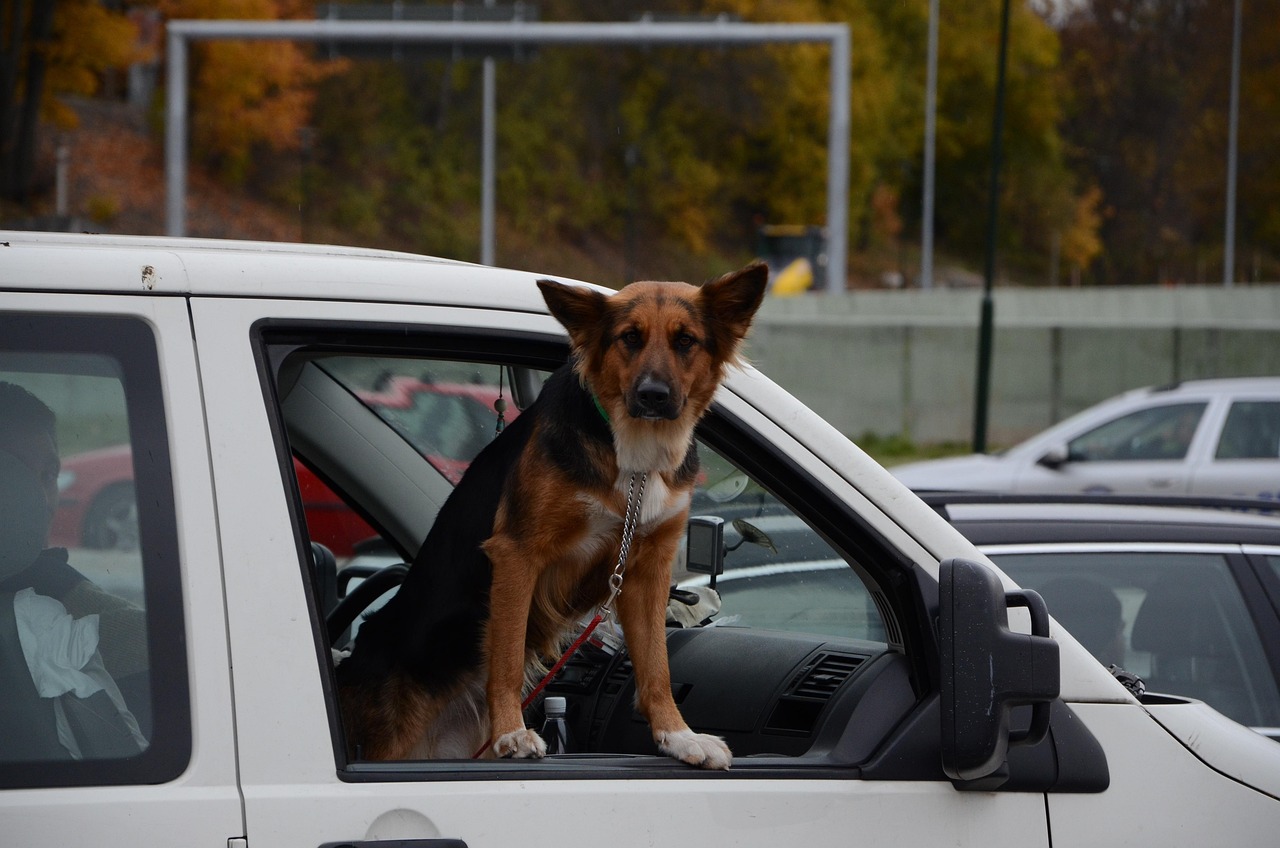
Selecting the appropriate equipment is essential for safe and comfortable car travel with your dog. Depending on your dog’s size and temperament, options include crates, dog seat belts, or harnesses. When choosing a crate, ensure it is well-ventilated and secure, providing your dog with enough space to stand, turn around, and lie down comfortably. Crates are also beneficial for anxious dogs as they offer a sense of security during travel. Conversely, if you opt for a restraint harness or seat belt, make sure it’s designed specifically for dogs. A well-fitted safety harness can prevent injuries during sudden stops or accidents, directly affecting your pet’s well-being. It’s also advisable to introduce your dog to whatever you select well before your trip. This helps them recognize the equipment positively, making them more likely to accept it without distress. Additionally, consider using a cover for your vehicle’s seats to prevent hair and potential mess from impacting your travel experience. Finally, keep your car well-ventilated to enhance overall comfort during long journeys.
Monitoring the temperature inside the vehicle is equally important, especially during warm seasons. Dogs can overheat quickly inside a car, leading to serious health risks, including heatstroke. Always ensure that your dog is comfortable by checking whether they have access to water and adequate ventilation. If traveling during hot weather, try to take breaks often and allow time for your dog to stretch and relieve themselves. This will not only keep them comfortable but can also reduce anxiety levels. If your dog seems restless, determine if they need to stretch their legs or take a quick bathroom break. Keeping a travel health kit handy is advisable, ensuring you’re prepared in case of emergencies. Items can include water, snacks, waste bags, and basic first-aid supplies. Having these necessities improves your readiness for car trips and provides peace of mind amid unexpected situations. Planning ahead is essential for reducing the stress associated with car travel. Proactive measures create more enjoyable experiences for both you and your furry companion, ultimately enhancing your bond.
Adjusting Food and Feeding Times
Adjusting your dog’s feeding schedule can play a pivotal role in preventing car sickness. It’s typically recommended to avoid feeding your dog a large meal right before traveling. Instead, provide a light snack a few hours beforehand. This will give your dog’s system enough time to digest before hitting the road, reducing the chances of nausea. Additionally, experiment with the type of food being fed. Some dogs may respond better to certain brands or types of food when traveling, so consulting with your vet about options could also be beneficial. Staying hydrated is crucial as well; encourage them to drink water before and during your trip to minimize dehydration. However, just like solid food, it’s important to manage water intake to prevent over-drinking as it can also lead to discomfort during travel. Consider utilizing travel bowls that can be easily filled during stops. Making these adjustments can ensure that your dog remains comfortable on long car rides and associate traveling with positive experiences rather than distressing ones. Learning your dog’s preferences requires time but pays off significantly in maintaining their well-being.
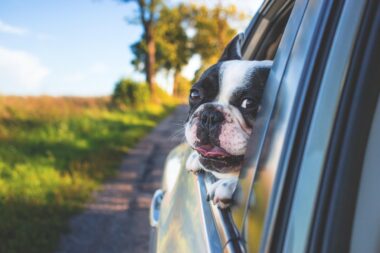
Many dogs respond well to calming techniques during car rides. For anxious or nervous dogs, providing familiarity during travel is important. Including their favorite blanket or toy can lessen anxiety associated with the journey, providing comfort throughout the ride. Engaging with them while driving also helps; gentle petting or playing calming music can soothe some dogs. There are even specialized calming products available, such as pheromone sprays or calming collars, designed specifically for pets. These products can help create a more peaceful environment, which can reduce symptoms of motion sickness. Making regular stops to let your dog stretch and relieve themselves is vital for keeping them comfortable. Additionally, not allowing your dog to stick their head out of the window is crucial for their safety and health. While it seems enjoyable to them, it exposes them to various dangers, including debris and intense winds that can lead to further stress or injury. Consider playing soft music instead, as some studies suggest it can calm dogs and enhance their travel experience, ensuring a much more pleasant time together.
Seeking Professional Advice
Should your dog continue to experience car sickness despite trying various methods, consulting with your veterinarian is advisable. They can provide personalized recommendations or assess your dog for underlying health concerns that may be contributing to the problem. Some dogs may have specific conditions that necessitate tailored treatment or medication to ensure their comfort during travel. Exploring the options available with a professional will also give you a better perspective on managing those challenging symptoms. If medication is prescribed, make sure to follow the specified dosage and timing for effectiveness. Your vet may suggest anti-nausea medications specifically designed for dogs, which can be particularly useful on longer trips. If available, ask about natural remedies or dietary changes that might assist in reducing anxiety in your dog. Understanding that every dog is unique means customizing the approach to their specific needs. Patience is key; finding the right balance will enhance your travel experiences together. As you work together with your vet, actively ensuring your dog’s comfort during car rides will contribute to creating cherished memories.
In conclusion, preventing car sickness in dogs entails a combination of comfort, preparation, and professional guidance. Every dog is different; therefore, methods that work for one might not prove effective for another. Begin by introducing your dog to the car slowly, arming them with a calming environment, utilizing equipment that secures their comfort, and adjusting feeding schedules accordingly. Recognizing the signs of car sickness and taking proactive measures will significantly improve their travel experience, along with yours. Remember to prioritize regular breaks during longer journeys, keeping your furry friend hydrated and happy. Additionally, exploring calming products or professional advice will elevate your overall experience, making traveling less stressful for both you and your canine companion. It is essential to remain patient and persistent in these efforts, leading to a rewarding outcome where your dog associates car rides with fun adventures rather than discomfort. Ultimately, the goal is to create memorable journeys that strengthen your bond with your pet, allowing them to enjoy every ride. Following these tips can transform the way your dog perceives traveling, fostering a lifetime of joyful excursions. Share your experiences and insights with the dog community, as every story can help another pet owner experiencing similar concerns.