
The Importance of Grooming in Cat Maternal Behavior
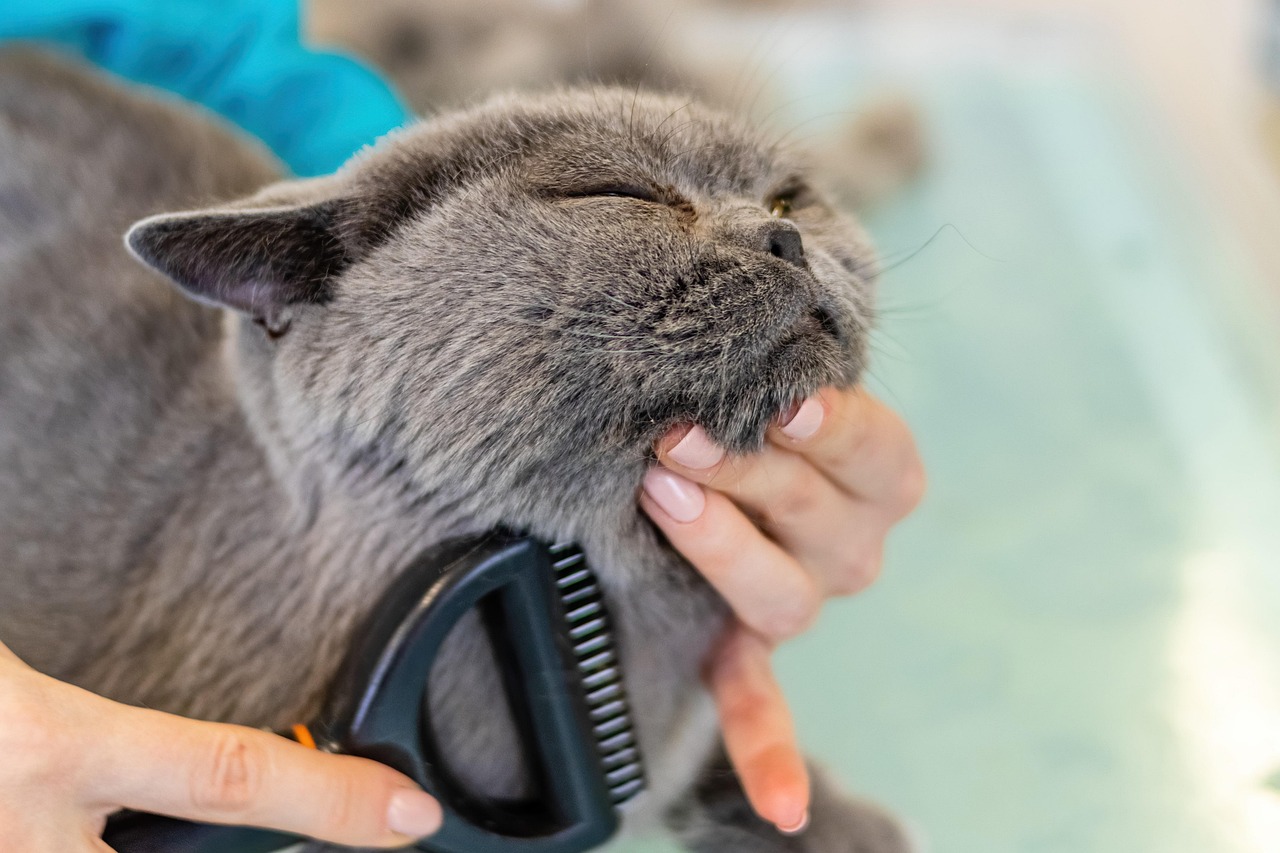
Grooming is a fundamental behavior observed in cats, especially in maternal contexts. This behavior serves various crucial functions for both the mother cat and her kittens. Primarily, grooming helps to establish a bond between the mother and her offspring. By licking her kittens, the mother cat stimulates their circulation and digestion, promoting essential health early in life. Additionally, grooming is a crucial hygiene practice, removing dirt and parasites that can harm the kittens. This ensures a clean environment for them, vital for their growth and development. Moreover, grooming can help a kitten regulate its body temperature, a critical factor as they are born blind and deaf, relying solely on their mother’s care for survival. In essence, grooming acts as a multi-functional behavior in a mother cat’s nurturing approach. The tactile stimulation and warmth provided during grooming are comforting for the kittens. Therefore, understanding this simplistic yet significant behavior can enhance the appreciation of maternal instincts in cats and the critical role that grooming plays in their nurturing process within the feline family environment.
Grooming also serves a social function among cats, fostering further bonding. When kittens observe their mother engaging in grooming, they learn this essential behavior, which they will later exhibit as adults. This learned behavior can lead to increased grooming among the social groups of adult cats. Additionally, when cats live together, grooming contributes to the establishment of social hierarchies, reinforcing bonds and reducing stress within the group. The act of grooming can also be a form of communication among cats; it helps convey reassurance and safety, essential for social cohesion. In this context, a mother cat’s grooming of her kittens becomes a foundational component of their socialization processes. Kittens that receive adequate grooming are more likely to develop into well-adjusted adults, showcasing proper social behaviors. In conclusion, grooming is not merely a hygiene activity; it encapsulates a range of behavioral attributes contributing to a mother’s nurturing approach and the development of her kittens as they mature into healthy, socially adept cats.
Furthermore, maternal grooming extends beyond immediate hygiene and health benefits. It also plays a significant role in emotional development for kittens. During grooming sessions, the physical touch provides comfort and warmth, solidifying the emotional bond between mother and offspring. Kittens that experience nurturing grooming behaviors are more likely to feel secure and less anxious compared to those who do not. This emotional stability is crucial as they transition into more independent members of their species. The connection formed during these grooming interactions can also influence their behavior later in life, affecting how they curate relationships with other cats. Cats that don’t receive sufficient grooming may struggle with stress and anxiety, impacting their interactions with other felines and their adaptability in various environments. Consequently, nurturing through grooming can be seen as a significant factor influencing behavioral outcomes in adult cats. By fostering positive emotional experiences through grooming, a mother cat effectively shapes her kittens’ future interactions, ensuring that they grow into emotionally balanced adults capable of forming healthy relationships.
The Role of Grooming in Nursing
Additionally, grooming significantly relates to nursing behaviors and milk production in mother cats. Active grooming stimulates the mammary glands, promoting milk flow, which ensures that the kittens receive adequate nutrition. Kittens instinctively move towards their mother’s body in response to grooming behaviors, prompting them to nurse effectively. This reciprocal grooming and nursing practice helps kittens thrive in their crucial early weeks. The frequency and intensity of grooming can directly impact the health and development of the nursing relationship. If a mother cat experiences stress or is unable to groom adequately, it may negatively affect milk production, leading to inadequate nourishment for her kittens. This illustrates the interconnectedness of grooming, nursing, and overall maternal health. The nurturing atmosphere created through grooming fosters an environment where kittens can flourish. Thus, the implications of grooming within the maternal context extend to the physiological aspects of kitten care, representing the essential roles that grooming plays in the nursing process. Understanding these dynamics enriches our perception of maternal behaviors in felines and promotes better awareness of a healthy cat-rearing environment.
Moreover, the significance of grooming in maternal behavior emphasizes its evolutionary advantages as well. Cats that exhibit strong grooming patterns are more likely to succeed in raising healthy offspring, thus passing on their genes. The selection process favors mother cats that can provide this form of care since it directly influences the survival rates of kittens. This relationship between grooming and offspring survival highlights how essential such behaviors are to the species’ continuation. In multi-cat environments, mothers that groom their young more vigorously may establish stronger bonds with their kittens and improve their chances of breeding sustainably. Additionally, fostering kittens with adequate grooming supports the establishment of confidence and adaptability outside their immediate environment. This innate drive to groom is thus ingrained deeply within feline maternal instincts. The more effectively a mother cat grooms her kittens, the better prepared those kittens become for independent life. Understanding the evolutionary impact of grooming as a maternal trait offers more profound insights into cat behavior, reinforcing the importance of such seemingly simple actions in ensuring feline survival.
The emotional implications of grooming behaviors apply not only to the mother-kitten relationship but influence how kittens interact with humans as well. Kittens exposed to nurturing grooming are more likely to embrace human companionship later in life. They often display less anxiety and stress when interacting with people, reflecting their earlier experiences of comfort and bonding. This can result in well-adjusted adult cats that thrive in households, easily forming connections with their human families. The maternal grooming experience lays the groundwork for various positive social behaviors encountered throughout a cat’s life. Thus, understanding maternal behaviors, particularly grooming, offers valuable insights into fostering a healthy relationship between cats and their owners. By recognizing the lasting impact of early maternal care, cat owners can create an environment that supports their pets’ emotional and social well-being. The emotional intelligence exhibited by cats shaped during nurturing periods emphasizes the long-term benefits associated with proper maternal behaviors, highlighting the significance of early experiences. Undoubtedly, the influences of grooming extend beyond immediate nutrition and health, setting the pace for lifelong interactions.
Conclusion
In summation, the role of grooming in cat maternal behavior is both multifaceted and crucial. From establishing emotional bonds to influencing socialization, grooming is an essential behavior that significantly impacts the overall health and development of kittens. It promotes not just physical hygiene but also emotional well-being, highlighting its importance in the maternal nurturing process. The long-term effects of early grooming experiences extend beyond the initial stages of life, influencing future interactions with both humans and other cats. Equally crucial is the understanding that enhancing maternal behaviors such as grooming can lead to healthier and happier feline companions. Recognizing the intricacies of grooming and its repercussions encourages cat owners and enthusiasts to create supportive environments for maternal cats and their kittens. By fostering an appreciation for these behaviors, we can better appreciate the bonds shared between a mother cat and her kittens, ultimately enhancing our relationship with these wonderful animals. The importance of grooming in cat maternal behavior is an area deserving comprehensive study, ensuring that we continue to nurture the unique feline connections that enhance our lives.
In conclusion, the nurturing behaviors exhibited by mother cats, particularly grooming, are vital for the healthy development of their kittens. Understanding these behaviors not only contributes to better pet ownership but also enhances overall appreciation for the complexities of feline behaviors in general.