
The Science Behind Dog Socialization in Group Settings
Understanding dog socialization is crucial for pet owners and trainers alike. Socialization refers to the process through which dogs learn to interact with other dogs and humans effectively. In group training sessions, this phenomenon takes on heightened importance. Puppies and adult dogs experience various social scenarios, allowing them to develop crucial social skills. Consistent exposure to different environments, sounds, and people leads to well-adjusted pets. Positive experiences in group settings can significantly reduce behavioral issues and anxiety. It’s essential to create a structured yet relaxed environment during these sessions. The factors at play include the size of the group, the diversity of dogs present, and the guidance provided by the trainer. All contribute to the effectiveness of the socialization process. Additionally, trainers should emphasize positive reinforcement, which fosters a healthy learning atmosphere. Observing body language is another key part of understanding interactions between dogs. Using methods rooted in behavioral science enhances the training process. As providing feedback effectively is vital, trainers must be well-informed about dog behaviors to facilitate successful socialization and assist dogs in developing optimal social skills effectively.
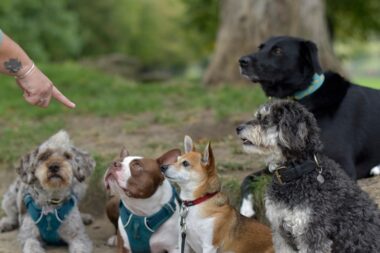
Group training sessions consist of varied activities designed to promote socialization among participating dogs. These activities may include playtime, agility exercises, and obedience training. Each session offers a unique opportunity for dogs to learn boundaries, develop confidence, and express their individual personalities. It’s essential to ensure that each dog feels safe and comfortable to facilitate positive interactions. Incorporating games can encourage spirited engagement between dogs, allowing them to practice communication skills. Trainers should observe closely to ensure all interactions remain positive and to intervene if any aggressive behaviors arise. Through a series of structured activities, trainers assist dogs in understanding the social cues of their peers. Dogs learn to interpret body language and vocalizations more effectively. A focus on play fosters friendships and helps alleviate fears. It is equally important for owners to participate, as their presence offers reassurance to their pets. This engagement also allows owners to observe their dog’s reactions and learn effective strategies for socialization outside the group setting. The combination of play and instruction is foundational to ensuring that dogs become well-rounded, sociable participants in their communities, bolstering their confidence and comfort in various social situations.
Benefits of Group Training Sessions
Group training sessions cultivate a supportive environment for dogs to learn from one another. Observing peers can greatly influence a dog’s learning experience. Dogs that are hesitant or reserved often benefit from watching their more assertive classmates in action. This peer learning encourages confidence and helps shy dogs engage more proactively with their environment. Moreover, socialization in groups teaches dogs appropriate play behaviors and helps them manage excitement levels. Trainers often use scenarios that mimic real-world interactions, allowing dogs to face different stimuli they will encounter in life. By sharing space with multiple dogs, the risk of developing aggression or fearfulness decreases over time. Such experiences teach dogs how to properly negotiate their boundaries while appreciating others. Importantly, socialization through group sessions also strengthens the bond between dogs and their owners. Owners learn how to communicate effectively, responding appropriately to their dog’s behaviors in a social context, thus mastering the art of social control. Furthermore, participatory training allows owners to network with other dog lovers, creating a community of support beyond training sessions. These connections prove invaluable for sharing tips, experiences, and fostering lasting friendships among dog enthusiasts.
In addition to the inherent educational benefits, group training sessions can substantially enhance a dog’s emotional well-being. Regularly interacting with other canines provides essential mental stimulation that combats boredom and anxiety. Many dogs experience separation anxiety or develop behavioral issues when left alone for extended periods. Group settings alleviate this by offering consistent opportunities for positive interactions. As dogs learn to play, they also become better equipped to handle potential stressors when out and about in public spaces. Moreover, socialization through groups solidifies behavioral conditioning. Dogs exposed to a variety of situations during training have fewer tendencies toward fear and stress in new environments. The experiences gained during these sessions enable a smoother transition into adulthood. Just like humans, dogs thrive in a supportive and engaging environment. Well-socialized dogs often display increased adaptability, emotional stability, and friendliness towards strangers, resulting in successful integration into their families and communities. Owners who prioritize group training can foster a more resilient disposition in their dogs. This leads to lasting benefits, as the consequences of early positive social experiences can influence an adult dog’s behavior throughout its life. Investing in group socialization pays dividends down the road.
Techniques for Effective Group Socialization
Implementing effective techniques during group training sessions is crucial for optimizing dog socialization outcomes. First, trainers must prioritize safety by screening all participating dogs for behavioral issues before they join the group. Ensuring that dogs are vaccinated and well-behaved paves the way for a healthier environment. Next, establishing a clear set of rules is important for maintaining order during sessions. For instance, trainers should encourage appropriate leash handling and respectful greetings between dogs. It’s also essential to have a variety of activities planned to accommodate all energy levels and temperaments. Rotating activities keeps the group engaged and mentally stimulated. Additionally, trainers should employ breaking down tasks into manageable segments. This strategy helps dogs build skills gradually without feeling overwhelmed. Frequent breaks allow both dogs and owners to evaluate their experiences, ensuring that positive associations remain strong. Moreover, integrating short socialization intervals throughout the session can reinforce positive interactions without excessive stress. Lastly, encouraging owner involvement fosters teamwork and strengthens the bond between dog and owner. When owners are engaged, dogs respond more positively to guidance, ultimately making these invaluable group sessions even more productive and enjoyable.
Another effective method involves utilizing positive reinforcement techniques during group training sessions. This encourages dogs to engage with one another while reinforcing desired behaviors. When a dog interacts positively with its peers, it is essential to praise and reward the behavior with treats or affection. This feedback not only reinforces good social skills but also boosts a dog’s confidence. Additionally, trainers should take note of each dog’s unique temperament, adjusting their approach accordingly. Tailoring these training strategies ensures that each dog participates in a manner that suits its personality. Pairing dogs with compatible temperaments during playtime can bring about supportive dynamics, allowing them to learn from each other at their own pace. Regular monitoring by trainers ensures that interactions remain safe and productive. Conflicts can arise, and trainers should intervene carefully to redirect negative behaviors. Furthermore, facilitating supervised play sessions with structured breaks reinforces positive experiences. Introducing training exercises during these breaks keeps dogs focused on learning while allowing for social engagement. By creating an environment filled with encouragement and learning, group training sessions set the groundwork for well-adjusted and empathetic dogs that thrive socially.
Measuring Success in Socialization
Tracking progress in dog socialization offers insights that can refine training methods. Observational measures help trainers identify how well individual dogs are adapting to the group environment. Assessing factors such as engagement levels, confidence, and interactions with peers provides crucial feedback. By maintaining detailed records of each session, trainers can identify patterns and tailor future training sessions accordingly. For example, noting any instances of hesitation or aggression can guide intervention strategies. Additionally, trainers and owners can utilize questionnaires related to behavioral changes observed at home, providing a holistic perspective on progress. As owners report improvements in their dog’s behavior toward unfamiliar situations or individuals, it reinforces the success of socialization efforts. Also, celebrating small victories during training can boost morale for both dogs and their owners. By acknowledging advancements such as improved responses during group play or increased comfort around unfamiliar dogs, owners can feel satisfied with their dedication. Finally, maintaining open communication regarding setbacks or concerns allows collective problem-solving. This ongoing dialogue leads to shared solutions and continuous evolution in socialization strategies, ultimately benefitting the well-being of all dogs involved in group training sessions.
In conclusion, the scientific aspects of dog socialization in group settings reveal multiple benefits for our furry companions. Socialization experiences in controlled environments foster essential skills while encouraging social interaction among dogs and humans. Group training sessions offer a unique opportunity for both dogs and their owners to engage in productive learning experiences. By adhering to best practices and employing effective techniques, trainers can present valuable socialization opportunities tailored to individual pets. Each session strengthens not only the learning process but also helps nurture bonds between dogs and their owners. Successful socialization translates to well-balanced dogs capable of thriving in diverse social environments. Observations through progress tracking facilitate continuous improvement for owners and trainers alike, maximizing the potential of each session. As we continue to understand the critical role of socialization, investing time and effort into these sessions becomes even more vital. Teaching our dogs how to interact positively establishes the foundation for their healthy development. Ultimately, embracing group training sessions ensures that our dogs grow into well-mannered, confident members of our families and communities, enriching our lives alongside them. Let’s prioritize proper dog socialization in group settings to cultivate loyal, happy companions.